
University Triggered My Imposter Syndrome
And I’m still learning to live with it.

When I left school I had the world at my feet.
I was a confident, high-achieving, and ambitious 18-year-old who was ready to embark on a new chapter that my whole life until that point had been building up to: university.
Neither of my parents went to university, so it was never something I was forced to do, but for as long as I can remember it was always assumed I would go. I was a bright kid who excelled academically and in extra-curricular activities, so it just seemed like a natural step.
I also didn’t know what I wanted to do for a job when I left school, so the prospect of delaying such grown-up decisions for four years while I partied and enjoyed the newfound freedoms of adulthood seemed an attractive option.
I enrolled on a dual honors course to study English Literature and German — a classic “I have no idea what I’m doing with my life” degree — at the University of Warwick and counted down the days until I would leave home and start my new adventure.
When my parents dropped me off at the university campus and helped me move into my new student digs, I was filled with excitement and anticipation at what lay ahead.
An unexpected reality check
I quickly settled into life at university, making friends with like-minded people, trying out new sports and activities, and partying as much as you’d expect an 18-year-old first-year to do. Living away from home for the first time, I was loving the freedom of adulthood.
But something inside me had changed.
The academic environment was a new frontier, entirely unlike anything I’d encountered before. Early in my first year, I remember sitting in a small seminar discussing Homer’s The Iliad. Despite my familiarity with the fall of Troy, I felt like I could barely scratch the surface of the story’s depth, while all around me my classmates were navigating the epic tale’s complexity with such ease.
How were they all so eloquent?
How do they already have such an extensive knowledge of the literary canon?
What world did these people come from?
In school, I was always the first to raise my hand, eager to tackle any question. But here I found my hands glued to the desk, my voice silenced by anxiety.
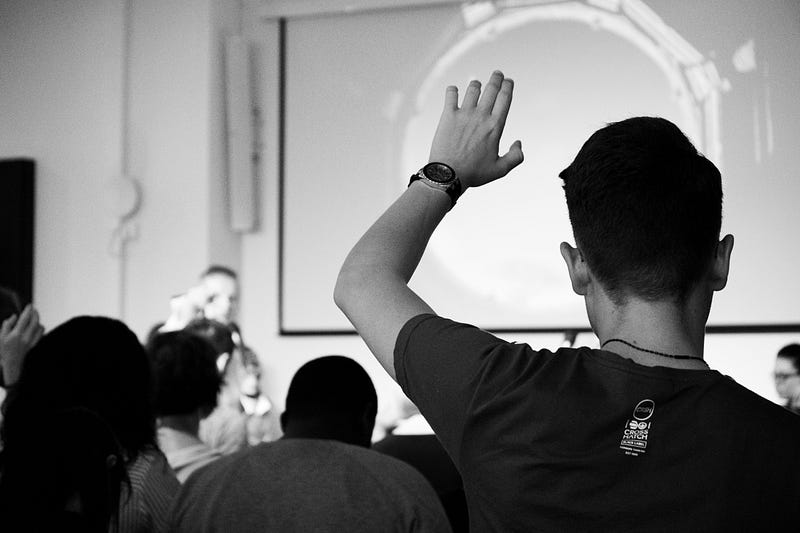
I felt like I didn’t belong in this new world and I was terrified of sharing my thoughts in case my ideas were ridiculed and I was exposed as a fraud.
In hindsight, this was a naive mindset to have, because when it comes to the arts you can argue almost any point of view if you do so with enough conviction!
Without knowing it at the time, I was suffering from the imposter syndrome.
Understanding Imposter Syndrome
You’ve probably heard of it.
In fact, I’d be shocked if you hadn’t experienced it at some stage in your life.

Imposter syndrome is a psychological phenomenon characterized by persistent doubt in one’s abilities and the fear of being exposed as a ‘fraud.’ This often afflicts high achievers who are unable to internalize their success and instead attribute it to factors such as luck or timing rather than their own skills and hard work.
Nowadays, imposter syndrome is a widely discussed and normalized issue, and there is an abundance of resources and tools available to help people recognize the symptoms and develop coping strategies.
But in 2010, when I first started experiencing these feelings, nobody was talking about it and I had no idea that it was having such a big impact on my life.
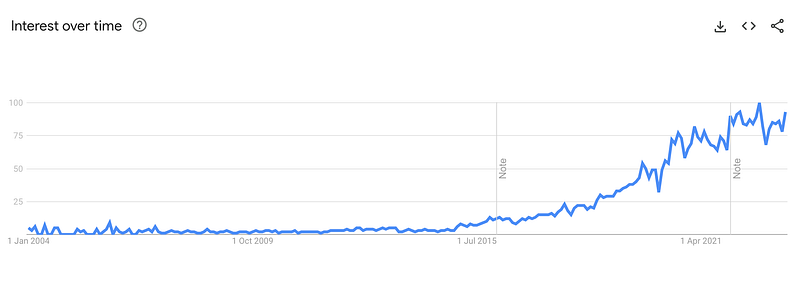
Imposter syndrome accompanied me throughout my four years at university, but the results and feedback I was getting from my professors didn’t chime with the persistent feelings of uncertainty.
Every essay submitted or exam sat triggered an anxious wait for the moment I would finally be exposed as a fraud. I was convinced that sooner or later I would be pulled in to explain why my work wasn’t up to scratch, but that never happened.
And when the opposite came true and I was praised for delivering quality work, I told myself that it was a fluke.

I went on to graduate with the highest possible grade, which gave me great satisfaction at the time and, at least temporarily, alleviated some of my feelings of inadequacy.
But soon I would be entering the workplace and it did not take long for familiar feelings to resurface.
How to live with imposter syndrome
Almost a decade has passed since I graduated and I still grapple with imposter syndrome regularly in many areas of my life — even when writing on Medium!
It is only now after years of therapy that I am finally beginning to understand where my imposter syndrome comes from and how prevalent it is these days. I am learning how to acknowledge and live with the symptoms — both physical and mental — rather than try and simply bury them under the carpet.
If you too are struggling with imposter syndrome, here are a few strategies I have found helpful:
The bigger picture: Whenever you feel like a fraud, remind yourself of all the evidence to the contrary. Consider the accomplishments, hard work, and successes that led to where you are. You didn’t just land there by accident or luck; you’re there because of your capabilities and determination.
Open up: There is no shame in having doubt or feeling vulnerable. By sharing your feelings with others, you will realize that imposter syndrome is a common experience most people can relate to. Normalizing your feelings can help reduce their negative impact.
Practice self-compassion: When something goes wrong, it’s easy to fall into the trap of self-criticism and assume your imposter syndrome was right all along. Be kind to yourself. Acknowledge that everyone makes mistakes and has areas to improve. It’s part of being human and doesn’t make you a fraud.
Use it as motivation: Instead of treating imposter syndrome as a limiting belief, recognize it as a sign that you are pushing yourself outside of your comfort zone. It is an opportunity for growth, rather than a sign of weakness.
Fake it ‘till you make it: We’ve all heard this expression, but how many of us actually do it? One of the biggest lessons I’ve learned in the workplace is that most people aren’t prepared for the jobs they do when they first start, but they pick it up with experience. Indeed, this is a good metaphor for life. We don’t get a dress rehearsal, we just have to go out on stage and improvise until it feels right.

It’s important to recognize that each journey with imposter syndrome is unique and personal. The strategies that have been effective for me might not resonate as strongly with you, but I hope these insights offer a solid starting point.
If you’ve struggled with imposter syndrome and discovered your own coping mechanisms, I’d love to hear about your experiences in the comments!
Have you enjoyed my content on Medium? For the price of a cup of coffee, just $5 per month, you can gain unlimited access to more thought-provoking stories while supporting me and all the great writers on this platform. Win-win!


