
Unhealed Emotional Wounds: The Silent Struggles Within
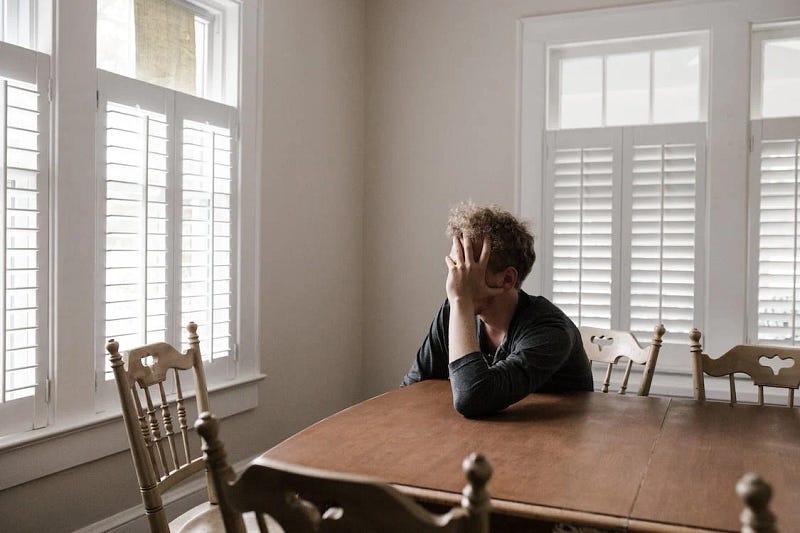
Emotional wounds, like physical injuries, require time and care to heal.
These wounds can stem from various sources — be it friendships, family bonds, romantic entanglements, or even minor hiccups of daily existence. The intensity of these traumatic experiences can vary from person to person.
Some wounds leave lasting imprints that refuse to heal, regardless of the passage of time. While we may choose to evade or overlook these wounds, it’s important to understand that they do not vanish as a result.
From a psychological perspective, the following six behavioral characteristics might be indicative of unhealed emotional wounds:
- Persistent Negative Emotions: If you find yourself frequently experiencing strong negative emotions such as anger, sadness, or fear, it might indicate unresolved emotional pain. These emotions can be triggered by past experiences and can become a barrier to your happiness and inner peace.
- Recurring Destructive Patterns: Unresolved emotional wounds often lead to recurring destructive patterns in our behavior and relationships. It’s common to see the same issues resurface in your life, causing problems and distress.
- Avoidance and Suppression: If you actively avoid discussing or thinking about certain events or topics because they make you uncomfortable, it’s a sign of unhealed emotional wounds. Suppressing your emotions can hinder the healing process.
- Low Self-Esteem and Self-Doubt: Unresolved emotional pain can erode your self-esteem and self-confidence. You may find it difficult to believe in your abilities or worth, leading to a cycle of self-doubt and negative self-talk.
- Intense Sensitivity: Unhealed emotional wounds can make you hypersensitive to certain triggers, causing exaggerated reactions to situations that remind you of past pain. This heightened sensitivity can strain relationships and hinder personal growth.
- Inability to Forgive: Holding onto grudges and being unable to forgive past wrongs, whether towards others or yourself, is a common characteristic of unhealed emotional wounds. This can keep you anchored to the pain of the past.
To address these wounds, the best advice is to face them, accept them, and work towards healing. Ignoring or evading them won’t help; they’ll linger indefinitely. Remember, you don’t have to deal with this alone. Often, reaching out to friends or seeking professional help, such as a therapist or counselor, can be immensely beneficial. Taking that step is not easy, but the person who emerges on the other side is bound to be stronger, more beautiful, and refreshed.
That’s all for today, thank you for reading.