
Unfolding the Mysteries of Postbiotics: The Latest Research in Gut Health.
- But, why do I need to worry about Gut Health (aka our second brain)?
Picture this — your gut is like the ultimate party host at the shindig, that is your body. It is responsible for a lot more than just processing that late-night pizza you guiltily ordered. Your gut orchestrates a symphony of bacteria, also known as your gut microbiome, which has trillions of bacteria attending!
Now, a good party host ensures every guest is having a great time. Similarly, your gut influences everything from your mood to your immune system, even your ability to sleep off that pizza.
So, if you are feeling out of sorts, it might be your gut grumbling for a little extra care.
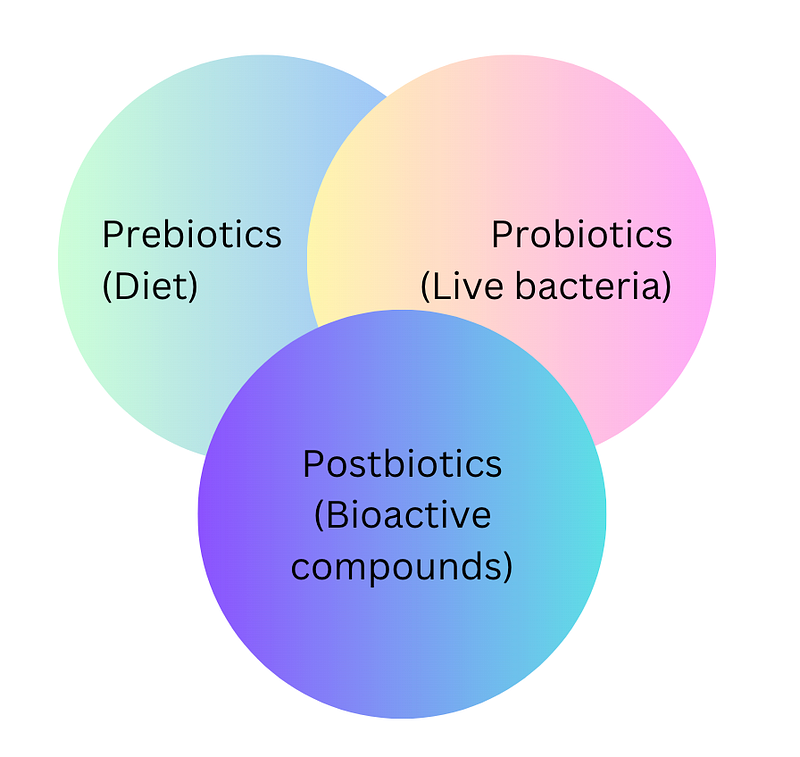
2. What are Postbiotics? How are Prebiotics, Probiotics and Postbiotics connected?
Postbiotics are bioactive compounds that are the by-products of microbial fermentation in the gut. Unlike prebiotics and probiotics that feed and promote live bacteria, postbiotics are the beneficial end-products that these bacteria produce.
Postbiotics, the unsung heroes of the “-biotics” family, are gaining scientific traction for their potential health benefits. While the field of gut health research is predominantly focused on prebiotics and probiotics, the potential health implications of postbiotics are now sparking interest.
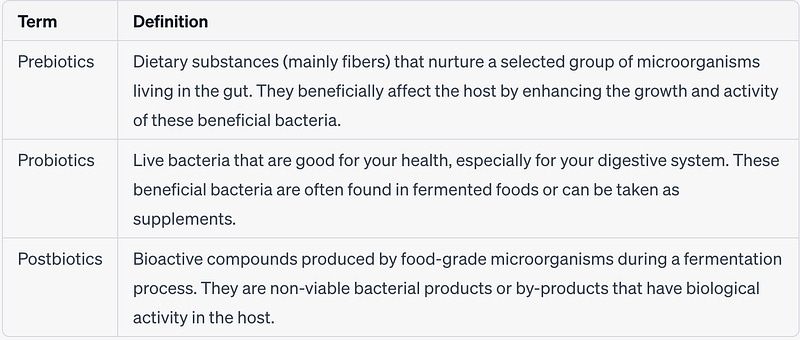
Postbiotics include organic acids, enzymes, vitamins, and other metabolites that may positively affect our health.
3. What are Short-chain fatty acids (SCFAs)?
SCFAs play an essential role in maintaining your health, prevention and treatment of the metabolic syndrome, bowel disorders, and certain types of cancers.
Short-chain fatty acids (SCFAs) are fatty acids with fewer than six carbon atoms. They are produced when the good bacteria in your gut break down dietary fiber.
4. What is Butyrate. How does it play a critical role in gut health?
Butyrate, also known as butyric acid, is a short-chain fatty acid that plays a critical role in gut health. It is primarily produced when the beneficial bacteria in our gut ferment dietary fibers. Here are the top five benefits of butyrate:

- Gut Health: Butyrate is the primary energy source for colon cells, promoting their health and integrity. It contributes to maintaining the gut barrier function and can help reduce inflammation in the gut, which can be beneficial for individuals with inflammatory bowel diseases.
- Anti-Inflammatory Properties: Beyond the gut, butyrate has systemic anti-inflammatory effects. It inhibits the production of pro-inflammatory cytokines, potentially helping in conditions like heart disease, obesity, and autoimmune diseases.
- Cancer Prevention: Some research suggests that butyrate may have anti-carcinogenic properties, particularly in colon cancer. It appears to promote the self-destruction of cancer cells and inhibit their growth.
- Weight Management: Butyrate can aid in weight management by promoting satiety and reducing food intake. It also enhances the production of hormones like leptin and peptide YY, which regulate hunger and fullness.
- Brain Health: Recent research has suggested that butyrate could have a neuroprotective role. It may help improve memory and learning, and potentially has a role in preventing neurodegenerative diseases like Alzheimer’s.
These promising benefits highlight the importance of a diet rich in fiber, which promotes the production of beneficial compounds like butyrate in the gut.
5. Recent Research on Postbiotics — Recent research is beginning to illuminate the true potential of these compounds.
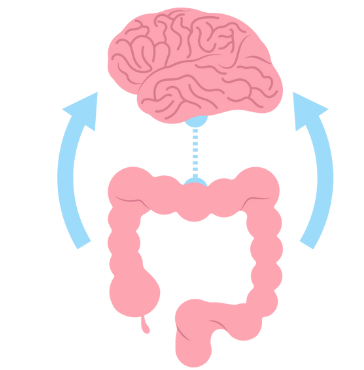
- Gut-brain axis: One study conducted in 2023 found that certain postbiotic metabolites can modulate the gut-brain axis, having a significant impact on the mental health of the subjects involved.
- Heart Health: A research revealed that postbiotics can reduce inflammation, a key contributor to cardiovascular disease. Postbiotic compounds were shown to lower the levels of C-reactive protein (CRP), a critical marker of inflammation in the body.
- Immune Health: Another research published in the Journal of Gastroenterology demonstrated that postbiotics could play a significant role in supporting immune health. It was found that these bioactive compounds may enhance the body’s immune responses and protect against pathogenic bacteria.
A fascinating avenue of postbiotic research is its application in weight management and metabolic disorders. Preliminary research indicates that certain postbiotics can modulate the body’s metabolism and potentially contribute to the prevention or treatment of conditions like obesity and type 2 diabetes.
However, while these findings are promising, it is essential to acknowledge that the field of postbiotics is still in its infancy, with much to explore and understand. The majority of studies conducted are preclinical, and large-scale, randomized clinical trials in humans are needed to substantiate these findings.
6. What can I do to increase Postbiotics in my body?
Increasing postbiotics in your body largely involves promoting a healthy gut environment that supports the production of these beneficial by-products. Here are some strategies to achieve this:


i) Consume Fermented Foods: Postbiotics are produced during the fermentation process, so consuming fermented foods like yogurt, sauerkraut, kimchi, kefir, kombucha, and certain types of cheese can help boost your postbiotic levels.
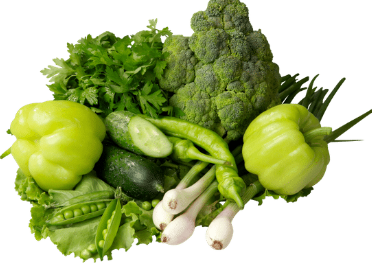
ii) Eat a Fiber-rich Diet: Fiber feeds your gut bacteria, helping them thrive and produce more postbiotics. Incorporate foods like whole grains, fruits, vegetables, legumes, and nuts into your diet.
iii) Consider Postbiotic Supplements: If you’re having trouble getting enough postbiotics through your diet, you may consider postbiotic supplements. They’re available in various forms like capsules, powders, and liquid.
iv) Maintain a Healthy Lifestyle: Factors like stress, lack of sleep, and physical inactivity can disrupt your gut microbiome. Ensure you’re getting enough rest, exercising regularly, and managing stress for a healthier gut.
v) Avoid Harmful Substances: Substances like alcohol, tobacco, and unnecessary antibiotics can disrupt your gut health and hinder the production of postbiotics.
Remember, before making any significant changes to your diet or lifestyle, especially if you’re considering taking supplements, it’s always best to consult with a healthcare provider or dietitian. They can provide personalized advice based on your individual health needs.
7. Conclusion
The triad of prebiotics, probiotics, and postbiotics forms the foundation of a healthy gut microbiome. Each component plays a unique role, but the intersection of these three is where we may find the key to unlocking optimal gut health and, consequently, enhancing overall human health.
— — — — — — — — — — — — — — — — — — — — — — — — — — — — — — — — — — — — -
Thank you for reading. Your comments and suggestions are greatly appreciated.
Love reading? Join Medium for a very low monthly price of $5 only and get access to wealth of information.
— — — — — — — — — — — — — — — — — — — — — — — — — — — — — — — — — — — — -
MEET JASPER 👋 Create amazing blog posts, art & images, sales emails, SEO content, Facebook ads, web content, captions, video scripts 10X faster with Jasper.AI. Disclosure: This post may contain affiliate links, which means we may receive a commission if you click a link and purchase something that we have recommended. While clicking these links won’t cost you any extra money, they will help us keep this site up and running! Thank you for your support!