
Unexpected changes in the Sun. We must prepare ourselves for trouble.
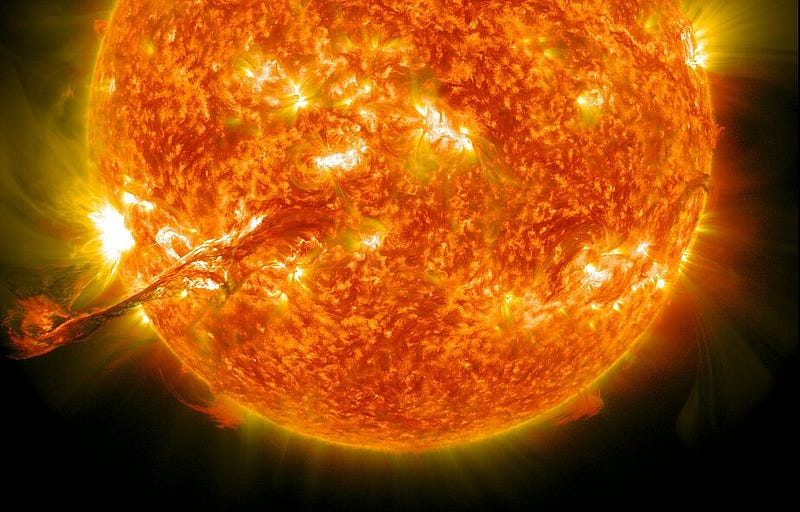
The solar energy expert warned that the Sun could unexpectedly enter the most dangerous phase of the solar cycle. This happened much faster than previous calculations had predicted. Worse, it will be more powerful than originally predicted.
The Sun may already have entered the most active and dangerous phase of its approximately 11-year solar cycle, known as the solar maximum, physicist Scott McIntosh warned.
The Sun has accelerated its cycle McIntosh,
deputy director of the National Center for Atmospheric Research in Colorado, stresses that current observations suggest that the Sun may surprise us sooner than we expected. Together with a team of scientists, he follows developments on the Sun by analyzing data from telescopes and satellites. The Sun is currently in the 25th solar cycle.
Scientists expected this phenomenon in 2025. Meanwhile, everything indicates that the maximum has already begun. Last month, we saw a X-class solar outbreak on the Sun. It’s the most powerful type of explosion on the Sun. One of them was the most powerful outbreak in over six years. The solar maximum is a spectacle that attracts the attention of astronomy enthusiasts around the world, but it is also very dangerous for our civilization. The solar maximum has an impact on our technology, our communications and our satellites. Solar explosions can interfere with GPS signals and cause power and telecommunications network failures. It is a phenomenon that not only fascinates scientists, but also has a real impact on our daily lives. Scott McIntosh emphasizes that we cannot remain passive in the face of these changes. The cooperation of international research teams is crucial to understanding and monitoring the activity of the Sun. Thanks to this, we will be able to be better prepared for possible disturbances and the effects of the solar maximum.
Solar maximum
The solar maximum is the middle period of the solar cycle during which the Sun has the highest number of solar stains. The greater the number of solar spots, the higher the frequency or intensity of solar storms, which include solar outbursts and coronal mass spills (CME).
Unlike Earth’s weather phenomena, such as hurricanes and storms, predicting solar storms is more difficult. Current knowledge and technology allow scientists to make general cosmic weather forecasts, using as a basis the solar cycle maximum and minimum.
In addition, continuous monitoring of solar activity is also important in making meaningful cosmic weather forecasts. In recent years, scientists have recorded numerous geomagnetic storms and radio interruptions that hit the Earth as a result of solar storms.
This leap in solar activity is due to the gradual, increasing confusion of the magnetic field lines of our star. At some point in the sun’s maximum, the magnetic field lines break, causing a complete reversal of the star’s magnetic poles, i.e. a shift in the locations of the south and north poles. Then the sun begins to calm down and eventually reaches the solar minimum, when solar spots and solar storms disappear almost completely before the start of the next cycle.