
Unemployment Benefits are Negatively Affecting Businesses
Good help is hard to find
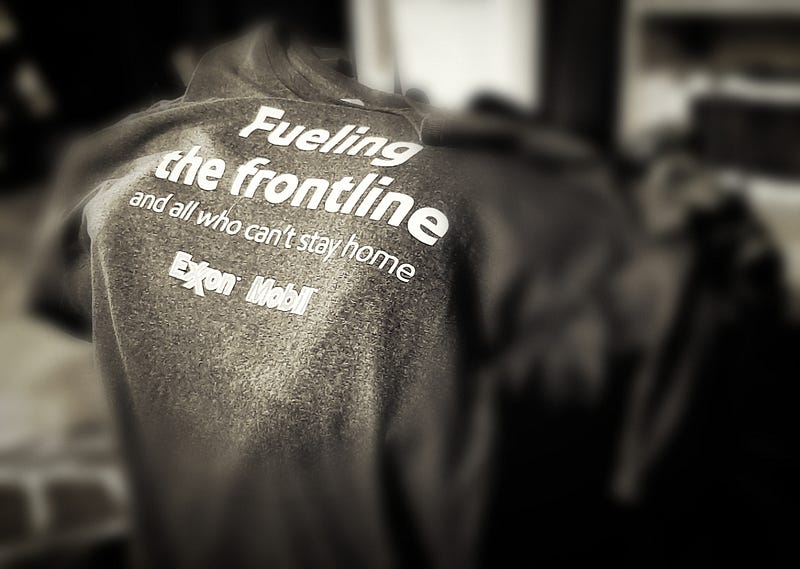
Down the highway that connects my little town to the next city, there sits a small convenience store across the road from the train tracks. It is a staple of daily life for the little community in the area; many of its people stop there every day for gas, cigarettes, pizza, and snacks. They make small talk with the employees and other customers, and yes, they gamble.
I met Jester there a year ago after the pandemic had just hit. He and four other employees worked the evening shift for the store. I learned, as I got to know Jester, that his boss, Danny, owned five other stores in small communities around the area.
When I first met him, he was at the beginning of a 28-day streak with no days off. One of the other evening shift employees quit and Danny had trouble finding a replacement. Over the summer, it became the norm for Jester to work six days a week, commuting between this store and another one in a neighboring town. Even though he had just started a month or so ago, he had become one of the most reliable employees Danny had.
Danny was able to hire new employees throughout the season, but nobody seemed to last very long. And morning shift wasn’t faring much better; Danny was forced to work some of his evening employees on morning shifts. Sometimes Jester’s help for the evening went home early because they had opened the store and, understandably, didn’t want to stay to close it.
Now, as springtime approaches, the situation has only gotten worse.
We hear about how people all over the country are out of work, yet every one of Danny’s stores is suffering for employees. Jester tells me that Danny has a friend who also owns a few stores, and he has his sons working them because it is so difficult to find employees.
The people Danny has hired haven’t worked out very well. They have stolen from the store, picked fights with customers and with other employees, nodded out in the middle of a shift, and seem to have trouble understanding basics like the fact that you cook ten pieces of chicken for a ten piece order.
We hear about how people all over the country are out of work, yet every one of Danny’s stores is suffering for employees.
The majority of the workload in this little store falls on Jester and maybe three other employees; many of the others leave a lot of the cleaning and prep work undone because they know someone else will do it if they don’t.
Why is it so difficult to find employees for a relatively simple job? I’m no professional economist, but there seems to me to be a direct correlation between the increase in unemployment benefits nationally, and Danny’s trouble finding workers in my little neck of the woods.
I won’t deny that there are plenty of people who need unemployment benefits, or that the extra benefits given by the stimulus packages have been a godsend for many. I’m not out to shame anyone for receiving these benefits. But it is an undeniable fact that when unemployment amounts skyrocket, and eligibility is more accessible for more people, employers who desperately need good workers will be left in the lurch.
While Danny’s store is the only direct knowledge I have of this phenomenon, I’m sure that there are plenty of other industries that have been impacted. Who wants to spend all day working in the hot sun, putting roofing on new houses or digging ditches for plumbing, when they can shelter indoors and receive pandemic assistance instead?
People everywhere are out of work, yet I see Now Hiring signs everywhere I go.
All of the thankless minimum wage industries, from fast food to retail to general labor, are seeking workers, at least in my area.
When unemployment amounts skyrocket, and eligibility is more accessible for more people, employers who desperately need good workers will be left in the lurch.
The unemployment discussion has largely centered around the middle class and how the pandemic is affecting them. People who are accustomed to making $70,000 a year, $90,000 a year, whatever, are in danger of losing their high standards of living, and the unemployment benefit increases are designed to reflect that. For many in the lower class, receiving pandemic unemployment benefits is far more lucrative than going out and working at a Burger King, a Wal-Mart, or a local gas station.
I am not claiming to have a solution. But as a lower class brat myself, whose partner is working one of those thankless jobs over forty hours a week, it pains me to know that plenty of able-bodied people are sitting at home, receiving more from the government than Jester earns in a paycheck, blogging about how difficult the pandemic is, when there is work out there.
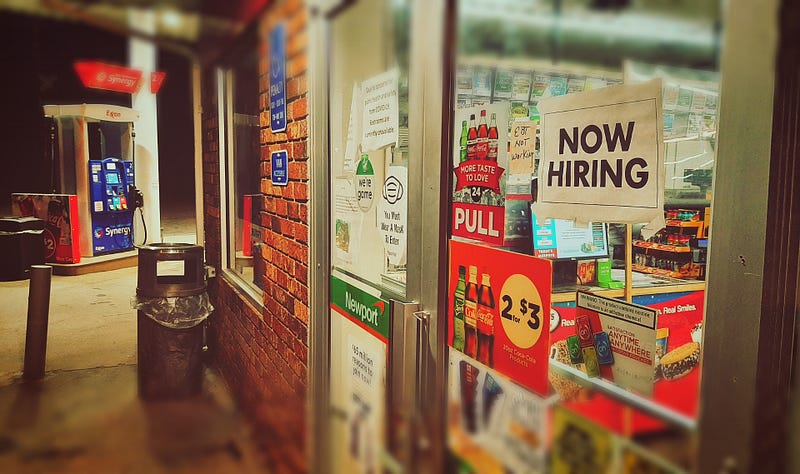
And what happens to these industries while the lower class workers no longer need to work them? How many small community convenience stores are going to have to close before this pandemic is over because they can’t find employees? And how many middle class residents of such communities are going to complain about driving a town over for their gas and cigarettes when that happens?
If nothing else, this pandemic has outlined the massive gap between the lower and middle class more clearly than ever.
Thanks to additional unemployment benefits, the lower class can finally get something like a middle class wage and get out of the often demeaning environments that a minimum wage job frequently fosters; and the middle class can advocate for higher benefit amounts while business owners struggle to find enough employees to keep their doors open.