
Understanding Your Emotional Triggers
Emotional Inflammation: A Condition of Our Times, a new book co-written by Dr. Lise Van Susteren and Stacey Colino, offers helpful advice on dealing with strong emotions.

I can’t think of a better word for overwhelming emotions than inflammation. When we are emotionally triggered, our body goes through a process of sympathetic responses, similar to how an auto immune disorder produces physical inflammation. Red flags wave as we heat up and emotions flare out of control.
Dr. Lise Van Susteren and Stacey Colino’s valuable book helps us uncover our triggers and reclaim our equilibrium during anxious or disturbing times. Dr. Lise is a psychiatrist, actively working in New York City. She penned this book last year before the pandemic altered the world as we knew it and it couldn’t possibly have arrived in a more timely fashion.
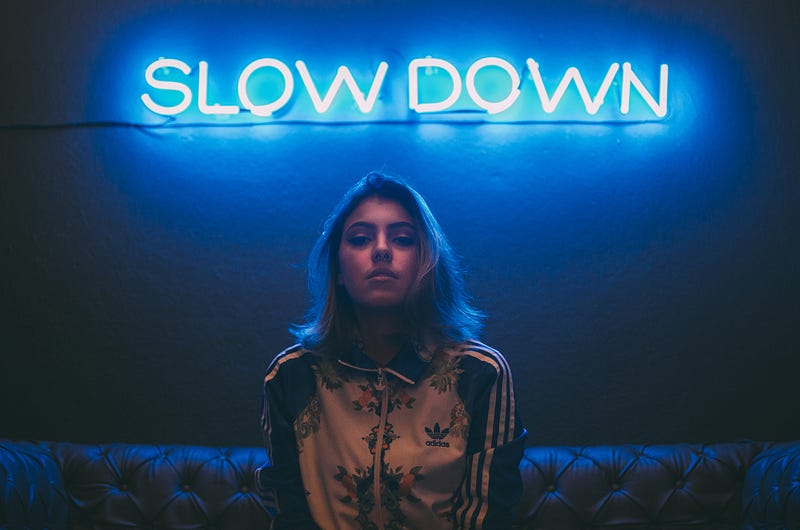
Her pre pandemic concerns were based on the extraordinary number of patients entering her practice, wanting medications for anxiety and stress. The pace of our modern world was not sustainable and our physical bodies were receiving the brunt of our lack of down time.
Our brains need rest in order to reset and restore our attention. Musing was a favored way to do this in the past, but it is now often regarded as a waste of time when there is so much to do. We feel a pressure to keep up and are constantly stimulated on all levels. This drive has led to a lack of patience with others and ourselves. We want a response NOW. We get easily inflamed when goods are not delivered to our liking.
Dr. Lise has identified, based on her own empirical evidence, four major typologies in how we get triggered and lose control of our responses.
REACTOR TYPES:
- NERVOUS REACTORS=high states of anxiety and stress. These are her patients needing some form of pharmaceutical relief to deal with their daily life. Nervous reactors can be found organizing activist front lines. They know the difference between science and speculation and are preparing for what they can visualize ahead. They are the watchdogs sounding the first alert.
- FRANTIC REACTORS=This is the revved up crowd. They overdo and are in constant fear about missing out. They can be easily motivated to take on larger causes due to concerns about their own livelihoods. They can be tireless, saying yes to every need and work until they drop from exhaustion.
- MOLTEN REACTORS=Anger hits this group hard and heavy. Irritability and impatience can translate to rude behavior and an attitude of my way or the highway. A lack of self regulation regarding impulse control can lead to disturbing actions. These people are movers and shakers. Their anger can be legitimate and end up serving the collective when their fuel is wisely dispensed. Outrage plays an important role in youth’s indignation.
- RETREATING REACTORS=This group becomes easily overwhelmed so they withdraw or numb out, due to their sensitivities. ‘Yes, the world is a mess and so is my life but I just can’t handle it’. They can also be thoughtful and take the time to consider all aspects of an issue during their retreat, emerging with helpful solutions. These people can embody humility, compassion and patience.
These various defense mechanisms are all survival strategies. We have a central, core way we are wired to react but access all types intermittently.
So what can we do when emotional inflammation arises and shows it’s fangs. A powerful beginning is to identify and tag your triggers. I brought mine to the surface and took a good look at their origins.
I’m primarily a Molten Reactor and have to mentally override my initial emotional responses to cope with individual circumstances. I’m hyper aware of the three biggest triggers in my anger zone — any form of racism, sexually inappropriate behavior and environmental degradation.
When I backtracked in my consciousness to uncover the roots of my reactions, it was no mystery why I get triggered. My father was a first generation American raised by two Italian immigrants. He went through the public school system in New York City and suffered corporal punishment for speaking a foreign language at any time on school grounds. He was frequently judged as the son of WOPS [Italian immigrants without papers], an untrue assumption in his case. He also experienced racial prejudice due to his olive complexion and untamed hair.
He was adamant with all eleven of his children, that we should never, ever judge another person by the color of their skin or country of origin. He drilled this lesson into us often, in a variety of ways. I hold gratitude for his indoctrination of justice and equality for all and little tolerance for bigots.
I endured two attempted rapes while I was still a teen. Anyone who has experienced sexual assault can testify to the deep embedding with that trauma and the personal work it takes to integrate the wound. Many of us, including myself, go on to become advocates for the safety and well being of vulnerable populations.
I have had a steady love affair with the natural world all my life. It has been my place of worship and spiritual upliftment. I have immense respect and appreciation for everything our beautiful planet generously provides. When I read about corporate greed and the destructive effects energy vampires wreak on common and preserved land, I have to take an inflammation break.
So what can we do with emotional inflammation when it arises? We need to recognize that emotionally inflamed people care. We feel what’s going on and often exhibit sensory processing sensitivities. This state of mind can be an elevated state. It can redirect our energy and lead to empowered action. Once we have rewound and recalled events creating our triggers, we can update our reactions through rational thinking.
Our emotional responses are a form of bodily intelligence. They’re alerting us to what needs to be changed in our outlook, to better serve our growth and emotional maturation.
Undertaking self investigation for what ails you can influence social norms far beyond the individual level and become a collective response. Once one third of our population takes a new direction, it becomes a new social norm.
A conscious decision to become collectively involved has now been studied using scans during a functional MRI, which tracks how blood is flowing through our brain. People holding a collective intention are activating the left side of their brain and exhibiting more generosity by working for group benefit. Bystanders transform into up standers and active agents of change.
Our past assurances of security are now compromised. Notions like the world is a safe place and we will all continue to thrive, are being threatened and can easily warp into emotional inflammation.
What better time could arise, honoring those who have passed, through installing a new sustainability for the planet and exploring our emotional being?
It’s challenging and worthy work. Emotional mastery is a lifelong project and can lead to a personal and collective evolution. We can all become positive agents of change. Will you make that choice?