Understanding the Science and Impact of Heavy Rain, Thunder, and Tornadoes
Introduction
Heavy rain, thunder, and tornadoes are natural phenomena that have fascinated people for centuries. While these events can be awe-inspiring, they can also be incredibly dangerous. In recent years, there have been numerous instances of heavy rain, thunder, and tornadoes causing widespread damage and destruction. As such, it is important to understand how these events form, and what their effects can be. Heavy rain is caused by a variety of factors, including warm air rising and cool air sinking. When the warm air rises, it cools and condenses, forming clouds. These clouds can then release their moisture in the form of rain. Thunder, on the other hand, is caused by the rapid expansion of air that occurs when lightning heats the air around it. Tornadoes are formed when warm, moist air meets cool, dry air, causing a swirling motion that can intensify into a powerful funnel cloud.

The effects of heavy rain, thunder, and tornadoes can be devastating. Heavy rain can cause flooding, landslides, and other forms of damage to homes and infrastructure. Thunder can start fires, damage buildings, and cause power outages. Tornadoes can destroy entire towns, leaving behind a trail of destruction that can take years to repair. As such, it is important to be prepared for these events and to take steps to minimize their impact.
Formation of Heavy Rain
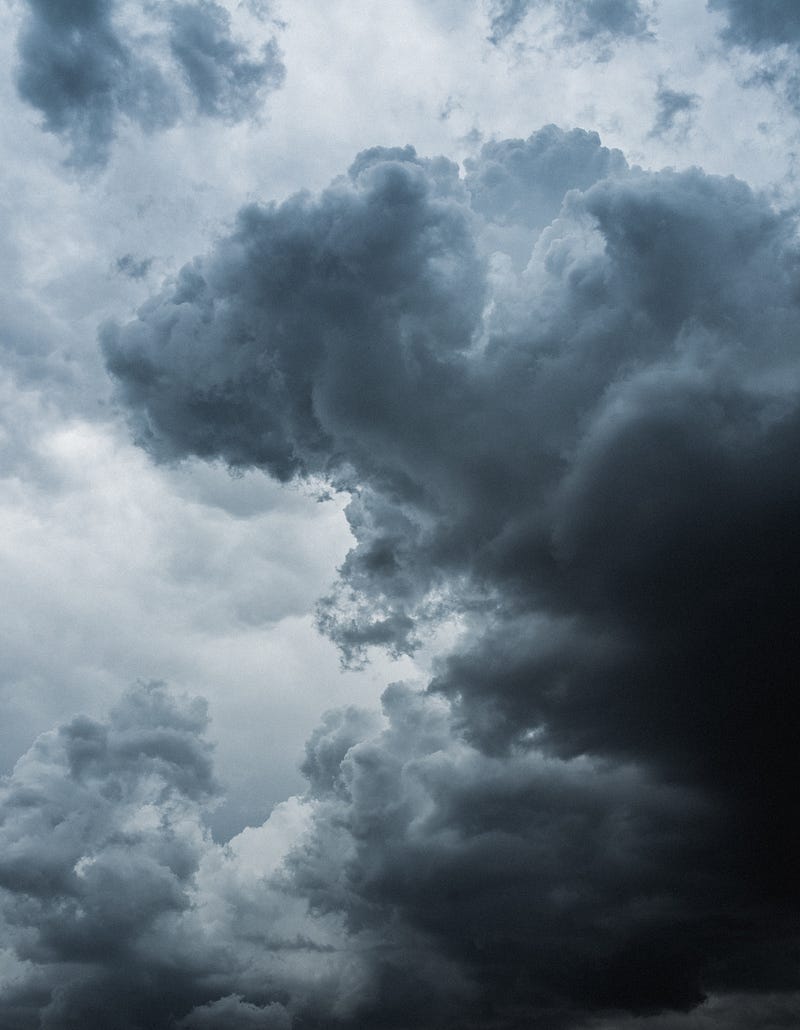
Heavy rain is a natural phenomenon that occurs due to the condensation of water vapor in the atmosphere. The formation of heavy rain is a complex process that involves several factors such as temperature, atmospheric pressure, and humidity. In this section, we will discuss the two main factors that contribute to the formation of heavy rain.
Condensation Process
The condensation process is the most important factor that contributes to the formation of heavy rain. It occurs when water vapor in the atmosphere cools down and changes from a gas to a liquid state. This process happens when the temperature of the air drops below the dew point, which is the temperature at which the air becomes saturated with water vapor. When the air becomes saturated, the excess water vapor condenses into tiny water droplets or ice crystals, forming clouds. As more water vapor condenses, the clouds become denser and heavier, eventually leading to the formation of heavy rain.
Role of Atmospheric Pressure
Atmospheric pressure also plays a crucial role in the formation of heavy rain. It is the force exerted by the weight of the air above the Earth’s surface. When the atmospheric pressure is low, it creates an area of low pressure, which causes air to rise. As the air rises, it cools down and the water vapor in it condenses, leading to the formation of clouds. On the other hand, when the atmospheric pressure is high, it creates an area of high pressure, which causes air to sink. As the air sinks, it warms up and the clouds dissipate, leading to clear skies. In conclusion, the formation of heavy rain is a complex process that involves several factors such as temperature, atmospheric pressure, and humidity. The condensation process and atmospheric pressure are the two main factors that contribute to the formation of heavy rain.
Thunder Creation
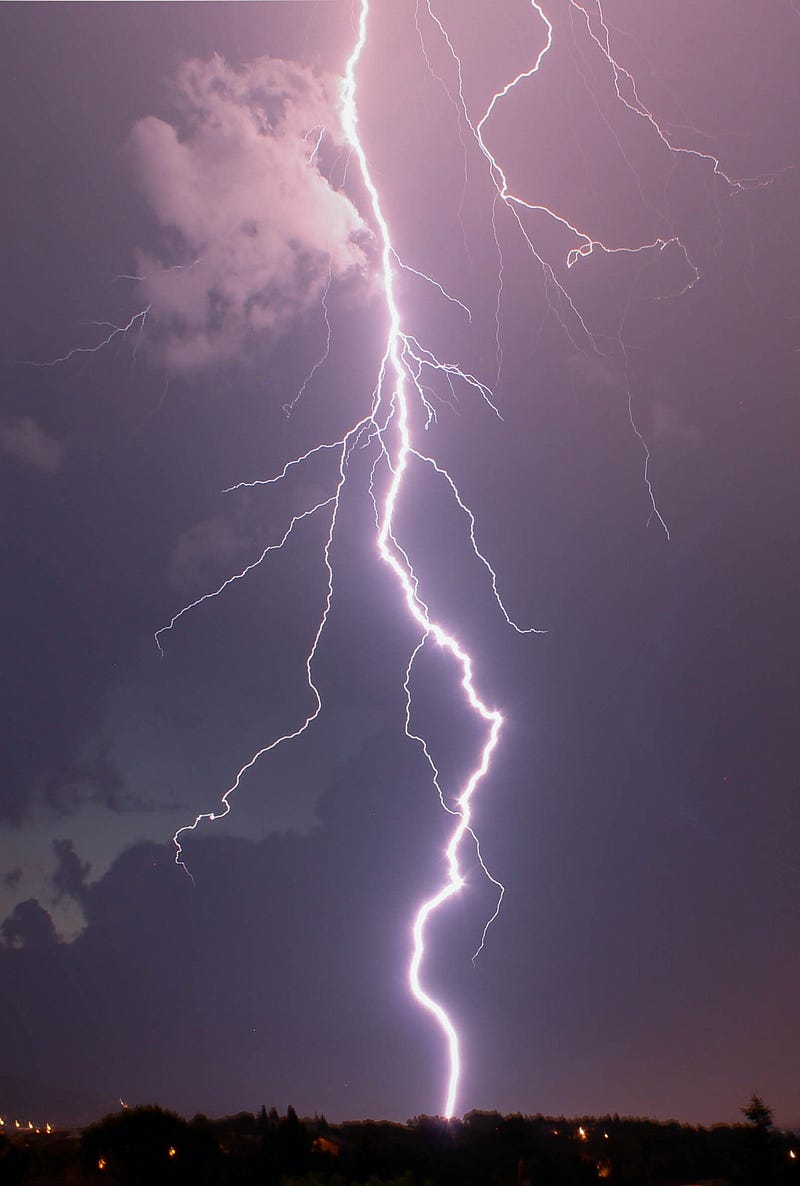
Thunder is the sound that is produced by lightning. When lightning strikes, it heats up the air around it, causing it to expand rapidly. This rapid expansion creates a shock wave that travels through the air, producing the sound we hear as thunder.

Lightning and Sound Waves
Lightning is an electrical discharge that occurs when there is a buildup of static electricity in the atmosphere. This buildup can be caused by a number of factors, including the movement of air masses, the presence of moisture in the air, and the interaction of different layers of air with varying temperatures. When lightning strikes, it heats up the air around it to temperatures of up to 30,000 degrees Celsius. This sudden heating causes the air to expand rapidly, creating a shock wave that travels through the air as a sound wave. The sound wave is what we hear as thunder.
Role of Temperature and Humidity
The intensity and duration of thunder is affected by a number of factors, including the temperature and humidity of the air. Warmer air is able to hold more moisture, which means that thunderstorms are more likely to occur in hot and humid conditions. When warm, moist air rises and cools, it can create the conditions necessary for thunderstorms to form. As the air cools, the moisture in it condenses into droplets, forming clouds. These clouds can become charged with electricity, leading to the formation of lightning and thunder. Overall, thunder is a natural phenomenon that is a result of the interaction between different layers of air in the atmosphere. While it can be awe-inspiring and even frightening, it is an important part of the earth’s weather system.
Tornado Genesis
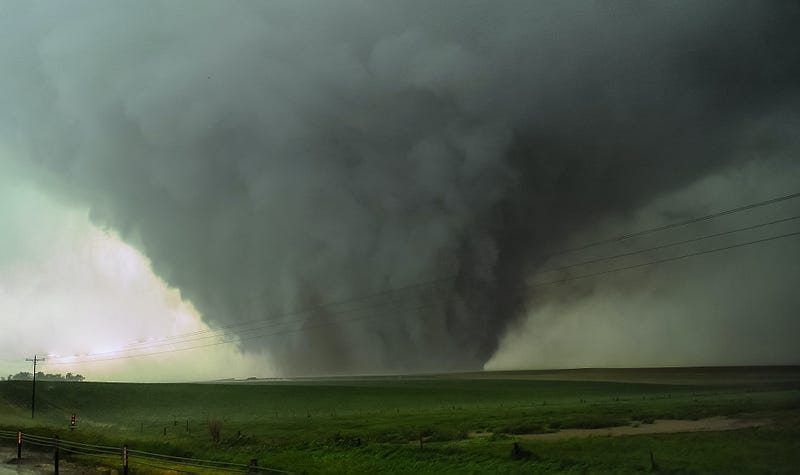
Tornadoes are one of the most destructive natural disasters that can be caused by heavy rain and thunder. They are formed due to a combination of several weather conditions and can cause significant damage to property and human lives. In this section, we will discuss the genesis of tornadoes and some of the factors that contribute to their formation.
Wind Shear
Wind shear is one of the primary factors that contribute to the formation of tornadoes. Wind shear occurs when there is a significant difference in wind speed and direction between two layers of air. This can cause a rotating column of air to form, which can then be stretched vertically by updrafts. If the updrafts are strong enough, the rotating column of air can become a tornado.
Supercell Thunderstorms
Supercell thunderstorms are another factor that can contribute to the formation of tornadoes. These thunderstorms are characterized by a rotating updraft, which can cause the development of a mesocyclone. This mesocyclone can then produce a tornado if the conditions are right. In conclusion, tornadoes are formed due to a combination of several weather conditions, including wind shear and supercell thunderstorms. These destructive natural disasters can cause significant damage to property and human lives.

Effects of Heavy Rain Soil Erosion
When heavy rains occur, the soil is often unable to absorb all the water. This leads to soil erosion, which is the process of soil being washed away by the rainwater. Soil erosion can have a significant impact on the environment, as it can lead to the loss of topsoil, which is essential for plant growth. It can also lead to the degradation of water quality, as the soil that is washed away can contain pollutants.
Floods
Heavy rain can also result in flooding, which occurs when water accumulates in areas where it cannot be absorbed or drained away. Floods can have devastating effects on communities, including the destruction of homes, businesses, and infrastructure. They can also result in loss of life, as people may be swept away by the floodwaters or trapped in their homes. That’s it!
Impact of Thunder
Thunderstorms can have a significant impact on the environment and human life. Here are some of the ways thunder can affect us.
Acoustic Shock
Thunder can be incredibly loud, and the sudden noise can cause acoustic shock in humans and animals. This can lead to hearing damage, tinnitus, and other hearing-related issues. It is essential to protect your ears during a thunderstorm by staying indoors or wearing earplugs.
Fire Hazards
Thunderstorms can also increase the risk of fires. Lightning strikes can ignite dry vegetation, and strong winds can spread the flames quickly. It is crucial to take precautions during a thunderstorm to prevent fires, such as avoiding outdoor activities, keeping flammable materials away from the house, and having a fire extinguisher ready.
Tornado Aftermath
Tornadoes are one of the most destructive natural disasters that can occur. They can cause significant structural damages and ecological impacts. Here are some of the effects of tornadoes:
Structural Damages
Tornadoes can cause significant damages to buildings, homes, and other structures. The damages can range from minor damages to complete destruction. The damages can be caused by the strong winds, flying debris, and the pressure changes that occur during a tornado.
Ecological Impact
Tornadoes can also have significant ecological impacts. They can uproot trees, destroy habitats, and disrupt ecosystems. The debris and other materials that are carried by the tornado can also contaminate waterways and cause other environmental problems. Overall, tornadoes can cause significant damages and have long-lasting effects on the environment. It is important to take precautions and be prepared in case of a tornado.

Conclusion
In conclusion, heavy rain, thunder, and tornadoes are natural phenomena that can cause significant damage to the environment and human life. They are caused by various weather conditions such as warm and cold air masses, humidity, and wind. Heavy rain can cause flooding, landslides, and soil erosion, while thunder and lightning can cause power outages, fires, and injuries. Tornadoes, on the other hand, can cause massive destruction to buildings, homes, and other structures. It is crucial to monitor weather patterns and take necessary precautions to prepare for heavy rain, thunder, and tornadoes. This can include having an emergency kit ready, securing loose objects, and seeking shelter in safe locations. Additionally, it is essential to stay informed about weather updates and follow the instructions of local authorities during severe weather events. Overall, heavy rain, thunder, and tornadoes are natural occurrences that can have severe consequences. However, with proper preparation and awareness, individuals and communities can mitigate the risks and stay safe during these events.