
Unmasking the Danger: EV Charger Hacking and Its Impact on Personal Data and the Power Grid
Understanding the Risk: How EV Charger Hacking Endangers Personal Data and the Power Grid
Deciphering EV Charger Hacking: Threats to Personal Data and Power Infrastructure
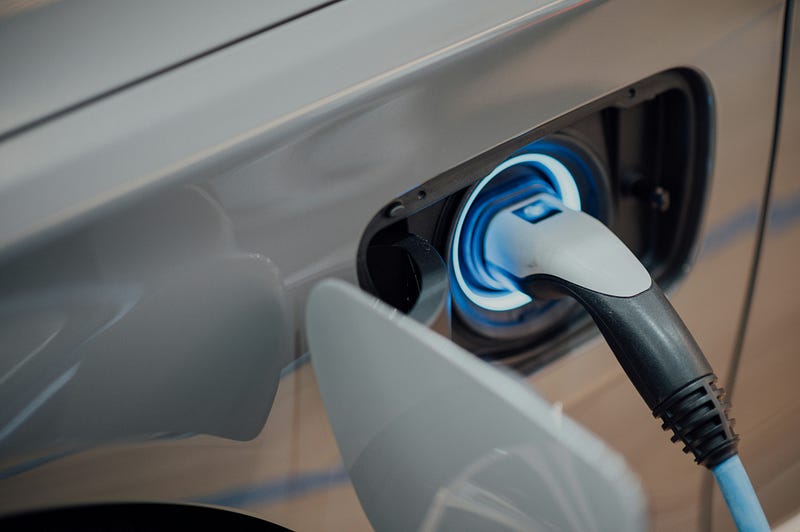
Charging your electric vehicle (EV) might seem like a straightforward operation, right? You plug it in, it charges up, and then you’re good for another hundred miles or so. But did you ever stop to think about what else could happen when you insert that plug? Could your personal data be at risk? Could you potentially endanger the power grid? As our world continues to evolve technologically, cyber threats emerge from the most unexpected corners. Let’s dive in together to uncover how EV charger hacking threatens not just your personal data, but also the larger power grid system.
- Personal data vulnerability: EV chargers, like other ‘smart’ devices, are connected to the internet. This makes them susceptible to hackers who can manipulate the system to retrieve your personal information.
- Power Grid Disruptions: Large-scale charging of electric vehicles can put significant strain on power grids, especially if manipulated by hackers. This could potentially lead to unexpected and citywide blackouts.
“With the rise of electric vehicles, we should be not just soaring into the future, but we also need to address and mitigate associated risks — Stuart Williams, Cybersecurity Expert”
Our nation is racing towards cleaner and more efficient ways of transportation, and with this rise of electric vehicles (EVs), there certainly come unique challenges. Sunil Chhaya, a senior technical executive at the Electric Power Research Institute, expresses growing concerns regarding cybersecurity associated with EVs and their charging infrastructure.
The National Institute of Standards and Technology (NIST) echoes this concern, suggesting a growing and alarming trend of cybersecurity risks linked to EV charging stations. These risks are not just limited to personal data theft, but extend to large-scale attacks that could potentially destabilize the power grid. Imagine a scenario where an attacker gains control over a large number of EV charging stations — the potential for grid destabilization could be enormous. Remember, EV charging stations are not jus stand-alone structures handing out electricity like candy.

They’re integral parts of our intelligent Internet of Things (IoT) network, communicating with vehicles and grid operators, authorizing charging processes, and managing power loads. This makes them especially vulnerable to cyberattacks. However, here’s the twist: As we step up our efforts to electrify the US transportation sector, we actually risk increasing our exposure to cyber threats. Cyber attacks targeting vehicle charging could impact several critical infrastructure sectors beyond just power systems. This includes manufacturing, medical services, and even agriculture.
Thanks to the interconnectedness of our societies, a cyberattack on one could produce ripple effects across many others. These effects are not just technical or financial but could also lead to political, social, and worse, public outcry. We’ve seen this with large-scale hacks before — their effects can be long-lasting and deeply damaging. It’s this understanding that pushes experts, like Mr. Chhaya, to emphasize the importance of a comprehensive approach and stern best practices.
Threat models, technology gap identification, effective countermeasures — all these are necessary to secure the future of our EV charging infrastructure. Ensuring this would mean better protection not just for customers, vehicles, and power systems, but also the very fabric of our digitized society. After all, it’s not just our transportation that’s getting electrified — it’s our future. If you use public smart chargers or own EVSE, be aware of potential risks to your personal information including your credit card details and VINs.
As we navigate this brave new electrified world, we need to stay informed, vigilant, and proactive to prevent potential electric storms on the horizon.
- Electric Power Research Institute senior technical executive Sunil Chhaya has voiced fears over the cybersecurity of electric vehicles (EVs) and their charging stations, highlighting an expanding area of concern in the sector.
- As stated by the National Institute of Standards and Technology (NIST), the cyber risk linked to electric charging stations is escalating at an alarming rate.
- Far from being a distant threat, cyberattacks on EV charging environments, resulting in unauthorized access, data breaches, Distributed Denial of Service (DDoS) attacks, as well as the spread of ransomware and malware are real and present dangers.
- EV charging stations are part of the Internet of Things (IoT) network and are thus perilously susceptible to cyberattacks.
- Large-scale and long-standing cyberattacks could potentially wreak havoc on EV charging stations, with consequences ranging from personal data breaches to remote control over the chargers or even tampering with the vehicles themselves.
- Cyberattacks aimed at vehicle charging could extend their influence to critical infrastructural sectors such as power systems, manufacturing, healthcare, and agriculture, disrupting services and undermining people’s confidence in the stability and safety of these systems.
- As the power delivery capacity of charging stations increases, so do their communication requirements for starting and controlling the charging process and managing electrical loads — a phenomenon that introduces more vulnerabilities into the system.
- In the face of the impending threat of cyberattacks, the EV/ EVSE industry is yet to implement a comprehensive cybersecurity approach, mainly due to an incomplete understanding of the attack surface, interconnected assets, and unsecured interfaces.
- To secure the EV charging infrastructure, comprehensive cybersecurity recommendations grounded on sound research are critical.
- While potential solutions to mitigate such attacks are being explored by various stakeholders, it is vital to dispel misconceptions and false beliefs about these cyber risks that possess the power to negatively affect the widespread acceptance and adoption of EVs.
In conclusion, the risks facing EV charging stations and corresponding infrastructure are far more than hypothetical scenarios. Cyberattacks could lead to significant breaches of personal data, compromise power systems, and even undermine public confidence in the adoption of sustainable electric vehicles. The increasing communication requirements of high-capacity charging stations further expose the gritty challenges of ensuring ample security against hackers.
The stakes in protecting our emerging EV infrastructure are indeed high. With the expanding cyber threat landscape, it is crucial for the EV/EVSE industry to prioritize the development of comprehensive, research-based cybersecurity measures. Simultaneously, dispelling lingering misconceptions and uncertainties about the associated cyber risks is essential in guaranteeing the successful diffusion and public acceptance of electric vehicles across our roads.
We stand at the threshold of an electrified era, and it is more important than ever to ensure that the corresponding charging infrastructure remains secure and resilient. The race is on, not only towards a sustainable future, but also towards one where that sustainability is coupled with the assurance of security, privacy, and reliability.
