
Understanding the Allure of Dating a Married Man
The Heart’s Forbidden Journey
This in-depth exploration into the dynamics of relationships with married men seeks to provide a comprehensive understanding of the emotional, societal, and personal dimensions involved. It’s a narrative that delves into the heart’s capacity for love and resilience, even in the most unconventional and challenging circumstances.
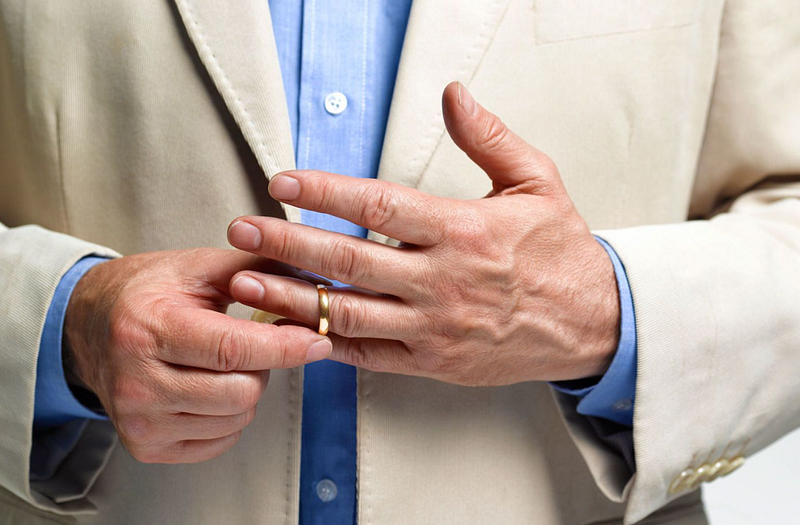
In the complex world of human relationships, the allure of a married man is a paradox that defies simple explanation.
This phenomenon, often cloaked in secrecy and taboo, beckons a deeper exploration into the human psyche.
What drives this attraction?
Is it the thrill of the forbidden, or is it something more profound?
The magnetic pull towards a married man can be attributed to a myriad of psychological and emotional factors.
For some, it’s the allure of maturity and stability that a married man represents. There’s a perceived sense of security and wisdom that comes with someone who has committed to a life partnership.
But beyond the surface, there’s often a deeper, more complex interplay of emotions at work[1][2][3].
The Lure of Maturity and Stability
The allure of a married man often lies in the maturity and stability he represents.
This is not merely about financial security, but also emotional stability.
A married man has demonstrated his ability to commit and to handle the responsibilities that come with a long-term relationship.
This can be particularly attractive to those who crave stability in their own lives[1][3].

The Science of Attraction
Attraction is a complex interplay of various factors, including physical attractiveness, personality traits, and shared interests.
However, the psychology of attraction goes beyond these surface-level factors.
It involves a series of complex chemical reactions taking place between the brain and the body.
Lust, attraction, and attachment, the three categories of romantic love, are each identified by a set of hormones released from the brain[2].
Lust releases testosterone and estrogen, driving the initial stages of attraction.
The second stage, attraction, releases dopamine, serotonin, and norepinephrine — the hormones that give us the warm and fuzzy feelings. In the final stage, attachment, the brain releases oxytocin and vasopressin, creating a sense of security and bonding[2].
The Emotional Labyrinth: Navigating the Highs and Lows
Engaging in a relationship with a married man is akin to navigating a labyrinth of emotions.
The initial stages are often exhilarating, marked by a sense of adventure and escape from the mundane.
It’s a world where passion and romance seem to defy the ordinary constraints of life.
But as the relationship progresses, the emotional landscape becomes more challenging[1][4].
The Fantasy Bubble
The initial stages of a relationship with a married man often feel like a fantasy.
The secrecy and thrill of the forbidden can create a bubble that separates the couple from the realities of life.
This bubble can be filled with intense passion, heightened by the clandestine nature of the relationship. However, this fantasy bubble is not sustainable in the long run, and its eventual burst can lead to emotional turmoil[1][4].
The Emotional Rollercoaster
The highs of affection and attention can quickly give way to lows of neglect, guilt, and uncertainty.
This emotional rollercoaster is a journey of constant flux, where moments of happiness are often shadowed by the fear of loss and the burden of secrecy. The emotional highs and lows can be further amplified by the hormonal changes associated with lust, attraction, and attachment[2][4].
Reflecting Society’s Gaze: The Weight of Judgment and Stigma
In a world where societal norms and cultural values play a pivotal role in shaping our perceptions, the judgment surrounding relationships with married men is often harsh and unforgiving.
These relationships are viewed through a lens of moral scrutiny, leaving those involved to grapple with a sense of guilt and societal backlash[1][3].

Cultural and Social Beliefs
Cultural and social beliefs play a significant role in how relationships with married men are perceived.
In many societies, these relationships are seen as morally wrong and are often stigmatized. This societal judgment can add an additional layer of stress and guilt to the relationship, making it even more challenging to navigate[1][3].
The Role of Social Media and Public Perception
In the digital age, privacy is elusive, and the risk of exposure is ever-present.
The role of social media and public perception adds another layer of complexity to these relationships.
The fear of being discovered and the potential backlash can amplify the emotional strain, leading to a sense of isolation and vulnerability[1][3].
The Inevitable Crossroads: Confronting Reality and Its Aftermath
Every relationship with a married man eventually reaches a defining moment — a crossroads where hard truths are confronted, and decisions are made.
This juncture is often fraught with emotional turmoil, as the reality of the situation becomes impossible to ignore[1][4].
The Moment of Truth
The moment of truth in a relationship with a married man often comes when the reality of the situation can no longer be ignored.
This can be triggered by various factors, such as the strain of maintaining secrecy, the emotional turmoil, or the realization of the potential consequences. This moment often forces a decision — to continue with the relationship or to end it[1][4].
The Aftermath
The aftermath of these relationships, regardless of their outcome, is a tapestry of mixed emotions.
For some, it’s a period of introspection and growth, while for others, it’s a time of pain and regret.
The impact of these relationships extends beyond the immediate parties involved, affecting families, friendships, and even professional lives[1][4].

Embracing the Path of Self-Discovery
In conclusion, the decision to engage in a relationship with a married man is a deeply personal and complex one.
It’s a journey that challenges conventional norms, evokes strong emotions, and often leads to profound self-discovery.
While it’s not a path for everyone, for those who embark on it, it offers a unique lens through which to view the intricacies of love, desire, and the human condition[1][2][3][4].