avatarTia Merotto

Free AI web copilot to create summaries, insights and extended knowledge, download it at here

806

Abstract

th.</p><figure id="bff2"><img src="https://cdn-images-1.readmedium.com/v2/resize:fit:800/1*Pf6p4tAulxlfTpa5v2EgMQ.jpeg"><figcaption>Image by <a href="https://pixabay.com/users/tamanna_rumee-19312839/?utm_source=link-attribution&amp;utm_medium=referral&amp;utm_campaign=image&amp;utm_content=5786934">Tamanna Rumee</a> from <a href="https://pixabay.com//?utm_source=link-attribution&amp;utm_medium=referral&amp;utm_campaign=image&amp;utm_content=5786934">Pixabay</a></figcaption></figure><p id="93a2">Sattvic foods- those that promote mental clarity, calmness and a sense of harmony- are plentiful. They are associated with sweet, bitter, and astringent tastes, and include an abundant list of fresh fruits, vegetables, grains and legumes, as well as spices such as ginger, cardamom and turmeric.</p><p id="

Options

adf0">Rajasic and tamasic foods, on the other hand, are thought to disturb the balance in our bodies. Rajasic flavors — such as spicy or pungent tastes — can overstimulate our senses, leading to symptoms like anxiety and restlessness. Tamasic flavors, like salty or sour tastes, can leave us feeling heavy, dull, and lethargic.</p><p id="3124">The importance of sattvic flavors in Ayurvedic cooking lies in their ability to promote not just physical health, but mental and spiritual wellbeing. Sattvic foods are said to encourage mental and physical clarity, encouraging presence in connecting with ourselves and the outside world.</p><p id="8ad0">The next time you plan a meal, try to experiment with incorporating a sattvic ingredient or two. Your body and mind may thank you for it!</p></article></body>

Understanding Sattvic Foods in Ayurveda

Food holds a profound significance in the human experience. Our relationship to what we eat transcends basic nutrition — it is deeply interconnected with our emotional, cultural and spiritual lives. This holds particularly true in Ayurvedic cooking, where the cultivation of mental and spiritual well-being goes hand-in-hand with physical health.

Ayurveda, one of the world’s oldest holistic healing systems, aims to create balance within the body through mindful dietary and lifestyle choices. In Ayurvedic cooking, food is categorized into three types — sattvic (pure, or balancing), rajasic (stimulating), and tamasic (dull). Of these, sattvic foods are considered the most beneficial for overall health.
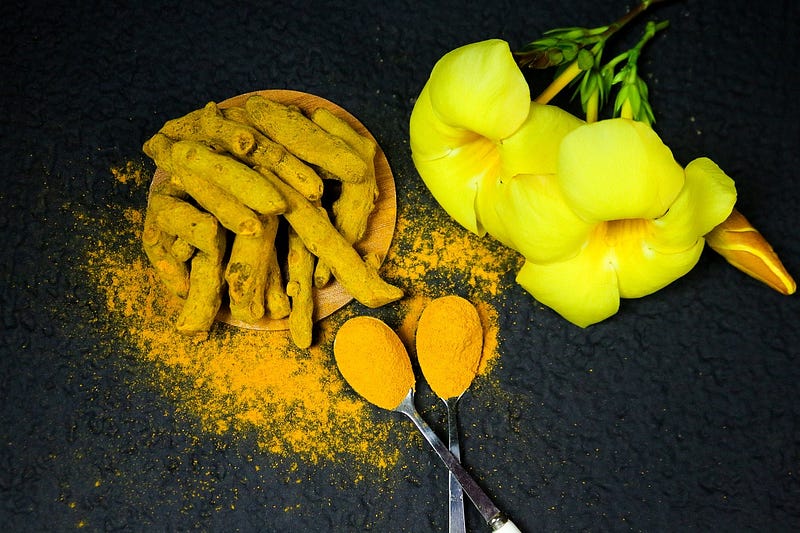
Image by Tamanna Rumee from Pixabay

Sattvic foods- those that promote mental clarity, calmness and a sense of harmony- are plentiful. They are associated with sweet, bitter, and astringent tastes, and include an abundant list of fresh fruits, vegetables, grains and legumes, as well as spices such as ginger, cardamom and turmeric.

Rajasic and tamasic foods, on the other hand, are thought to disturb the balance in our bodies. Rajasic flavors — such as spicy or pungent tastes — can overstimulate our senses, leading to symptoms like anxiety and restlessness. Tamasic flavors, like salty or sour tastes, can leave us feeling heavy, dull, and lethargic.

The importance of sattvic flavors in Ayurvedic cooking lies in their ability to promote not just physical health, but mental and spiritual wellbeing. Sattvic foods are said to encourage mental and physical clarity, encouraging presence in connecting with ourselves and the outside world.

The next time you plan a meal, try to experiment with incorporating a sattvic ingredient or two. Your body and mind may thank you for it!

Ayurveda
Nutrition
Wellbeing
Diet
Spirituality
Recommended from ReadMedium