avatarDr. Chris E. Stout

Free AI web copilot to create summaries, insights and extended knowledge, download it at here

4510

Abstract

Immigration Wrong When Our Prosperity Depends on Getting It Right</i></a>. This was a shift from being a journalist, to the policy world, and led her to the World Policy Institute.</p><p id="8ff7">Her first bestseller was <a href="https://www.goodreads.com/book/show/23848071-the-gray-rhino?from_search=true&amp;from_srp=true&amp;qid=fwQpTtdArg&amp;rank=1"><i>The Gray Rhino: How to Recognize and Act on the Obvious Dangers We Ignore</i></a>, and has served as the basis for her consultancy’s brand, her crazy-popular TED talk, a pop song’s lyric and a copy resides on the bookshelf of the president of China. So, we took some time and unpack all that, starting with what the metaphor represents and its genesis.</p><figure id="0c02"><img src="https://cdn-images-1.readmedium.com/v2/resize:fit:800/0*w9E2B424bsFsAZ4r"><figcaption></figcaption></figure><p id="864a">Both Michele and Nassim Talib note that Covid was not a black-swan event, but she has also written that black-swans are a myth, and she tells us why she thinks that’s the case. Furthermore, she shares some examples of what her consultancy Gray Rhino & Company does.</p><p id="ec26">It seems all of her writing and theorizing has led to her newest book, <a href="https://www.google.com/books/edition/You_Are_What_You_Risk/c4T2DwAAQBAJ?hl=en&amp;gbpv=0"><i>You Are What You Risk: The New Art and Science of Navigating an Uncertain World</i></a><i>?</i></p><p id="88cb">Laura Huang, Professor of Business Administration at Harvard Business School and Author of <i>EDGE: Turning Adversity into Advantage, said:</i></p><figure id="83bc"><img src="https://cdn-images-1.readmedium.com/v2/resize:fit:800/0*wQxro9EV3KP3yA3n"><figcaption></figcaption></figure><p id="d5d1">Danielle Harlan, author of <i>The New Alpha </i>said:</p><figure id="2da2"><img src="https://cdn-images-1.readmedium.com/v2/resize:fit:800/0*3LX9crr36sT4eZ4f"><figcaption></figcaption></figure><p id="3dff">It’s also a <a href="https://thegrayrhino.us12.list-manage.com/track/click?u=de6ee744691631e9846bafd7a&amp;id=c32596cc6d&amp;e=00e8a3959a">Spring 2021 “Next Big Idea Book Club” Nominee</a> and I read about it in <a href="https://thegrayrhino.us12.list-manage.com/track/click?u=de6ee744691631e9846bafd7a&amp;id=caac7c3e44&amp;e=00e8a3959a"><i>The Wall Street Journal</i></a><i>. We discussed the backstory behind the fingerprint as imagery for the concept. We learn what a risk-fingerprint is, </i>why it’s so important to understand it, and h<i>ow one assesses their risk fingerprint.</i></p><p id="90ad">I ask Michele about:</p><ul><li><i>How culture, values and societal norms interact with our innate personality</i></li><li><i>How she found over 60 wonderfully diverse individuals to interview</i></li><li><i>What are some of her most memorable or favorite stories</i></li></ul><p id="3042">Michele introduces a new vocabulary for thinking and talking about risk<i>:</i> “When risk savvy is a more appropriate term than risk aversion, how risk empathy can improve teamwork and relationships, and why risk literacy is essential to healthy risk ecosystems,” and she un-packs all that.</p><figure id="0d71"><img src="https://cdn-images-1.readmedium.com/v2/resize:fit:800/0*4uRATVoimrZzihYk"><figcaption></figcaption></figure><p id="6901">She notes the impact of Ulrich Beck’s vision of the mindset-shift of social structures of the future needing to be as “David not ‘versus’ but rather plus Goliath,” and that we can view risk as a danger, or as an opportunity, but it always exists on a spectrum. She wrote:</p><p id="d2f0"><i>How you make these cost-benefit calculations depend on your culture, your values, the people in the room, and even unexpected things like what you’ve eaten recently, the temperature, the music playing, or the fragrance in the air. Being alert to these often-unconscious influences will help you to seize opportunity and avoid danger.</i></p><p id="f8f7">She also make the points:</p><blockquote id="ad2d"><p>“To reduce global risks, we need to consider ourselves as multilayered citizens: of our communities, of our nations, and of our shared planet.”</p></blockquote><p id="a745">And:</p><blockquote id="51b1"><p>“… for a long time, most people tended to think of citizenship as tied to a single nation-state, and though many still do, that way of thinking is obsolete.</p></blockquote><p id="e627">Michele addresses a variety of scenarios…</p><figure id="d334"><img src="https://cdn-images-1.readmedium.com/v2/resize:fit:800/0*Ri4qdaMXKo-8B

Options

nR6"><figcaption></figcaption></figure><p id="f4b1"><i>Why do we often create bigger risks than the risks we try to avoid?</i></p><p id="067f"><i>Why are corporate boards newly worried about risky personal behavior by CEOs?</i></p><p id="9c0a"><i>Why are some nations quicker than others to recognize and manage risks like pandemics, technological change, and climate crisis?</i></p><p id="238e"><i>What is a risk portfolio and how do you create one?</i></p><p id="f0d5"><i>How do we make our risk relationship work better in business, life, and the world?</i></p><p id="c080">Michele lives her life in full, and her work and writing helps make all of our lives more informed and fuller.</p><p id="3ff2">Listen <a href="https://tinyurl.com/ALifeInFull">on iTunes</a> or <a href="http://livingalifeinfull.libsyn.com/">download here</a>. You can also listen on <a href="https://overcast.fm/itunes1281672367/living-a-life-in-full">Overcast</a>, <a href="https://soundcloud.com/dr-chris-stout">SoundCloud</a>, <a href="https://tinyurl.com/Stitcher-LivingALifeInFull">Stitcher</a>, <a href="https://tinyurl.com/Spotify-LivingALifeInFull">Spotify</a>, <a href="https://podcasts.google.com/?feed=aHR0cDovL2xpdmluZ2FsaWZlaW5mdWxsLmxpYnN5bi5jb20vcnNz">Google Podcasts</a>, and <a href="https://www.iheart.com/podcast/living-a-life-in-full-29468501/">iHeartRADIO</a> as well. Please subscribe on your favorite platform and never miss an episode or to get our <a href="https://tinyurl.com/ALifeInFullSubscription">monthly newsletter</a>. Here are the <a href="http://www.alifeinfull.org/podcast.html">show notes.</a></p><p id="fb53">The “Living a Life in Full” podcast is the conversation you always wanted to have with that person who gave an amazing TED talk, or the author of one your favorite books, or that inspirational Olympian you always wanted to know more about.</p><p id="6c42">This show is for the intellectually curious. You want to not just know more about the interesting and the innovative, but also what makes them tick, and maybe even what makes them laugh. It’s graduate-level conversations with those making a difference in the world and the lives of others.</p><p id="cff7">Living a Life in Full provides durable insights and actionable knowledge, along with a dash of fun. We bring you new ideas and approaches so you can live a life in full.</p><p id="9511">The show is equal parts information and inspiration, but without the aphorisms and Pablum. We cover a wide range of topics in an engaging way — from Burning Man to The Renaissance Weekend, from the United Nations to top universities, Nobel Laureates to astronauts — we have an amazing Rolodex.</p><p id="385b">Interviewees are a who’s who of high-performance athletes, bestselling authors, high-caliber leaders, world changing humanitarians, innovative researchers, amazing start-up founders, clever life-hackers, paradigm busting thought-leaders and global innovators.</p><p id="632d"><b># # #</b></p><p id="c9ed"><i>This story originally appeared as a LinkedIn Influencer post. If you’d like to learn more or connect, please do, just <a href="https://linktr.ee/drchrisstout"><b>click here</b></a>. You can <a href="https://tinyurl.com/ALifeInFullSubscription"></a></i><a href="https://tinyurl.com/ALifeInFullSubscription"><b>join my email</b><i></i></a><i> to keep in touch. Tools and my podcast are available via</i> <a href="http://alifeinfull.org/"><b><i>http://ALifeInFull.org</i></b></a><i>. If you liked this article, you may also like: <a href="https://www.linkedin.com/today/posts/drchrisstout"></a></i><a href="https://www.linkedin.com/today/posts/drchrisstout">https://www.linkedin.com/today/posts/drchrisstout</a></p> <figure id="114c"> <div> <div> <img class="ratio" src="http://placehold.it/16x9"> <iframe class="" src="https://cdn.embedly.com/widgets/media.html?src=%2F%2Fhtml5-player.libsyn.com%2Fembed%2Fepisode%2Fid%2F19994072%2Fheight%2F90%2Ftheme%2Fcustom%2Fthumbnail%2Fyes%2Fdirection%2Fforward%2Frender-playlist%2Fno%2Fcustom-color%2F88AA3C%2F&amp;display_name=Libsyn&amp;url=https%3A%2F%2Foembed.libsyn.com%2Fembed%3Fitem_id%3D19994072&amp;image=https%3A%2F%2Fassets.libsyn.com%2Fsecure%2Fitem%2F19994072&amp;key=a19fcc184b9711e1b4764040d3dc5c07&amp;type=text%2Fhtml&amp;schema=libsyn" allowfullscreen="" frameborder="0" height="90" width="600"> </div> </div> </figure></iframe></div></div></figure></article></body>

Michele Wucker

Understanding Risk and Making Better Decisions with Michele Wucker

Michele Wucker is the founder of the Chicago-based strategy firm Gray Rhino & Company, drawing on three decades of experience — first as a financial journalist, and then media and think tank executive. She has been honored as a Young Global Leader of the World Economic Forum and as a Guggenheim Fellow. Michele was a journalist the Milwaukee Sentinel and later at Dow Jones and International Financing Review.

She has held leadership positions at The Chicago Council on Global Affairs and the World Policy Institute. She has taught at Columbia University’s School of International and Public Affairs, and her writing has appeared in publications around the world including The Economist, The New York Times, The Washington Post, and The Wall Street Journal. And she has been a sought-after media commentator on the Covid-19 pandemic.

She received her BA in French and in Policy Studies from Rice University, her Master of International Affairs with a Concentration in International Political Economy and Certificate in Latin American Studies from Columbia University, and though the World Economic Forum, she studied Global Leadership and Public Policy at the Harvard Kennedy School’s Executive Education Program.
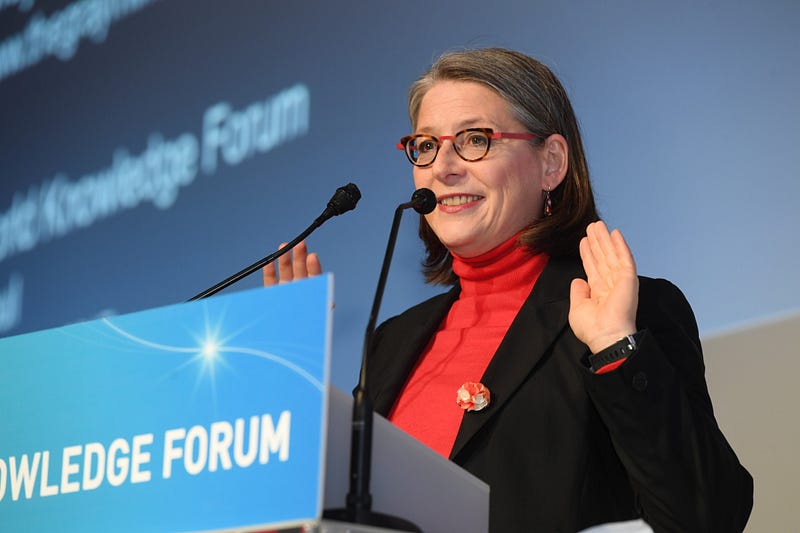
She is the author of four highly acclaimed and best-selling books that we’ll be discussing. She coined the term “gray rhino” in reference to a highly probable, high-impact, yet neglected threat. This concept is examined in her global bestseller The Gray Rhino: How to Recognize and Act on the Obvious Dangers We Ignore, which China’s leadership has used to frame and communicate its crackdown on financial risk. The metaphor has moved markets, shaped financial policies, and made headlines around the world. It is quite relevant in the ignored warnings ahead of the Covid-19 pandemic and it even inspired the lyrics of the hit pop single “Blue & Grey” by the mega-band BTS. And Michele’s 2019 TED Talk on it has attracted almost two-and-a-half-million views.
Drawing on compelling risk stories around the world and weaving in economics, anthropology, sociology, and psychology research, Michele Wucker bridges the divide between professional and lay risk conversations. She challenges stereotypes about risk attitudes, re-frames how gender and risk are related, and shines new light on generational differences. She shows how the new science of “risk personality” is re-shaping business and finance, how healthy risk ecosystems support economies and societies, and why embracing risk empathy can resolve conflicts. Michele shares her insights along with practical tools, and proven strategies that help us to understand what makes us who we are, and in turn, to make better choices, both big and small.
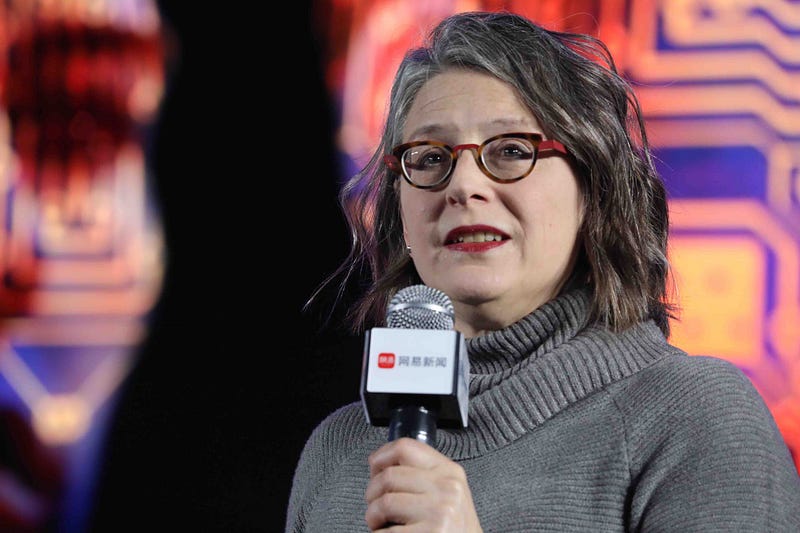
We hold a shared lineage vis-à-vis the World Economic Forum, and our Chicago-connections, and she shares her complicated back-story and then into her books. Michele’s first book was very popular, and Bronx Community College’s “One Book” of the year — Why the Cocks Fight: Dominicans, Haitians, and the Struggle for Hispaniola. She explains what it’s about and why it’s been evergreen in its popularity.
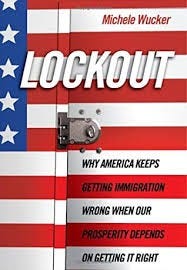
Michele’s combined expertise in economics and finance with her interest in immigration for her second book, Lockout: Why America Keeps Getting Immigration Wrong When Our Prosperity Depends on Getting It Right. This was a shift from being a journalist, to the policy world, and led her to the World Policy Institute.

Her first bestseller was The Gray Rhino: How to Recognize and Act on the Obvious Dangers We Ignore, and has served as the basis for her consultancy’s brand, her crazy-popular TED talk, a pop song’s lyric and a copy resides on the bookshelf of the president of China. So, we took some time and unpack all that, starting with what the metaphor represents and its genesis.
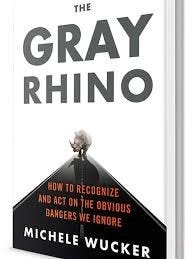
Both Michele and Nassim Talib note that Covid was not a black-swan event, but she has also written that black-swans are a myth, and she tells us why she thinks that’s the case. Furthermore, she shares some examples of what her consultancy Gray Rhino & Company does.

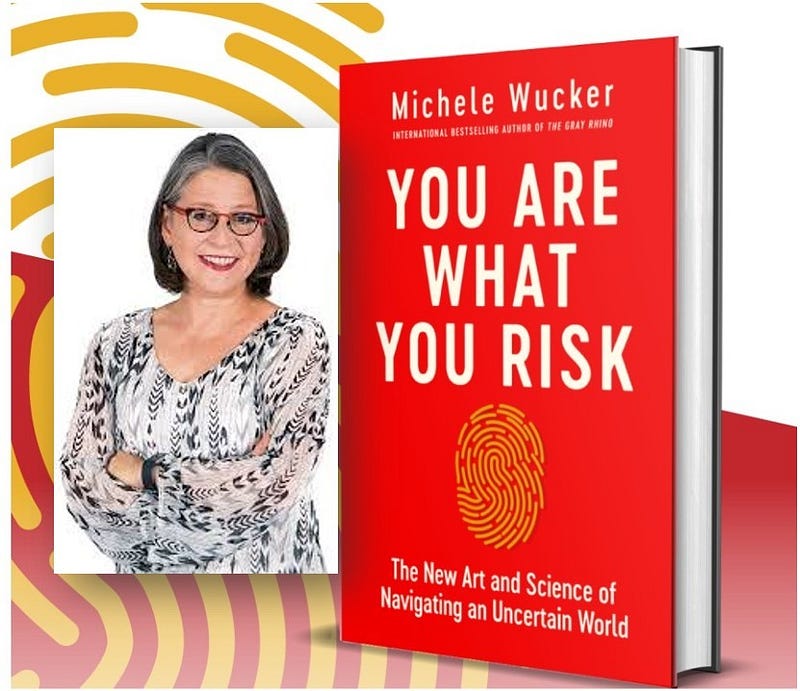
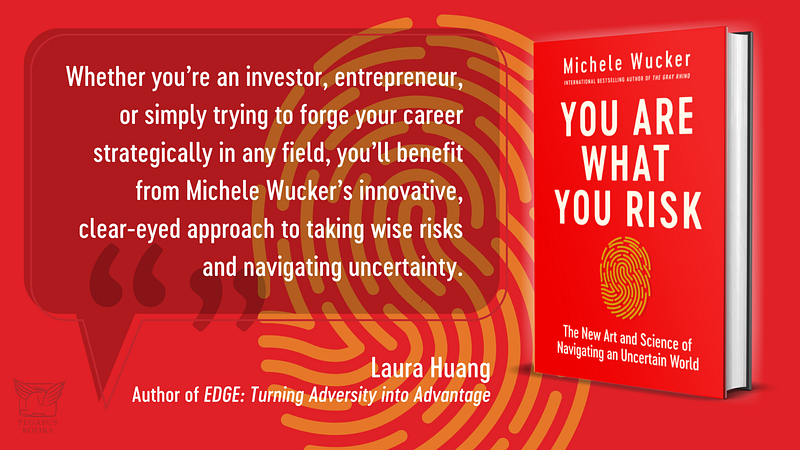
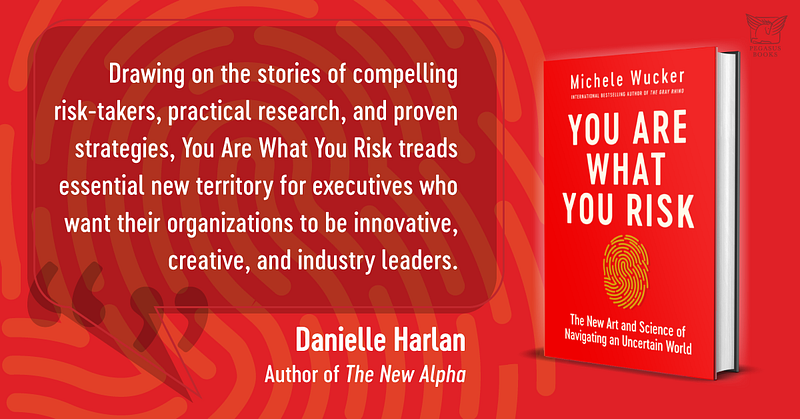
It seems all of her writing and theorizing has led to her newest book, You Are What You Risk: The New Art and Science of Navigating an Uncertain World?

Laura Huang, Professor of Business Administration at Harvard Business School and Author of EDGE: Turning Adversity into Advantage, said:
Danielle Harlan, author of The New Alpha said:
It’s also a Spring 2021 “Next Big Idea Book Club” Nominee and I read about it in The Wall Street Journal. We discussed the backstory behind the fingerprint as imagery for the concept. We learn what a risk-fingerprint is, why it’s so important to understand it, and how one assesses their risk fingerprint.

I ask Michele about:

  • How culture, values and societal norms interact with our innate personality
  • How she found over 60 wonderfully diverse individuals to interview
  • What are some of her most memorable or favorite stories

Michele introduces a new vocabulary for thinking and talking about risk: “When risk savvy is a more appropriate term than risk aversion, how risk empathy can improve teamwork and relationships, and why risk literacy is essential to healthy risk ecosystems,” and she un-packs all that.
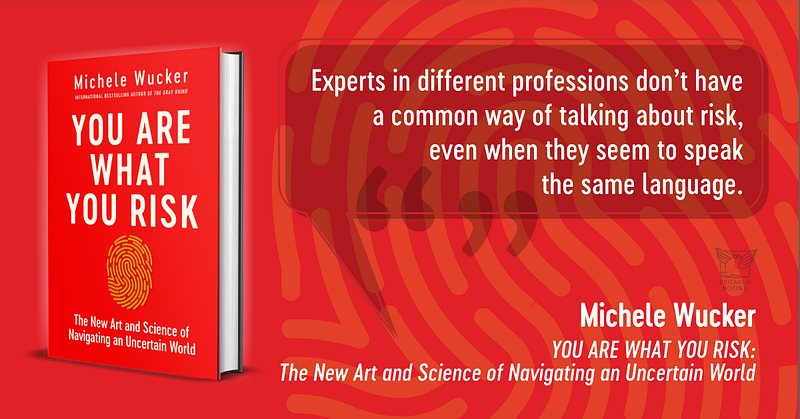
She notes the impact of Ulrich Beck’s vision of the mindset-shift of social structures of the future needing to be as “David not ‘versus’ but rather plus Goliath,” and that we can view risk as a danger, or as an opportunity, but it always exists on a spectrum. She wrote:

How you make these cost-benefit calculations depend on your culture, your values, the people in the room, and even unexpected things like what you’ve eaten recently, the temperature, the music playing, or the fragrance in the air. Being alert to these often-unconscious influences will help you to seize opportunity and avoid danger.

She also make the points:

“To reduce global risks, we need to consider ourselves as multilayered citizens: of our communities, of our nations, and of our shared planet.”

And:

“… for a long time, most people tended to think of citizenship as tied to a single nation-state, and though many still do, that way of thinking is obsolete.

Michele addresses a variety of scenarios…
Why do we often create bigger risks than the risks we try to avoid?

Why are corporate boards newly worried about risky personal behavior by CEOs?

Why are some nations quicker than others to recognize and manage risks like pandemics, technological change, and climate crisis?

What is a risk portfolio and how do you create one?

How do we make our risk relationship work better in business, life, and the world?

Michele lives her life in full, and her work and writing helps make all of our lives more informed and fuller.

Listen on iTunes or download here. You can also listen on Overcast, SoundCloud, Stitcher, Spotify, Google Podcasts, and iHeartRADIO as well. Please subscribe on your favorite platform and never miss an episode or to get our monthly newsletter. Here are the show notes.

The “Living a Life in Full” podcast is the conversation you always wanted to have with that person who gave an amazing TED talk, or the author of one your favorite books, or that inspirational Olympian you always wanted to know more about.

This show is for the intellectually curious. You want to not just know more about the interesting and the innovative, but also what makes them tick, and maybe even what makes them laugh. It’s graduate-level conversations with those making a difference in the world and the lives of others.

Living a Life in Full provides durable insights and actionable knowledge, along with a dash of fun. We bring you new ideas and approaches so you can live a life in full.

The show is equal parts information and inspiration, but without the aphorisms and Pablum. We cover a wide range of topics in an engaging way — from Burning Man to The Renaissance Weekend, from the United Nations to top universities, Nobel Laureates to astronauts — we have an amazing Rolodex.

Interviewees are a who’s who of high-performance athletes, bestselling authors, high-caliber leaders, world changing humanitarians, innovative researchers, amazing start-up founders, clever life-hackers, paradigm busting thought-leaders and global innovators.

# # #

This story originally appeared as a LinkedIn Influencer post. If you’d like to learn more or connect, please do, just click here. You can join my email to keep in touch. Tools and my podcast are available via http://ALifeInFull.org. If you liked this article, you may also like: https://www.linkedin.com/today/posts/drchrisstout

Finance
Business
Risk Management
Risk
Psychology
Recommended from ReadMedium