
Understanding People Under Stress
How you can better manage your own, and others’ stress responses
This article was co-written with the generous help of Denver-based DiSC and styles expert Christie Ward, who like me has had to table her travel for the time being.
If you’re living with someone who is stressed out, including yourself (and right now, who isn’t?) this article is for you. My intention is to provide you with insights, ideas, strategies and clear understanding not only of your own behaviors but that of others who are living with or working with you.
Many of you have gone through some kind of Jungian archetype training. That would include DISC, Social Styles, Myers Briggs and untold other iterations of much the same kind of material. Most of it’s readily available online, in books. As a corporate trainer/consultant for the Fortune 500, I’ve trained this material since 1979, both as an independent entrepreneur and as a senior training executive with several large American corporations. I’ve been certified in at least seven of these programs. Most of the material is available through books, online, or through instructor-led courses.
I was certified as a trainer in Social Styles through Wilson Learning as well as DISC. These days, on occasion, I teach the same kind of material for UK-based Speak-First. I am not being paid by Speak-First for this article. I’m going to be drawing from multiple sources, with an eye towards making this as easy as possible. You’re going to get links to multiple sources, all of which do good work. Please read whatever appeals most; all of them are almost identical other than what the styles are called.
Right now, all of us need easy, applicable, and stress-reducing. I’ll give you links to find visuals. Please use those as it’s a lot faster than my trying to secure copyrights. This way you can see different ways of explaining the same concepts from different providers, which is going to appeal differently to each of you, which of course is the whole point.
Start with this simple quiz:
https://www.speak-first.com/which-animal-are-you/#start-here
Speak-First uses animals to describe their profiles, which I use below as those are easy to recall. (Again, I’ve done this training for Speak-First as a contractor).
You should now have an idea of what your primary and secondary style preferences are. (You may also be scattered across all four which is also just fine or heavily dominant in one. Doesn’t matter.)
Most people have a style preference where they get the most energy. Think about what you do where you lose track of time. Owls bury themselves in details; Monkeys throw a party; Lions control the situation; Horses make sure everyone is included. You have a space in this model where you get energy. That will also be your clue to your response to someone else in stress.
Let’s get started.
There are four basic styles, broken into a simple model. You can find a good explanation here:
https://global.wilsonlearning.com/resources/hidden-cost-comm/
The styles are separated into four quadrants, by two axes: horizontal and vertical lines that intersect in the middle.
The Ask-Tell, which is the horizontal. Ask is on left, Tell to the right.
There is an additional, very important dimension to the Ask-Tell: the farther left you go on the continuum, the more risk averse. The farther right, the more comfortable with risk.
The Task-People, which is the vertical. Task is on top, People on the bottom.
Each quadrant is characterized by two primary aspects of Ask/Tell/ Task/People. Please refer to the model in the website. Here’s what you need to know:
The upper left (for ease of recall, I’m going to use my other training’s animal terms (Speak-First) because this is blissfully easy. In the parentheses are the names for these styles given by Social Styles, and Wiley’s DiSC models.
Owl (Analytic, Conscientious): Asks about the TASK. Typically computer nerds, accountants, lawyers, detail folks. Primary motivation: Do it RIGHT.
The upper right quadrant is the…
Lion (Driver, Dominant): Tells you about the task. Driving, goal-oriented, high ego need, in charge. Primary motivation: Get it DONE
Lower left quadrant:
Horse (Amiable, Steadiness): Asks about the people. Managers, HR people, team leaders, collaborators. Primary motivation: APPROVAL
Lower right quadrant:
Monkey (Expressive, Influencer): Tells you about themselves. Salespeople, Politicians, Pastors, Preachers, Marketing Folks. Primary motivation: APPLAUSE.
Each of these folks brings a critical component that teams across shared attributes and fills in where others need support. In fact, the best teams are made up of all four styles, balancing out our decisions and actions. But each style also needs the other styles to do their best work.
For example, Lions need to be reminded that their precious goals are only met through people. Monkeys drop details that Owls pick up. Owls need to “get a life,” and consult with people like Monkeys, while Horses need to stop asking the herd what they think and feel and make a decision already so that the Lion can meet their deadlines.
If you’ve ever caught yourself telling your partner or an employee or a team member what they “should” do, you’re projecting your own qualities on that person, whose style is different from yours. There is no better or best (although we typically think our style is, of course, the best style; of course we do). There is only who we are.
This of course is all vastly oversimplified for the sake of relative brevity. We are all of us far more complex, given age, race, gender, culture, etc. However, just to be able talk about stress, let’s kindly stick to style preferences here.
You will notice that in different situations, different parts of you will rise. That’s also normal. Highly versatile people can call on those parts of them to adapt to other’s needs and help them feel more at ease.
This page on TRACOM’s website will give you a more detailed overview:
Your animal quiz- which is largely the same you’d get via the other companies in one form or another-will reveal where your preferences tend to lie.
Let me repeat:
Where your preferences TEND to lie.
These are not absolutes. These are generalities and as with all things human, subject to situations.
Like stress. Now we come to it.
STRESS BEHAVIORS
When you put a profile under stress, their primary motivation gets exacerbated and exaggerated.
What happens when we start to turn up the heat past the comfort point? How does each of these folks behave when pushed outside the comfortable box of normalcy (as in, NOW?)
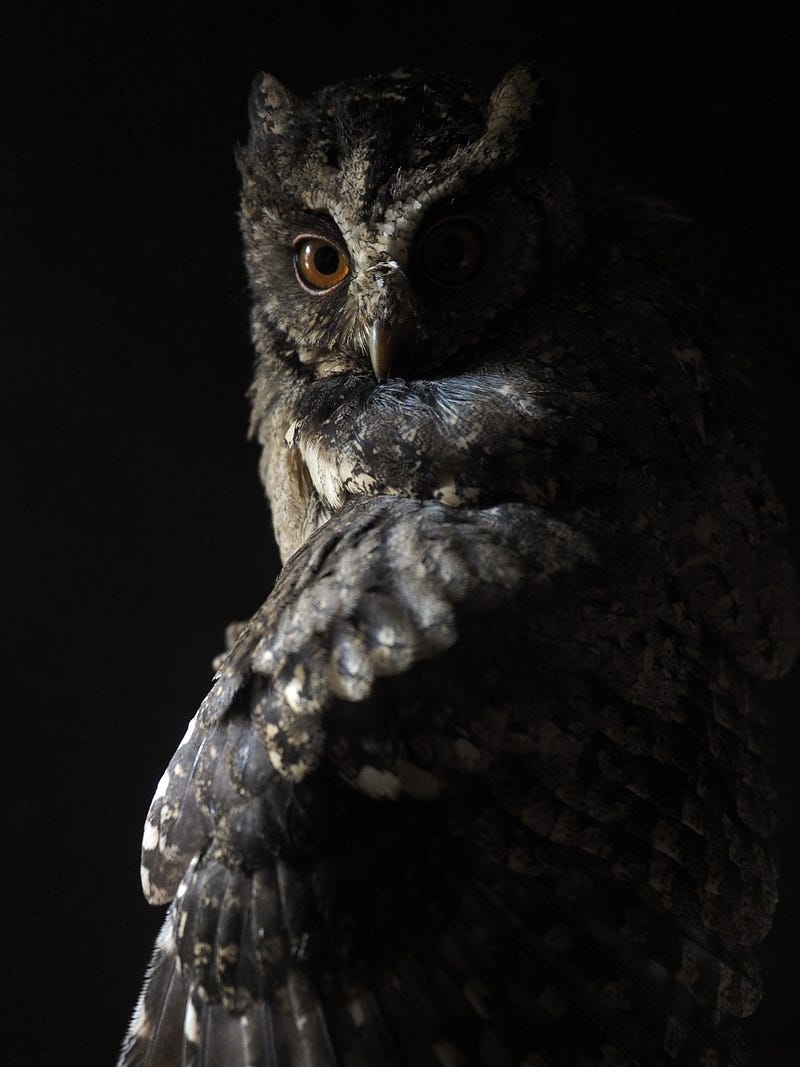
An OWL Avoids. They hate conflict, and will retreat to a pity party about how everyone else is wrong and they are right. What to do: Give them time and space, but don’t let them hide out. For people who have a great need to be right, phrases such as “You know, you do have a point,” or “You could be right here” not only reduce the pressure but create safe place for the Owl to come out of the hiding space. Make it safe to come out and talk. That means don’t add conflict or stress which will simply send them back behind closed doors. Provide small safe steps to move forward, provide acknowledgement and quite, low-key recognition. Owls do not like public fusses made about them. Slow and safe are the key words.
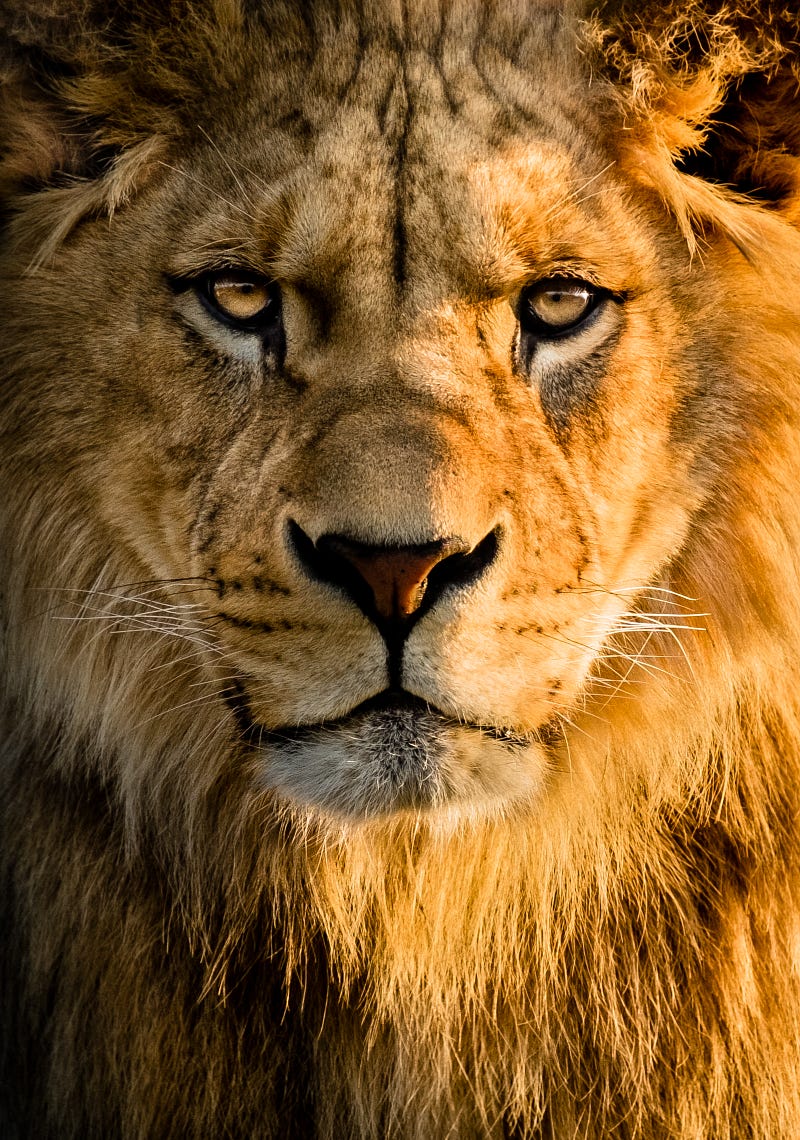
The LION becomes Autocratic. They get louder and more demanding, I’M IN CHARGE HERE. What to do: Give them something to be in charge of. They don’t need to control the whole world, they just need to control their piece of the pie. Say things like “I’d like to know what you think is best to do here,” or “Let me know how you want to handle it,” or “You can take the lead, I’d just like to see the game plan first.” Diffuse their anger by giving them the reins on something you believe they can handle. Give them a choice of some kind, so they feel more in control. Never back a lion into a corner with no options.
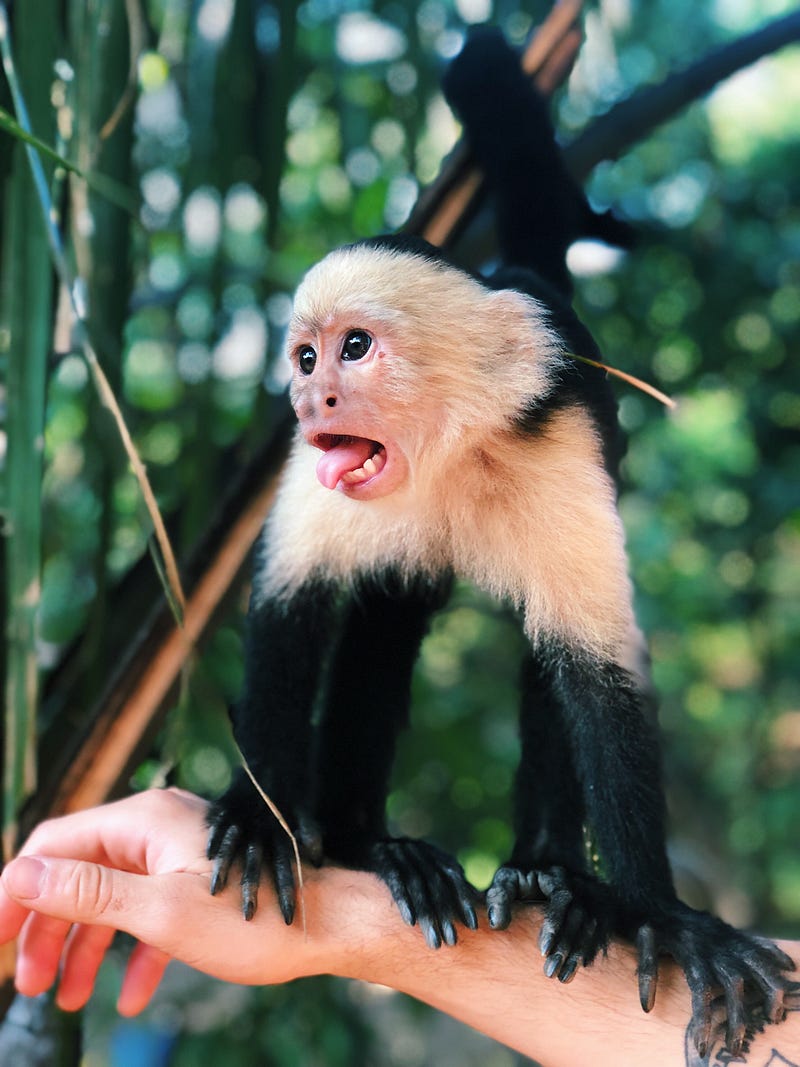
The Monkey Attacks and gets personal about it. They can use horrible YOU statements that can leave you bleeding. What to do: Keep your cool and assure them the relationship with you is still OK. Say things like, “I’m sure we can work something out,” or “I can see where you would feel that way. Would you be open to another way to look at this?” Monkeys want to be appreciated and looked up to. Give them some assurance that their status is still in place, as that’s what they are afraid of losing. When they feel important, they will throw their entire weight and then some into solving the problem (and getting applause for it).
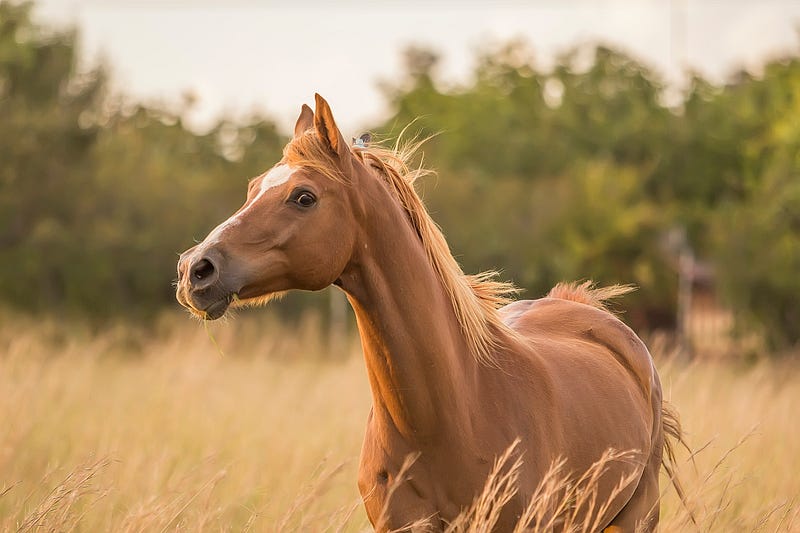
The Horse Appeases, and can become passive-aggressive. They avoid conflict at all costs to save the herd, but retribution may show up later and often as a complete surprise. What to do: Always make sure you listen to the horse’s input and contribution. They have a remarkable sense of what is fair and just, and if they feel someone (including them) is not being heard, they can explode or go underground (passive-aggressive). Say things like, “Let’s make sure we’ve heard from everyone,” or “Would you like me to be there when you have this tough conversation? I could act as a third party mediator, so you wouldn’t have to face it alone.”
But this is just the FIRST level of stress. What happens, as now, when we’re already anxious about money, family, our bodies, bills, the dentist, sex and our love handles and now Covid-19 forces us inside?
When you and I in our respective styles get overly-stressed , our behavior starts “backing up” through our neighboring styles’ stress behaviors. It’s a highly predictable “Z” pattern (see below for link), which reveals the relative level of challenge they’re feeling If you want to know when someone is in extreme stress, here’s how you can tell:
When the risk-avoiding OWL starts engaging in personal attacks.
The in-charge LION tries hard to appease and begins avoiding conflict.
The friendly, crowd-pleasing MONKEY has retreated behind closed doors and hides.
When the normally calm, collaborative HORSE gets autocratic, bossy and demanding.
These are signs that this person is close to breaking point. They are behaving like their opposite style. This is a serious bright red flag.
Please see this explanation:
https://www.brightyellowcoaching.com/blog/stresspattern
As someone who is primarily an Amiable with strong Monkey characteristics, my first stress response is to appease or work things out. If I can’t get anywhere with that, it gets personal and ugly with attacks. No relief? Then I get self-righteous and hide behind closed doors. Keep turning up the heat and I become my opposite: an autocrat, demanding, loud and solo. My absolute Nemesis, the person I most dislike and don’t want to be.
This is how stress twists us when we get no relief.
NOTE: Your primary stress style is the dead-on accurate way to tell what style you really are, no matter what your answers may have been to the quiz.
This is how I finally understood that while I self-described as a Monkey, my appeasing response to high stress labeled me primarily as a Horse, a team person. That insight was hugely helpful in my relations with others.
We see these stress behaviors on line all the time. People pushed to the limits. Most of the time we can’t tell what stage they’re in, for we don’t know them. But for those whose style we do know, we can tell just how seriously stressed out they are by seeing how they are presenting. If you’re married to an Owl who has stooped to attacking you personally, that person is very badly stressed out.
Now. What do I do to tame the zoo?
DISC has some great answers here:
http://blog.extendeddisc.org/disc-personality-styles-under-pressure
Here is the answer to the key question: How do I treat someone who is at their wits end? If I know my husband is an Owl, and he’s acting like a Monkey, which style strategy do I use?
The secret to how to respond to a style in terrible backup behavior is in their primary motivation. NOT the primary motivation of who they are under normal, calmer circumstances.
To wit: if you’ve got a Owl husband behaving like a Monkey in stress, consider the needs of the Owl.
The Owl is a solo, solitary creature concerned with getting it RIGHT. Right now, they feel nothing is right. Assure them that they are getting something right. Do not escalate and become a Monkey with them, as that is a lose/lose proposition. Keep your face neutral and your tone calm. Share facts, not opinions. That will bring the owl back down to have a real conversation.
The Horse is a herd animal, in APPEASE mode. They need immediate safety, approval, reinforcement that they’re all right and everyone around them is all right. When they are acting like a Lion in extreme stress, focus on what is working, for them and for the team. Focus on the positive, and the role they played in getting the group there. Be kind, be sincere, be calm. The Horse at their worst becomes autocratic, and they feel terrible about it. You can diffuse this quickly because they are eager to not be there.
The Lion likes being the “king” of his or her world and seeks control by being AUTOCRATIC. When they behave like a Horse and give in, they are resentful and simmering under the surface. This can be dangerous. Rise to the task with them. Look them directly in the eye, increase the urgency in your voice and be a Lion back to them. Let them know you believe they can succeed, that they have what it takes, that you’ve seen their ability and you know they can do it. Give them the self-assurance they need to get back in the saddle. They are, after all, the rider and not the Horse.
The Monkey needs APPLAUSE and for people to notice them and take them seriously. But in extreme stress, they move to justification mode and can even get monotone and throw facts out, all the while telling you your shortcomings. That is because they are feeling underappreciated and undervalued. They can talk a lot at this point, and you may need to let them vent. Don’t interrupt. When they run out of steam, let them know you appreciate them and know how capable they are, and that you’re glad they told you how they felt. You don’t have to agree with them, but you do need to validate them.
Putting this into practice
Christie explained that the best of all strategies is to watch yourself carefully. She’s a high “I” or Monkey. When she suddenly notices that she is appeasing and giving away her power, that is her first call to action. “I hate giving away my power,” she explains. “When I see myself doing that, it tells me I’m under too much stress. I can stop the progression of the backup behavior.”
This is a perfect opportunity to put these trainings to work in the petri dish of our current circumstances. Theory is utterly useless if we can’t use it to better our lives.

Your children came into the world with these preferences and proclivities already stamped into them. You’ll know right away who’s who. These stress responses work to calm them down just as effectively as they do a boss or coworker, a friend or partner.
One of my friends has two very young boys: One is the classic Owl: quiet, steady, focused, cautious and careful, with intense engineering tendencies that he displayed very early on. His big brother is a classic Lion: forceful, demanding, insistent, rough and tumble, needing to dominate. In many ways we just are what we are. How we learn to maximize and manage those tendencies has a lot to do with how happy and successful we are.
We start, as Christie does, as I do, with ourselves. Understanding our preferences, learning to watch our behavior, and learning to better self-manage under stress. It’s what we’re all probably feeling right now. When you and I can be kinder to ourselves and back down the pattern inside us, we are far more caring, competent and capable of doing this for our loved ones.
If you’ve been through this training, I might recommend revisiting it. If you’ve trained it yourself, time to share the wisdom with your friends and family. This stuff works to reduce our anxious behaviors. They can make us all better friends, family members and coworkers.
Note to Christie: Do NOT stress out learning Zoom. I can’t figure it out either. Let’s find ourselves an Owl. Maybe we can borrow Harry Potter’s.