Understanding Floods: Impacts of Heavy Rain on Homes, Infrastructure, and Agriculture
Floods represent one of the most devastating natural disasters, often triggered by heavy rainfall, wreaking havoc on communities, infrastructure, and agricultural lands. Across the globe, regions prone to heavy rainfall face the perennial threat of flooding, underscoring the urgent need for proactive measures to mitigate its impacts.
The Wrath of Heavy Rainfall:
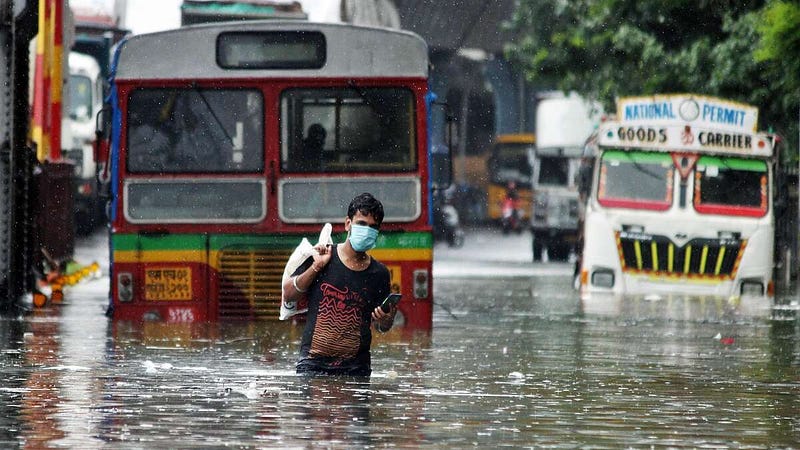
Heavy rainfall, particularly during intense storms or prolonged periods, can overwhelm natural drainage systems and rivers, leading to the overflow of water onto land. This overflow, combined with factors such as topography, soil conditions, and human development, contributes to the occurrence and severity of floods.
Homes Under Siege:

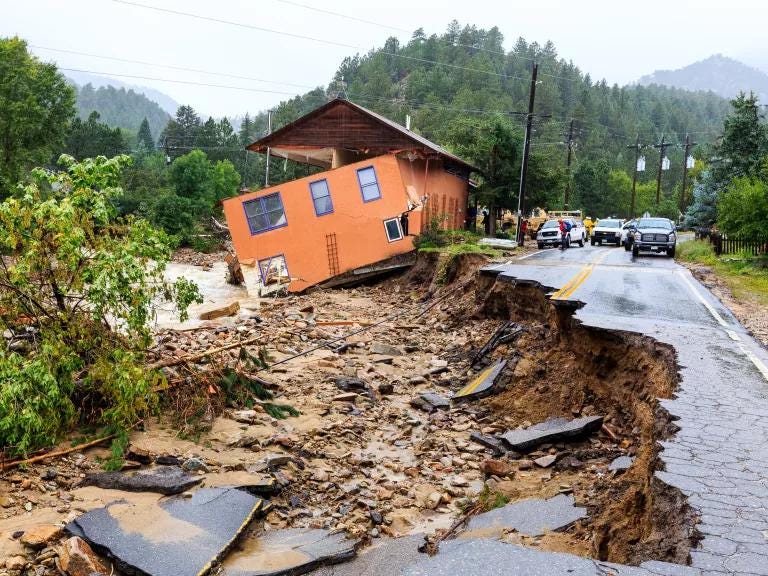
One of the most immediate and poignant impacts of flooding is the damage inflicted upon homes and communities. Floodwaters intrude into residential areas, submerging houses, and displacing families. The damage extends beyond the physical structure, often causing irreparable loss of belongings, memories, and a sense of security. Furthermore, the aftermath of flooding can leave homes vulnerable to mold, structural instability, and long-term health risks.
Infrastructure in Peril:
The onslaught of floodwaters poses significant challenges to infrastructure, including roads, bridges, and utilities. The force of rushing water can undermine foundations, erode roadways, and compromise the integrity of critical transportation networks. Furthermore, inundation of infrastructure can disrupt essential services such as electricity, water supply, and communication systems, exacerbating the crisis and impeding rescue and recovery efforts.
Agricultural Devastation:
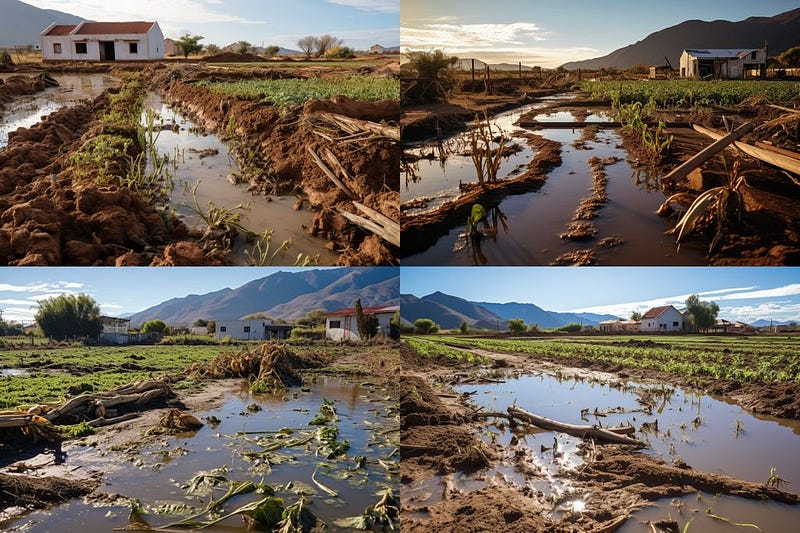
Agricultural lands bear the brunt of flooding, with soil erosion, waterlogging, and crop damage wreaking havoc on livelihoods and food security. Excessive rainfall saturates the soil, rendering it unfit for cultivation and causing crops to rot or drown. The loss of crops not only impacts farmers' incomes but also disrupts supply chains, leading to price fluctuations and food shortages in affected regions.
Mitigation and Adaptation:
Addressing the impacts of floods requires a multifaceted approach that encompasses prevention, preparedness, and response strategies. Investments in flood control infrastructure, such as levees, flood barriers, and drainage systems, can help mitigate the risks associated with heavy rainfall. Additionally, zoning regulations and land-use planning can minimize exposure to flood-prone areas and promote resilient development practices.
Community Resilience:
Building community resilience is paramount in confronting the challenges posed by floods. Education and awareness programs empower individuals and communities to understand the risks associated with flooding and take proactive measures to safeguard their homes and livelihoods. Moreover, early warning systems and emergency preparedness initiatives enable timely evacuation and evacuation, reducing the loss of life and property during flood events.
End word’s
The impact of heavy rain leading to flooding is profound and far-reaching, affecting homes, infrastructure, and agricultural lands. As climate change intensifies weather patterns and increases the frequency and severity of extreme rainfall events, the need for comprehensive flood management strategies becomes increasingly urgent. By investing in resilient infrastructure, promoting sustainable land-use practices, and fostering community resilience,p Ok llîp societies can mitigate the impacts of flooding and build a safer, more resilient future for all.