
Understanding Auras: Exploring the Science and Spiritualism Behind Human Energy Fields
The concept of aura, a subtle field of energy said to surround and emanate from living beings, has fascinated humanity for centuries. While traditionally associated with spiritualism and metaphysics, recent advancements in science have begun to shed light on the phenomenon of human energy fields. In this article, we delve into the multifaceted nature of aura, exploring both its scientific underpinnings and its spiritual significance.
The Aura in Spiritual Traditions
Across various cultures and spiritual traditions, the aura is believed to be a manifestation of the subtle energy that animates all living things. In Hindu and Buddhist philosophy, the aura is known as the “prana” or “chi,” representing the life force that flows through the body and connects it to the universe.
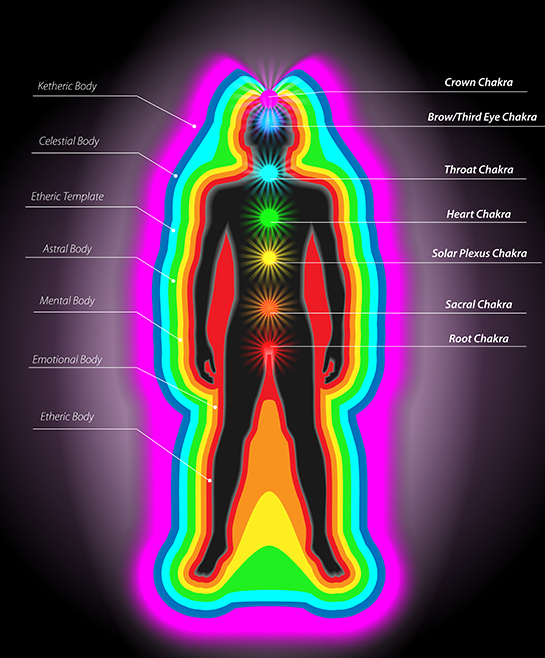
Similarly, the concept of aura is prevalent in ancient Egyptian, Greek, and Native American traditions, where it is associated with health, vitality, and spiritual enlightenment.
Scientific Perspectives on Aura
While the existence of aura has long been regarded as a matter of faith and belief, scientific research has begun to provide empirical evidence for the phenomenon of human energy fields.
Techniques such as bioelectromagnetic imaging, Kirlian photography, and biofeedback have enabled scientists to detect and visualize the subtle electromagnetic radiation emitted by the human body. These studies suggest that the aura may be linked to physiological processes, emotional states, and overall well-being.
Bioelectromagnetic Fields and the Human Body
At the heart of the aura phenomenon lies the complex interplay between bioelectromagnetic fields and the human body. Every cell in the body generates a weak electromagnetic field as a result of biochemical processes and electrical activity.
These bioelectromagnetic fields interact with one another to form a coherent and dynamic energy matrix that surrounds and permeates the body, giving rise to the aura. While the exact mechanisms underlying aura formation are still the subject of ongoing research, it is clear that bioelectromagnetic fields play a central role in shaping our energetic anatomy.
The Role of Intuition and Perception
In addition to its physiological basis, the perception of aura is also influenced by intuition, sensitivity, and psychic abilities. Individuals who are highly empathic or spiritually attuned may be more adept at perceiving subtle energy fields and interpreting their meaning.
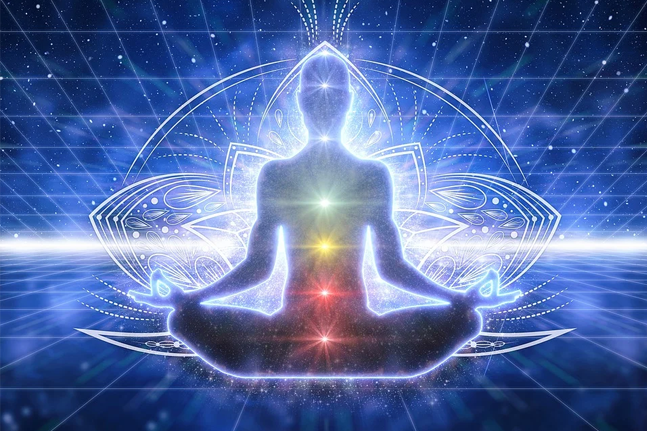
This intuitive understanding of aura often transcends rational explanation and relies on subjective experiences of sensation, emotion, and intuition. While skeptics may dismiss aura perception as mere fantasy or delusion, for many, it is a deeply personal and profound aspect of their spiritual journey.
Practical Applications and Healing Modalities
In spiritual and holistic healing traditions, the aura is believed to reflect the overall health and vitality of an individual, serving as a diagnostic tool for assessing imbalances and blockages in the energy system.
Techniques such as aura cleansing, chakra balancing, and energy healing are used to restore harmony and flow within the aura, promoting physical, emotional, and spiritual well-being. While these practices may vary in their cultural and philosophical foundations, they share a common belief in the interconnectedness of mind, body, and spirit and the importance of nurturing our energetic essence.
Conclusion
The concept of aura embodies the intricate interplay between science and spirituality, blending ancient wisdom with modern understanding. While scientific research continues to unravel the mysteries of human energy fields, the perception of aura remains a deeply personal and subjective experience, shaped by intuition, sensitivity, and cultural beliefs. Whether viewed through the lens of physics or metaphysics, the aura serves as a powerful symbol of our interconnectedness with the cosmos and the infinite potential that lies within each of us.


