
Uncovering The Secrets Of The Natural World: Exploring The Wonders Of Nature
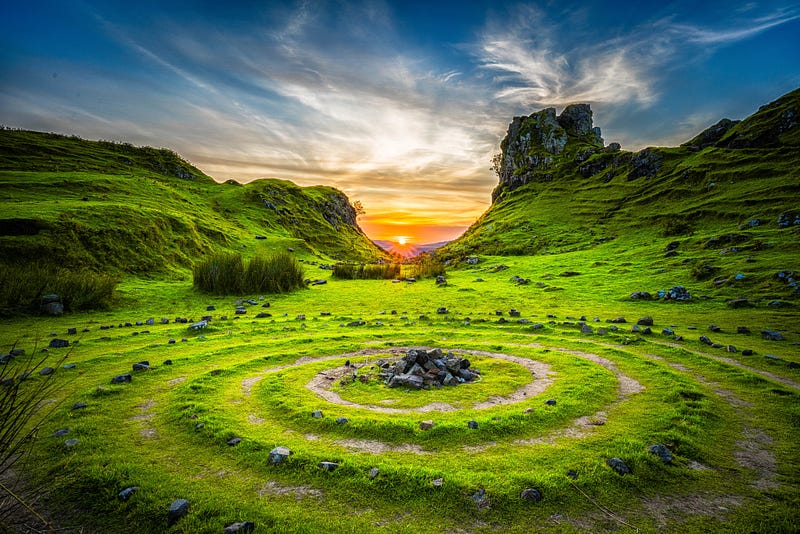
Strolling through parks, forests, and scenic areas featuring serene lakes and birds can equip the body with effective defenses against anxiety, stress, and depression. The act of unwinding mentally in a natural setting prompts the body to, both of which are vital components of the nervous system’s efficient operation in a natural manner.
The rich life of plants and animals in the natural environment
- The presence of plants is critical for ensuring the survival of life on the planet. Using photosynthesis, they produce the organic substances required for their nourishment. The potential chemical energy stored in the man-made organic compound is a result of the accumulation of solar energy. This energy is eventually released in various forms of biological energy. The existence of animal and human life depends on this reserve of energy. Plants unleash the oxygen required for breathing through the process of photosynthesis. Plants serve as crucial sources of basic materials for a wide range of industries, including food, textiles, cellulose, rubber, furniture, sugar, and pharmaceuticals. In addition, they are utilized in the production of medications, perfumes, and wine. There are different types of plants including those used for feeding animals, those that produce a sugary substance called honeydew, and those which have medicinal properties. Plants yield crucial medicinal compounds, and the use of herbal infusions is widely prevalent in healthcare;
- Wild animals that are not captive have a significant impact on maintaining ecological equilibrium. The individuals responsible for spreading seeds and pollen to cultivate trees also consume plants, facilitating the circulation of nutrients and regulating the numbers of various species. The extinction of species leads to significant outcomes that include the depletion of biodiversity, a decline in the planet’s genetic diversity, a reduction in natural resources and food variety, a weakened self-regulation of ecosystems, and a hastened extermination of other living creatures;
- The significance of safeguarding the environment is common knowledge. Put differently, it is crucial to acknowledge the significance of environmental preservation. In pursuit of a better quality of life, individuals often inflict damage on the environment. In the current period of progress, the natural world is confronted with numerous forms of devastation. It is imperative to take measures to ensure that the situation does not deteriorate further than its current state. Hence, there has been a global emergence of consciousness toward safeguarding the environment. Environmental degradation on this planet can be attributed to various factors such as excessive population growth, high levels of illiteracy, and rampant deforestation. Out of all the creatures on the planet, humans are the only ones who actively participate in the deterioration of our environment.
The mysterious realm of the deep oceans
- The subject of ocean depths is both intriguing and enigmatic. Gaining knowledge about the intricate marine ecosystems and the creatures that thrive in the depths of our oceans offers us unparalleled insight into the intricate and diverse nature of our planet. As our knowledge of the oceans and their depths increases, our understanding of their crucial role in preserving the equilibrium and well-being of our planet also deepens. Despite the inhospitable environment of the deep depths, a plethora of living beings has successfully adapted to the dark and cramped conditions. Living organisms at tremendous depths depend on chemosynthesis wherein certain organisms transform chemicals in water into energy. Large quantities of water are propelled across vast distances by the influence of winds and fluctuations in salt levels within the oceans. The tides in the sea are affected by the fluctuations of the Moon, causing a periodic increase in the water level. The world’s oceans harbor an abundance of surface and deep currents that flow like colossal conveyor belts. Over a period ranging from several hundred to thousands of years, the waters of Earth’s oceans undergo thorough blending.
The music orchestrated by nature’s sounds
- Therapists and psychologists have assisted their clients in recognizing the impact of nature’s melody on their emotions and soul for an extended period. You have the opportunity to explore and modify these observations to fit your circumstances as well. Consider listening to the soothing sounds of flowing water, such as those from a serene waterfall, artesian fountain, or tropical paradise, to calm intense emotions like restlessness, envy, irritation, and rage. Picture the mind being purified and polished to perfection just as the flowing water cleanses and brightens the stones in a river. Similarly, a gentle whisper of a cool breeze has the power to rejuvenate exhausted and muddled thoughts;
- We can tap into nature’s healing energy by simply listening to her and paying attention to the messages she’s sending us. Nature communicates with us through various vibrations, including the sound of crashing waves, bird songs in the forest, winds whistling, rain pouring, and the soft rustling of leaves. Once incorporated, these sounds create a sense of balance and tranquility within the mind and body. The utilization of the sounds of nature can serve as a genuine means of therapy to promote relaxation and overall well-being;
- Communication is primarily reliant on sound in the realms of creatures such as birds, animals, fish, and even insects and plants. In areas where humans do not interfere with nature, plants grow in a well-balanced manner, resulting in their contentment. Conversely, plants also produce particular sounds. During the process of plant growth and development, specific low-frequency sound waves known as infrasounds are produced. Grass swaying in the wind produces a distinct rustling noise that is equivalent to a storm in the auditory world of plants.