Uncovering the Plagiarism: Does Chat GPT Plagiarize?
AI content, how to measure plagiarism score? 12+ FREE Detectors
Plagiarism is a serious concern in the world of content creation and academic work. It is the act of using someone else’s work or ideas without proper attribution.
With the rise of artificial intelligence (AI) and natural language processing (NLP), chat GPT has gained popularity as an AI tool for generating text that is human-like and coherent.
But does chat GPT have the potential to plagiarize existing content?
What is plagiarism in the context of chat GPT?
Understanding the concept of plagiarism
In its simplest form, falsification is the act of using someone else’s work, ideas, or words without giving proper credit. It is considered unethical and can lead to serious consequences, including a damaged reputation and legal issues. Plagiarism can take different forms, such as copying and pasting directly from a source, paraphrasing someone else’s work without citation, or using someone else’s ideas without acknowledgment.
AI TL;DR
Use chatgpt, an AI language model developed by OpenAI, to generate text by learning patterns from a large dataset. There are concerns that the content generated by ChatGPT might inadvertently resemble or replicate existing works, leading to unintentional plagiarism. However, the AI itself cannot commit plagiarism, as it lacks intent and knowledge of specific sources.
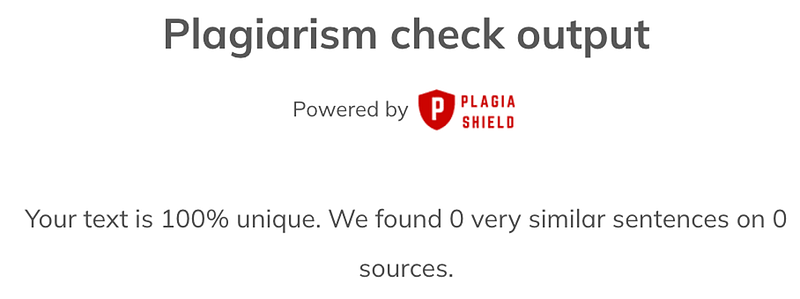
Chatgpt Plagiarism Free. Plagiarism detection in AI-generated content like ChatGPT’s outputs poses a challenge. Traditional plagiarism checkers may struggle as they are designed to detect verbatim matches or closely paraphrased content, whereas AI writing tools generate unique outputs not directly sourced from specific works. Therefore, there is a need for advanced detection tools that can effectively analyze AI content.
While using AI tools like ChatGPT, users need to ensure that they avoid unintentional plagiarism by providing clear instructions and properly attributing any referenced sources. Ethical implications of using AI-generated content should also be considered, and human involvement and oversight remain crucial in maintaining originality and academic integrity. Despite the concerns, ChatGPT is a powerful tool and can be a valuable asset when used responsibly.
How does it relate to chat GPT?
Chat GPT is an AI-powered language model developed by OpenAI. It uses a large corpus of training data to understand and generate human-like text based on user inputs. While chat GPT is designed to generate original content, there have been concerns about the possibility of plagiarism in the text it generates. The AI algorithms behind chat GPT have the potential to incorporate phrases or sentences from the training data into the generated text, which could lead to unintentional plagiarism.
Exploring the concerns about plagiarism with chat GPT
One of the main concerns about chat GPT and falsification is the difficulty in detecting AI-generated content. Traditional plagiarism detection tools like Turnitin rely on comparing the submitted text with existing sources to identify similarities. However, these tools may struggle to detect plagiarism in AI-generated content because it is not based on existing sources but rather on a combination of training data. This makes it challenging to determine if the text generated by chat GPT is original or plagiarized.
How does chatGPT generate plagiarism free content?
Understanding the AI-powered content generation process.
Chat GPT relies on artificial intelligence and natural language processing to generate content. It uses a language model that has been trained on a vast amount of text data to understand and predict the most likely sequence of words based on the input provided. The model generates text by considering the context of the input and predicting the next word or phrase. This process allows chat GPT to generate coherent and human-like responses.
Exploring the role of language models in chatGPT
The language model used in chat GPT is a key component of its content generation process. The model is trained on a diverse range of texts, including books, articles, and web pages, to learn patterns and language structure. By analyzing this training data, the model gains knowledge about grammar, vocabulary, and sentence construction. However, the vast amount of training data also increases the risk of unintentional plagiarism, as the model may reproduce phrases or sentences from the training data without proper attribution.
Is chat GPT capable of producing original content?
Chat GPT is designed to generate original content based on the input provided by the user. The training process aims to ensure that the model learns to produce coherent and contextually appropriate responses. While chat GPT can generate text that appears to be original, there is the possibility that it may unintentionally include phrases or sentences from the training data, leading to potential plagiarism. Therefore, it is crucial to understand the limitations of AI-generated content and the need for human oversight to maintain originality.
Can chat GPT plagiarize existing content?
Exploring the potential for plagiarism in chat GPT-generated text
As mentioned earlier, the potential for plagiarism in chat GPT-generated text lies in the model’s ability to reproduce phrases or sentences from the training data. The input provided by the user serves as a starting point for the content generation process, but the model’s output is not solely based on that input. It draws on the knowledge gained from the training data, which may include copyrighted or protected content. This poses a risk of unintentional falsification if the generated text closely resembles existing content.
How can plagiarism be detected in AI-generated content?
Detecting plagiarism in AI-generated content is a challenging task. Traditional plagiarism detection tools may not be effective in identifying similarities between AI-generated text and existing sources because the generated text is not directly sourced from those existing sources. However, new developments in AI-based plagiarism detection tools are being explored. These tools use advanced algorithms and techniques to analyze the structure and patterns in AI-generated content and compare them against a wide range of sources to determine if plagiarism has occurred.
Plagiarism Detection:
Comparing chat GPT’s plagiarism detect capabilities with tools like Turnitin
Unlike tools like Turnitin, chat GPT does not have built-in plagiarism detection capabilities. Its main purpose is to generate text based on the input provided by users. While it has the potential to produce original content, it falls upon the users to ensure that the generated text is free from plagiarism. Users can use external plagiarism detection tools like Turnitin to check the generated content for similarities with existing sources and ensure its originality.
Here is a list of free online tools to check plagiarism:
3. Turnitin
5. https://plagiarismdetector.net/
7. https://searchenginereports.net/
8. https://www.plagscan.com/en/
10. https://www.paperrater.com/
11. https://www.duplichecker.com/
12. https://www.plagiarismchecker.co/
These tools can help you check for plagiarism in your written content and ensure its originality. Each tool may have its own limitations and features, so it’s recommended to explore them and choose the one that best suits your needs.
Addressing concerns about plagiarism when using chat GPT
Ensuring the proper use of GPT to avoid chat gpt plagiarize
To avoid plagiarism when using chat GPT, it is crucial to understand and follow ethical guidelines for content creation. Users should provide clear instructions to the model and avoid inputs that may lead to the production of plagiarized content. Additionally, cross-checking the generated text using external falsification detection tools can help ensure originality and protect against unintentional plagiarism.
How to deal with AI-generated content and plagiarism allegations
If faced with plagiarism allegations related to AI-generated content, it is essential to assess the validity of the claims. Providing evidence of the model’s training data and the steps taken to ensure originality can help refute the allegations. Transparency in disclosing the use of AI tools like chat GPT can also help in addressing any concerns about the authenticity of the content.
Is chat GPT an effective tool for maintaining originality in content?
Chat GPT, when used responsibly and with human oversight, can be an effective tool for maintaining originality in content creation. Although there are concerns about the potential for unintentional falsification, users can take precautions such as providing clear instructions, using external plagiarism detection tools, and ensuring proper attribution of sources to mitigate the risk. Ultimately, human involvement and oversight remain crucial in upholding the standards of originality in content creation.
Can chat gpt generate plagiarized content?
Detecting plagiarism with chat GPT As an AI tool, chat GPT does not have an inherent plagiarism detection system. It generates text based on the patterns and information it has learned from its training data. However, it does not have knowledge of specific sources or the ability to cross-reference the content it generates with existing works to identify possible instances of plagiarism.
Plagiarism score for chat GPT Since chat GPT lacks a built-in plagiarism detection mechanism, it does not provide a direct infringement score for the generated text. Users of chat GPT should take additional steps to ensure the originality and authenticity of the content generated with the tool.
Using chat GPT as a plagiarism checker While chat GPT is not designed to be a plagiarism checker, it can still serve as a useful tool to generate original content. By using chat GPT responsibly and ensuring that proper citations and attributions are included where necessary, users can minimize the risk of unintentional plagiarism and create quality, unique content.
How to use chat GPT for generating plagiarism free content?
Ensuring AI-generated content is plagiarism-free To generate plagiarism-free content using chat GPT, it is essential to follow best practices. These include providing clear instructions to the AI model, avoiding copying and pasting existing works directly, and properly attributing any referenced sources.
Using chat GPT responsibly It is crucial to use chat GPT responsibly and ethically. While the AI model can provide valuable insights and generate content, it is the responsibility of the user to verify the accuracy and originality of the generated text. Proper review, editing, and citation practices should be followed to ensure the content’s integrity and authenticity.
Chat GPT and the importance of originality Originality is a fundamental aspect of any content creation process. While chat GPT can assist in generating ideas and content, it is essential to add unique perspectives and insights to ensure the originality and value of the final product.
Can chat GPT be detected as AI-generated content by tools like Turnitin?
Detecting AI-generated content with Turnitin Turnitin and similar plagiarism detection tools rely on comparing submitted text against a vast database of existing sources. As chat GPT generates text based on its training data, which includes various sources, there is a possibility that it may resemble existing content. However, the detection of AI-generated content by tools like Turnitin could vary depending on the specific implementation and methods used by these tools.
Chat GPT and its impact on plagiarism detection tools Chat GPT presents challenges for plagiarism detection tools, as it can produce original and contextually relevant content that may not be easily flagged as plagiarized. The unique nature of AI-generated text poses a challenge for existing plagiarism detection algorithms designed to identify verbatim matches or close paraphrasing.
Challenges in detecting plagiarism when using chat GPT The use of chat GPT introduces new complexities to plagiarism detection. While there may be similarity in content generated by chat GPT and existing sources, distinguishing intentional plagiarism from unintentional similarities can be challenging. Plagiarism detection tools need to evolve to adapt to the changing landscape of AI-generated content.
What are the ethical implications of using chat GPT for content generation?
Human-like AI and ethical concerns The development of human-like AI models like chat GPT raises ethical concerns regarding the use of AI-generated content. As the line between AI-generated and human-generated content becomes increasingly blurred, it is essential to consider the ethical implications of using AI tools for content creation.
Ensuring proper attribution with chat GPT Proper attribution and citation play a crucial role when using chat GPT. It is essential to give credit to the original authors and sources when incorporating their ideas or works into the content generated by chat GPT.
The role of artificial intelligence in content creation Artificial intelligence, including natural language processing models like chat GPT, has revolutionized the field of content creation. While the technology offers numerous benefits, it also necessitates an ongoing discussion on ethical guidelines and responsible usage to maintain the integrity and originality of the content produced.