
Unconventional Therapies — Laughter Yoga, Horseback Therapy, and More!
A unique approach to healing that can complement or even replace traditional treatments.
In a world where traditional medicine and psychology are often the go-to solutions for mental and physical health issues, it’s easy to overlook the alternative healing modalities that push the boundaries of what we think is possible.
Unconventional therapies, such as laughter yoga and horseback therapy, offer unique approaches to healing that can complement or even replace traditional treatments.
Explore some of these unconventional therapies and examine the science behind their effectiveness.
Laughter yoga, also known as hasyayoga, combines laughter exercises with yogic breathing techniques to create a unique healing experience. This unconventional therapy was developed in 1995 by Dr. Madan Kataria, an Indian physician, and his wife, Madhuri, a yoga teacher. The practice involves simulated laughter exercises, deep breathing, and gentle stretching.
Laughter yoga is based on the belief that voluntary laughter can provide the same physiological and psychological benefits as spontaneous laughter. It has been shown to reduce stress, improve mood, and boost the immune system. Additionally, laughter yoga can help to improve social connections, as participants often laugh together in a group setting.
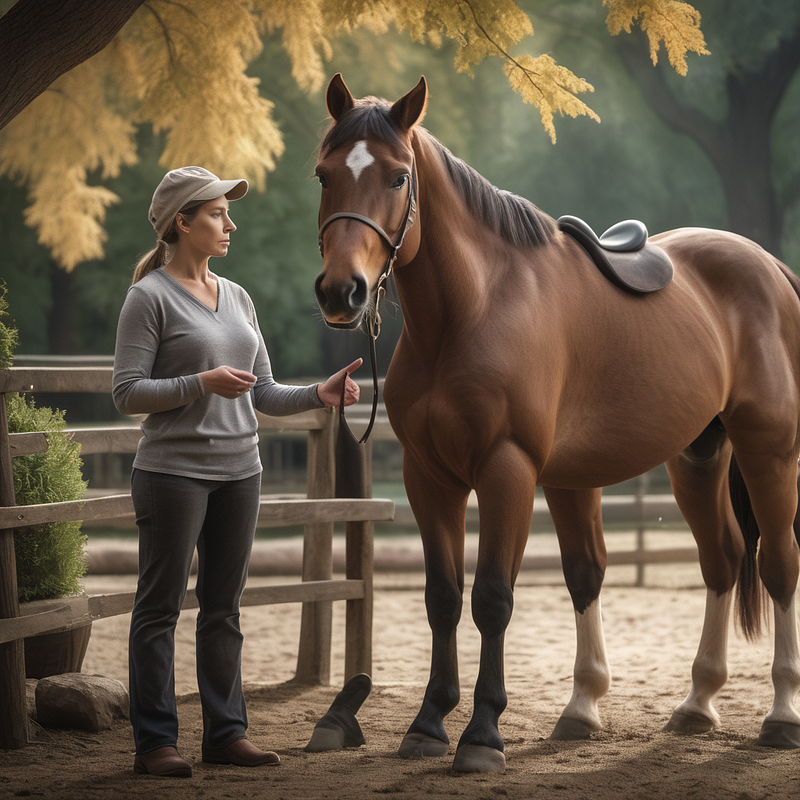
Horseback therapy, or equine-assisted therapy, is a form of alternative healing that involves working with horses to promote physical, emotional, and mental well-being. This unconventional therapy has been used to help individuals with a range of issues, including physical disabilities, mental health disorders, and developmental delays.
Equine-assisted therapy can help to improve balance, coordination, and muscle strength. Additionally, working with horses can provide a sense of accomplishment and self-esteem, as well as improve social skills and emotional regulation. The bond formed between the individual and the horse can also be therapeutic, providing a sense of comfort and companionship.
Floatation therapy, also known as sensory deprivation therapy, involves floating in a pool of saltwater in a dark, soundproof environment. The high salt concentration allows the body to float effortlessly, while the absence of external stimuli promotes relaxation and stress reduction.
Floatation therapy has been shown to reduce stress, anxiety, and depression, as well as alleviate symptoms of chronic pain. The combination of weightlessness and sensory deprivation can also help to improve sleep quality and increase creativity.
Crystal healing is an alternative therapy that involves the use of crystals and gemstones to promote physical, emotional, and spiritual well-being. Practitioners believe that each crystal has unique properties and energies that can be harnessed to balance the body’s energy centers, or chakras.
Crystal healing can be used to treat a range of issues, including physical pain, emotional distress, and spiritual imbalances. By placing specific crystals on or around the body, practitioners aim to restore balance and promote healing.
Sound healing is an alternative therapy that uses vibrations and frequencies to promote relaxation and healing. This unconventional therapy can involve the use of singing bowls, gongs, tuning forks, or even the human voice.
Sound healing has been shown to reduce stress, anxiety, and depression, as well as improve sleep quality and boost the immune system. The vibrations and frequencies can also help to balance the body’s energy centers and promote spiritual growth.
Forest bathing, also known as Shinrin-yoku, is a Japanese practice that involves immersing oneself in nature to promote physical, emotional, and spiritual well-being. This unconventional therapy involves spending time in a forest or natural environment, taking in the sights, sounds, and smells of the surroundings.
Forest bathing has been shown to reduce stress, anxiety, and depression, as well as improve cognitive function and boost the immune system. The practice can also help to increase feelings of connectedness to nature and foster a greater appreciation for the environment.
Unconventional therapies offer a unique approach to healing that can complement or even replace traditional treatments. From laughter yoga to horseback therapy, these alternative healing modalities push the boundaries of what we think is possible and provide a wealth of benefits for those who are willing to explore them. By embracing these unconventional therapies, we can open ourselves up to new possibilities for healing and personal growth.