Unbinding the bondage of religion
Introduction
Let’s talk about your religion, faith, or beliefs. Of course, many of you will enter this article with your own belief structure and conditioning.
For instance, the majority of you will be willing to engage further with this article because the subject of religion is a very common and open one that invites and welcomes all.
Others will conclude, “This article may attempt to subject my faith or beliefs” and, from that assumption, “I am intrigued and would like to read further” from a defensive perspective.
What is interesting is that I mentioned that religion invites and welcomes all.
But that particular faith does not welcome the teachings or beliefs of another, so isn’t that faith—the one that rejects—the result of those who accept?
So where do we draw the line between what we believe and what we accept if we are all accepted by our saviours?
It is sensible to assume that the one who preaches or affirms their beliefs is a result of pathological thinking and engagement with their personas.
“My” Identification with “my” religion
We must learn to allow our thoughts and words to be rested, and to burn in our egos so they can be ingested.
It is then that the body can be fueled by the energy generated as a result of the digestion of the ego’s misdirection.
On the contrary, the misdirection is not false, bad, wrong, or right; it is because of this awareness that I have found myself in all that has been presented to me.
This could be the answers that one has been seeking from questions one has voiced, and thus, the conclusion to this article, if you are willing to look without choice.
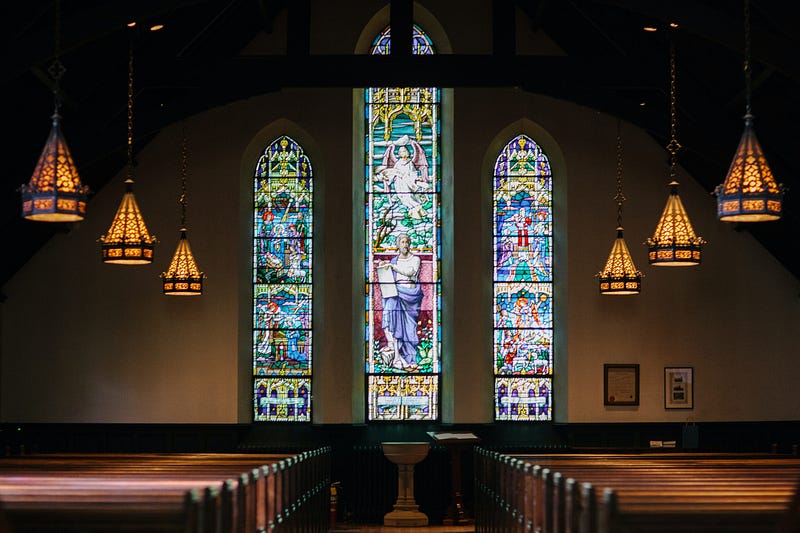
But while entering the temple or the house of God with those thoughts, there begins the involvement of the mind, and it starts the process of its patterns and conditioning prior to what is seen.

For example, I know my god is real because of the years of repetition and experiences with ceremonies, events, wording, scriptures, and texts that make me feel connected to something.
It must be understood that the word something means an object, situation, quality, or action that is not actually known or stated.
which means everything, everywhere, is some-thing until the observer states it as so.
That “something” is everything, and therefore your god, his faith, or her belief, but we do enjoy identifying with our labels, don’t we?
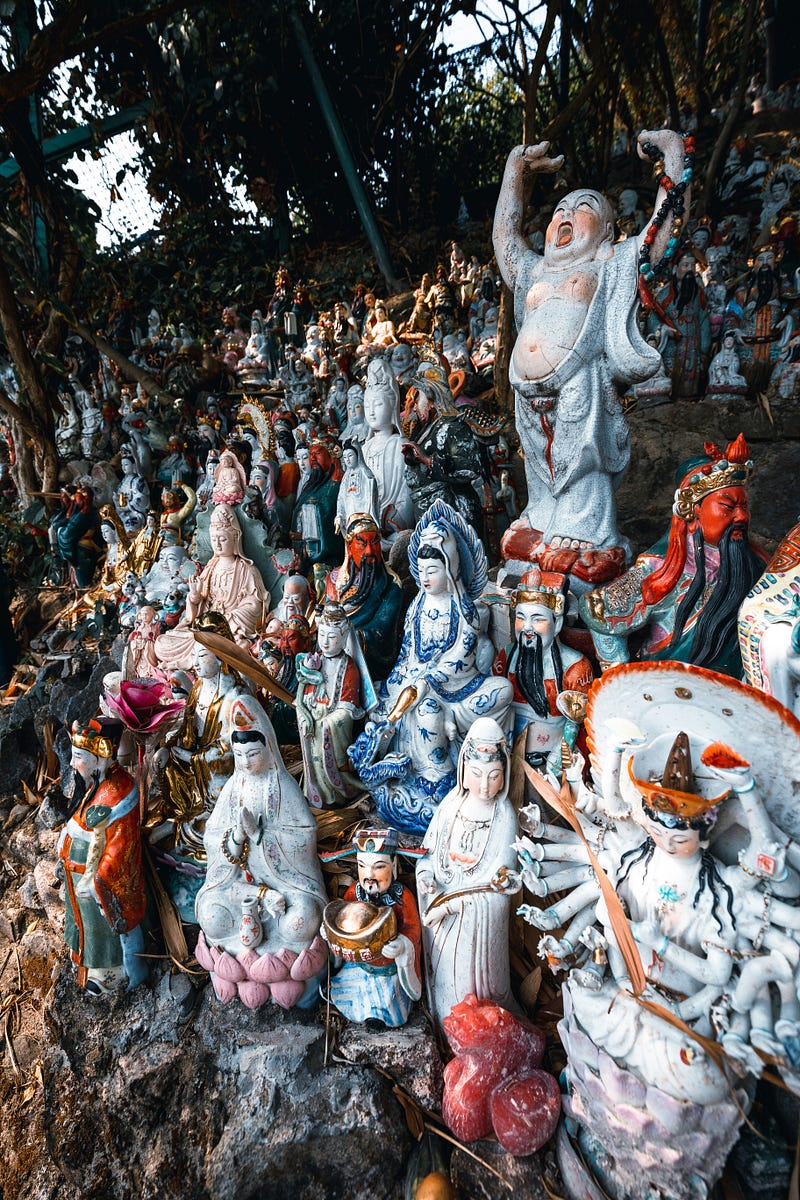
Remember, we are humans; we need to identify things, events, or experiences through seeing, touching, or reading to give them life, tangibility, meaning, or purpose, or it isn’t real, and if it isn’t real to me, it isn’t so.
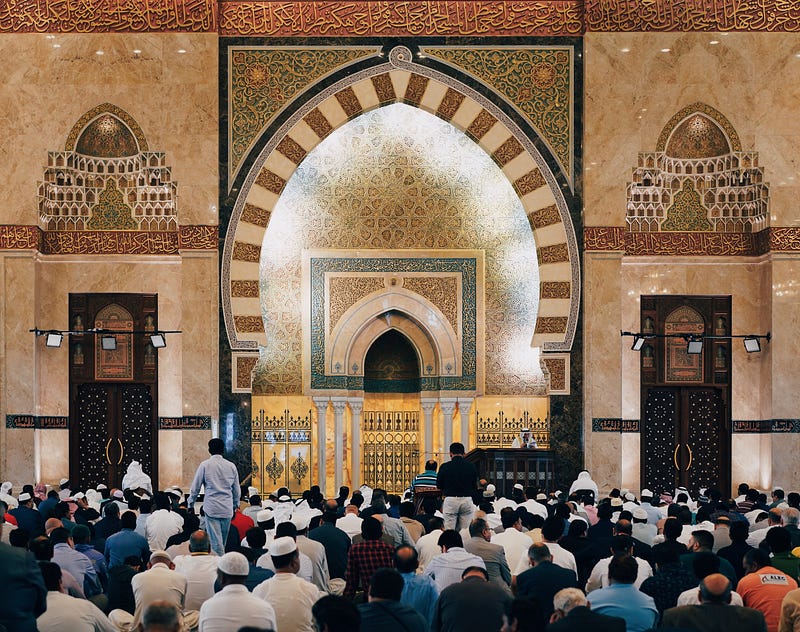
It is also imperative that a large collective feels the same, or if not, we are left alone in the dark. We need to affirm who we are or where we are going; otherwise, we are no one doing nothing, lifeless, dead, or barren.
This is vital for the ego to communicate with its environment, as it needs to think, and therefore…“I am”.
When I say vital, I mean you need to authorize your identity by opening up to those experiences or examples in your life, whether you requested them or not.
Your attention or request has unconsciously permitted your experiences, events, and culture to shape who you are today.
I hear you say, “Well, it is who I am; what else can I be or do?”
I reply, Look at your fellow man, woman, and child; aren’t we all alike or human? You will answer with an obvious expression, “Of course, yes."
I will then reply, “So, if that’s the case, then our different lives and various experiences that identify us as different should result in who we become, what we do, and ultimately who we are now.
There is your answer: you are everyone, everywhere, all at once, but you have chosen to believe you are that particular “something” instead of all of those things.
If you “put” your mind to it, you can achieve and be anything and everything you desire, but if you “let” your mind to it, then you will be that which the mind is taught, not what it “can” be taught.
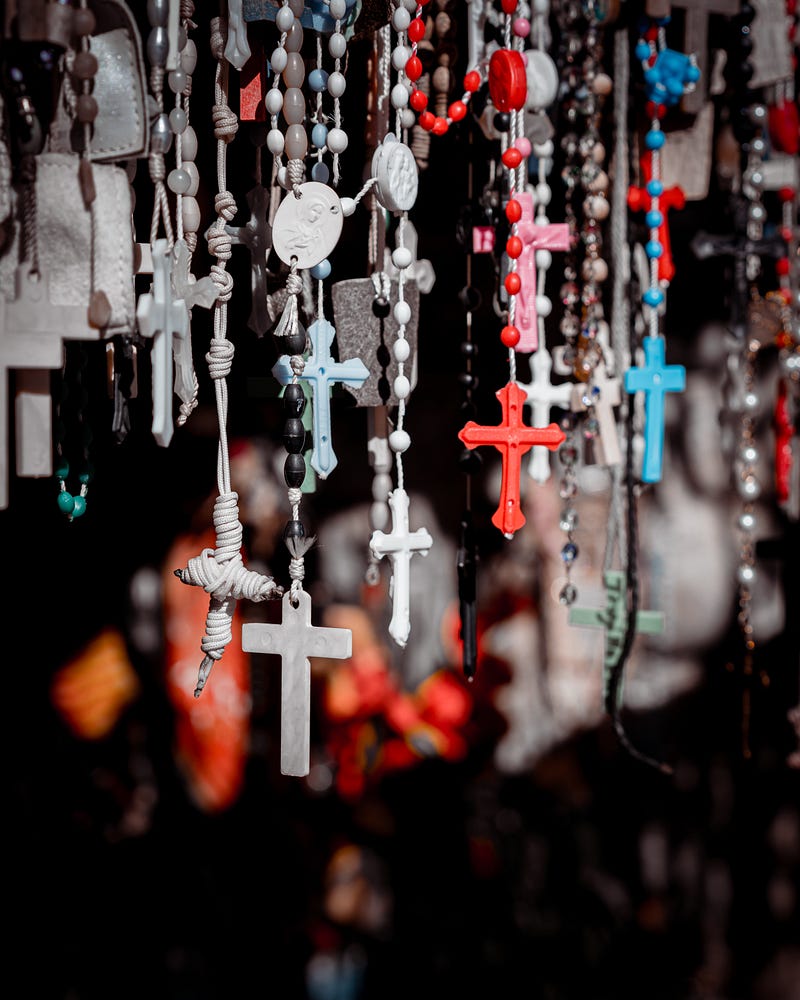
From this perspective, it feels wise to say that we are afraid of death, and all we do is a result of that fear, which sits up on a pedestal, decorating our homes and accessorizing our bodies to be admired but inspiring us away from an ego that has to be expired.
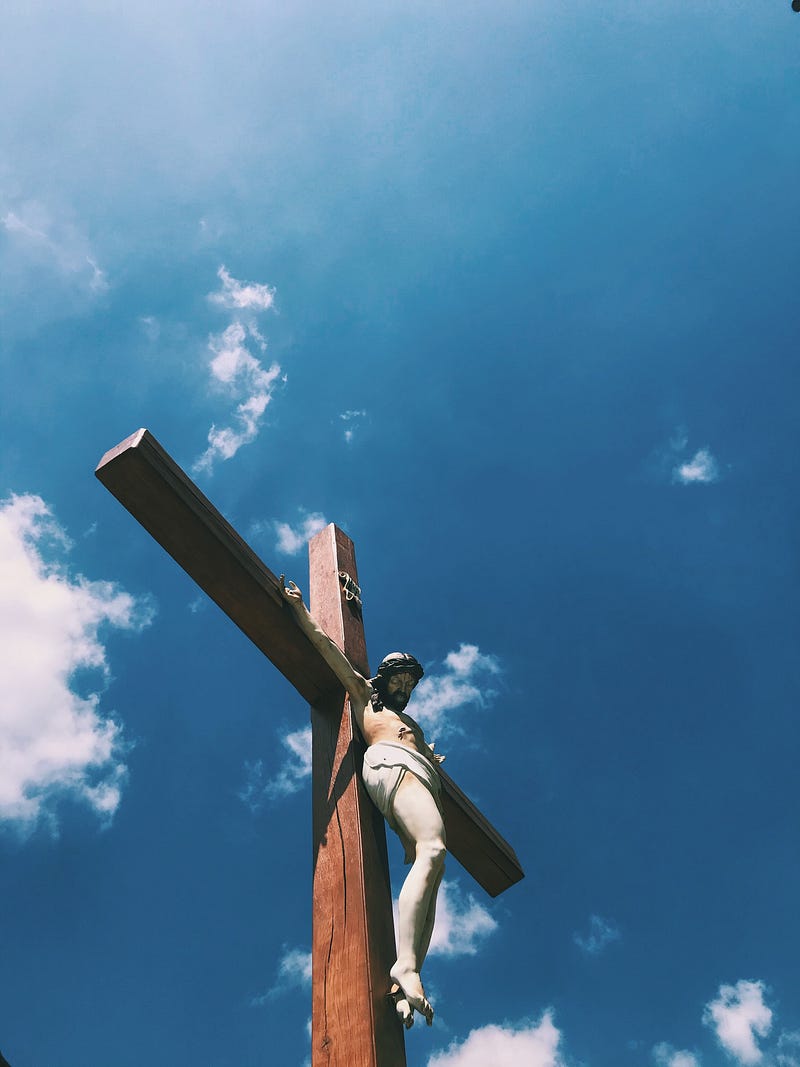
Meditation, prayer, yoga, or self-inquiry is like death to the everyday man, woman, and child, and for thousands of years, we have made a phenomenal amount of effort to make life fun, tangible, and visually interesting, and religion, faith, or belief sits on a shelf with all our other idols, possessions, desires, and entertainment pleasures.

We then assign a day or time when we take the truth from the shelf, where we apologize for our sins and request our desires.
We then only find ourselves returning to temptation with an ample amount of options to choose from on the shelf of sin.

Unbinding the bondage
The Latin word for religion is religiare, which means to bind up.
Religion can either be a form of bondage to systems and structures, rules and rituals, or it can be to “bind” us closer together—to God and each other.
It seems from the above that we also can’t draw the line between what religion is, but we collectively and unconsciously commune with both.
This binding madness, if you are willing to see it, stifles humans and grows strong attachments like the unwanted roots in our garden that return year after year.
The only way to get rid of our roots is to get to the root itself.
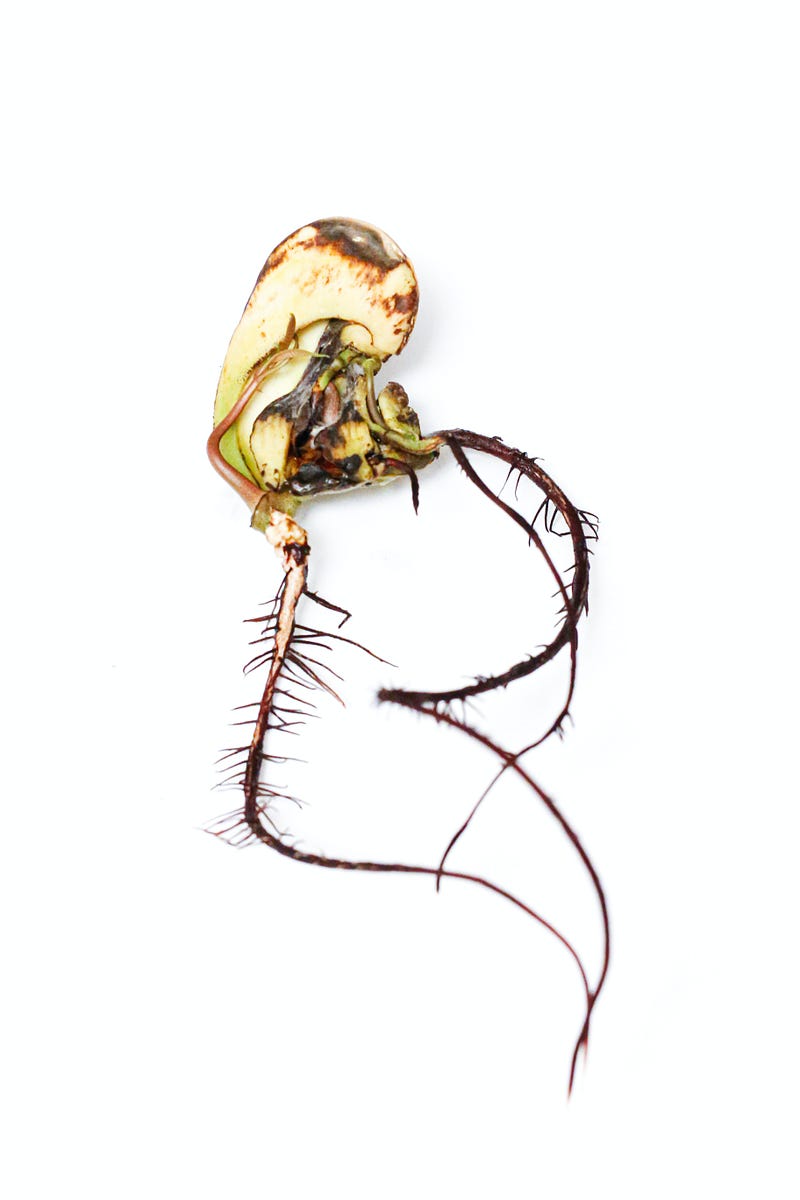
If we continue with these practices of right and wrong, preference or rejection, it leaves no room for fellow brothers and sisters to hear the truth without the dictation of their preachers, speakers, and peers.
In other words, how can one grow if the roots are not pulled or the soil is not turned to cultivate new growth and truth?
And if I accept mine and reject yours, then our children will continue the battle we have left behind for them.

Love is the only religion; love for all, irrespective of the observer's conditioning, beliefs, or circumstances.
Love cannot be systematized, institutionalized, controlled, or duplicated.
Love is the one source that accommodates us all and our surroundings at this present time, and regardless of our actions, perspectives, or beliefs, it does not reject and push us away as a result.
Hence, we are still here, learning and shaping from our mistakes
I appreciate everyone who approached this article with an open mind. I hope you have collected enough drifted wood to build your own raft home and navigate the perilous waters of everything that is and everything that you are not.
I am sending love, peace, and happiness to you and all your loved ones.