
Unbelievable Cold Case Breakthrough: Identifying a Pregnant Woman Decades Later | True Crime
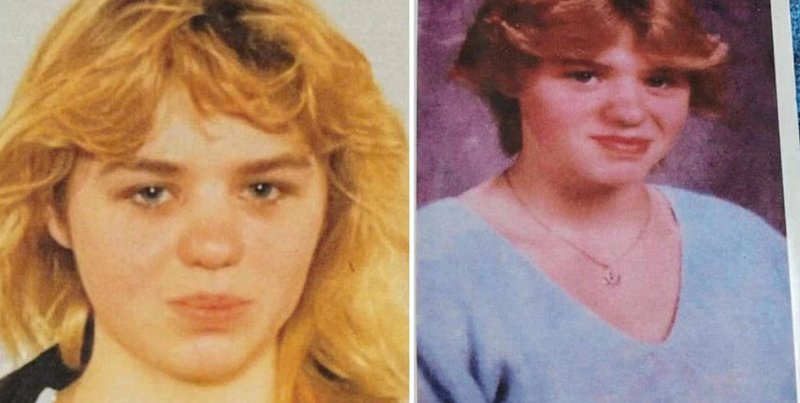
In a case that remained shrouded in mystery for over three decades, the collaborative efforts of forensic experts, law enforcement agencies, and DNA technology have finally given a name to a pregnant woman who was found deceased under tragic circumstances. The story of Tabetha Ann Murlin, whose remains were discovered in a flooded basement in Fort Wayne, Indiana, in 1992, encapsulates not only the sorrow of an unresolved case but also the relentless pursuit of justice and closure for the families involved.
On May 15, 1992, a construction worker, amidst renovations at a local home, stumbled upon a harrowing scene: a body, wrapped in a blanket, in a basement surrendered to floodwaters. The body was in an advanced state of decomposition, rendering immediate identification or determination of cause of death impossible. The Allen County Coroner’s Office, led by Dr. Jon Brandenberger, embarked on an investigation that would span years, initially burying the then-unnamed woman, referred to as Mary Jane Doe, in Lindenwood Cemetery.
The case, despite initial efforts by the Fort Wayne Police Department, eventually went cold. The identity of the pregnant woman, as well as the circumstances of her death, remained a mystery. She was thought to have died sometime between 1991 and early 1992, based on the condition of her remains.
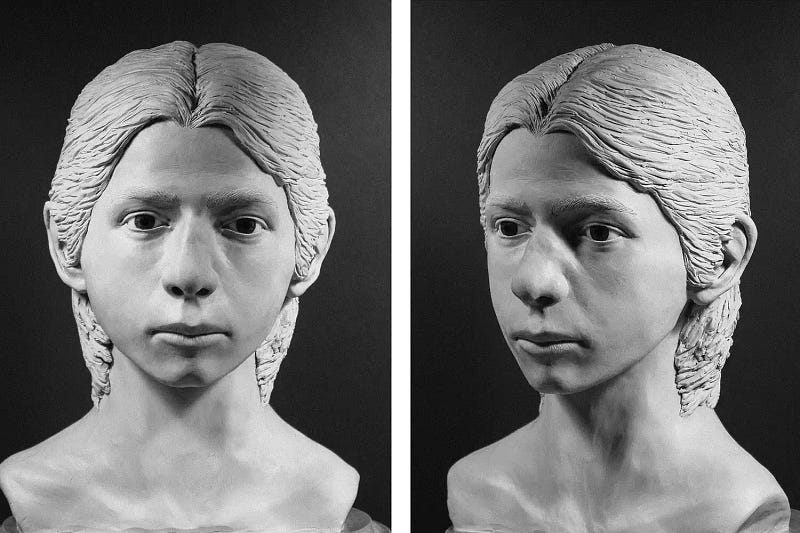
In 2016, the case found new life as it entered the National Missing and Unidentified Persons System, leading to the exhumation of the body in 2017 for DNA testing. This effort was part of a larger movement towards utilizing advanced forensic technology to solve cold cases. A femur bone was sent to the University of North Texas’ Center for Human Identification, and a DNA profile was created. Although this did not immediately lead to identification, it laid the groundwork for future breakthroughs.
By 2023, forensic companies Intermountain Forensics and Ignite DNA sequenced the DNA, leading to a match with Tabetha’s father, Robert Bowers, her late mother, and two aunts. This pivotal moment brought long-awaited answers to a family that had lost contact with Tabetha since 1988.
Tabetha Ann Murlin, identified decades after her death, was remembered as a woman who had a family, a life, and was pregnant at the time of her demise. The revelation of her identity brought profound emotions to the surface, particularly for her father, Robert Bowers, who had harbored hope that his daughter was still alive. The identification process also underscored the importance of DNA technology in bridging the gaps left by time and decomposition.
The investigation into Tabetha’s life prior to her death revealed a fragmented family narrative, including her separation from her husband, Jerry Murlin, in 1988. Despite their separation, the couple had not filed for divorce by the time she was reported missing, adding layers of complexity to an already intricate case.
With Tabetha’s identity restored, the focus shifts to unraveling the circumstances of her death. Her brother, Robert Bowers Jr., expressed gratitude for the answers provided thus far but emphasized the need to understand what happened to Tabetha. The investigation remains active, with all involved parties committed to uncovering the truth.
The community’s support has been instrumental in these efforts, as demonstrated by a GoFundMe campaign launched to fund a new headstone for Tabetha, acknowledging her and her unborn child’s place in the world, even in death.
The identification of Tabetha Ann Murlin after 32 years is a testament to the advancements in forensic science and the unwavering determination of both her family and the investigators involved. While the discovery brings a certain degree of closure, it also opens a new chapter in the quest for justice. It is a poignant reminder of the countless unnamed victims still waiting to be found and the enduring hope of families seeking answers. In remembering Tabetha, we are reminded of the importance of perseverance, the value of technology in solving cold cases, and the enduring need for closure that haunts those left behind.
Please make sure to follow me and subscribe if you’re interested in reading more true crime and mystery articles. It would help me more than you think!