
Ultimate Guide to Becoming a Software Developer
A definitive guide to transitioning into software development

Whether you are thinking that “Developer” should be part of your job title or you are just starting on the path to software success, there is no better time than now. Software development is one of the fastest growing fields with a projected growth rate at 22% in next five years.
According to Salary Guide, Robert Half
“Salaries for jobs like mobile applications developer and software developer will see increases of nearly 8%, and tech salaries overall will see a 5.6% increase. While most salaries in other sectors will grow, on average, it will be only 3.7%.”
So one thing is for sure, a career in software development is in demand and has an overwhelmingly positive outlook. Now lets see what you need to do to become a software developer.
Set Your End Goal
You must be thinking. What’s my next step? Whether you’re just starting out to learn code or switching from another career it can be a little daunting and uncertain at first. Its really important to set your goal.

Whether you’re passionate about creating games, mastering front-end development or building mobile apps, you should have a clear vision in your mind about what you want to achieve. I’m saying this because of Software Development is like a huge ocean, some people might say learn cloud computing, learn mobile development, learn Dev-Ops the list goes on and on. So It can become a little overwhelming and you end up learning nothing. In my experience you should pick one area. For instance front-end development and master it and then gradually branch out to other domains.
Learn the Basics of Software Development
Now that you have a clear goal in your head, start with learning the basics. Some suggestions to get you started.
- What is Software?
- What does a Software Developer do?
- What are algorithms? and how do you write them?
- How to create flow charts? and represent your algorithms as flow charts.
- What is the difference between front-end and back-end development?
Learning the basics will give you a general perspective about software development and will help you in the long run.
Select a Solid Programming Language to Learn
When starting out, people get stuck in deciding which language to learn. C++, Ruby on Rails, Java, C#? So many choices, little time. The focus here should be understanding the fundamental concepts of programming. Once you have a solid foundation, you can easily transition to new languages, frameworks, and technologies.
With all of this said, you may ask then what language should I learn? . You should start with an easier language such as C++ or Ruby on Rails. These languages will build a good foundation for you to develop on. Then when you have developed a good grasp on the fundamental concepts of programming you can progress to a language that resonates with your goal. For example if you what to become a front-end developer learn HTML, CSS and JavaScript, and then progress to JavaScript libraries like jQuery, React etc.
Develop Develop Develop!
As the popular saying goes
Practice makes a man perfect
It is vital that you practice coding. Just learning the language will not help you much, what will help you is how you use the language to solve problems. In order to apply the skills learned you need to practice and practice.

After just 10 hours of practice you can’t become a software developer, its not possible, like any skill the more you practice the better you get. A good way to practice is by experimenting with your code, and see what happens or try to write the program in a different way. For example if you wrote a program with a for loop, try reversing the loop or maybe rewrite the program using a while loop. By playing around with your code, you will get a better understanding of how the language works and it will also solidify your programming concepts.
Participate in Forums
Code forums like Stack Overflow, Microsoft forums and others are a great place to enhance your coding skills. Not only you can get answers to problems that you may be facing, but you can also help other new developers by trying to solve their problems. By participating in forums you will also be able to learn pro’s & con’s of using one approach instead of the other, hence improving the overall quality of your code and also learning the best practices to use while coding.

Use Git and GitHub
Get in the habit of using git and GitHub. Not only git is a highly popular tool used in the industry but at the same time its really helpful in maintaining changes and different versions of your code. Git is an essential skill for every developer.
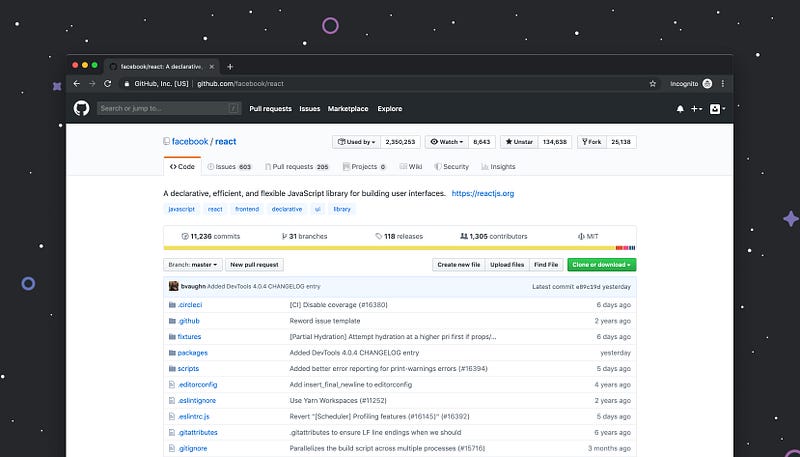
What ever code you create, use git to track changes and also upload your repositories to GitHub. This will help you in creating a portfolio of your projects and will be helpful in showcasing your skills.
As GitHub is an open source platform, you can contribute to other developers project. By contributing to open source project you will be able to read others code and also hone your own coding skills.
Work on a Side Gig
Just learning a language on its own isn’t enough, you have to put your skills to use and solve problem — like all other software developers do. Working on projects is great way to apply your skills. Start a personal project, may be create your own website, or create a solution to a problem you or someone else is having. Working on projects, you not only further your learning, you also show potential employers that you have what it takes to solve real world problems.

Last but not Least “Build your Professional Network”
As you learn to code, build projects, etc., you should be slowly but surely developing your professional network. It takes more than just applying for jobs online (which alone is just a waste of time these days). To get the edge you need to have a strong professional network in place. LinkedIn is the way to go. Follow leaders in the industry, participate in discussion and posts and connect with like minded people. The goal is to interact with people connected to companies you’d like to work for, which builds connections and sometimes leads to real interviews.
Becoming a software developer isn’t easy, but if you are passionate and determined anything is achievable. If you’re willing to put in the time and effort required you can become a great software developer.


