
Ukraine Reports Staggering Russian Losses: Over 7,000 Troops and 98 Tanks in One Week!
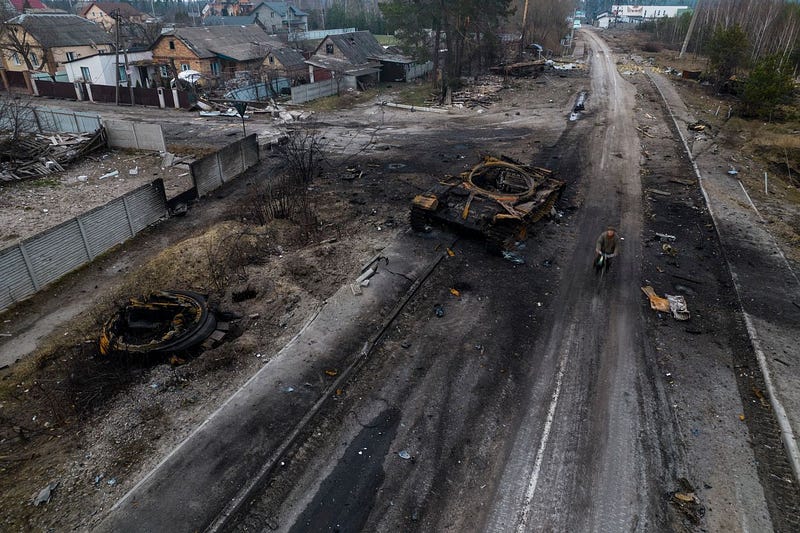
The recent figures released by Ukraine’s military, indicating Russia’s substantial losses of nearly 7,000 troops, 98 tanks, and over 200 artillery systems in just the past week, illuminate the intense and costly nature of the conflict as it drags on. These losses, as reported, add to a staggering total of 416,800 Russian troops, 6,640 tanks, and 10,188 artillery systems since the onset of hostilities in February 2022. Such numbers, while difficult to independently verify, offer a glimpse into the war’s devastating toll on Russian military capabilities and morale.
The methodology behind Ukraine’s calculation of these losses, incorporating both combat fatalities and non-combat circumstances, remains opaque. Yet, experts like Nick Reynolds, a research fellow for land warfare at the Royal United Services Institute, find these tallies plausible given the war’s scale and intensity. This perspective aligns with statements from British armed forces minister James Heappey, who estimated Russia’s casualties around 350,000, excluding mercenaries, highlighting the significant impact of the conflict on Russian forces.
Despite the challenges in verifying casualty figures, the reported numbers reflect the extensive resources and personnel Moscow has committed to the conflict. The Kremlin’s reticence in disclosing its military losses contrasts with Kyiv’s sporadic updates on its own casualties, further complicating the picture. Moscow’s claims of Ukrainian losses, including the assertion of almost 1,000 Ukrainian soldiers killed in 24 hours, underscore the tit-for-tat nature of the information war accompanying the physical conflict. Ukrainian President Volodymyr Zelensky’s acknowledgment of 31,000 Ukrainian military deaths, alongside U.S. estimates of 70,000 killed and up to 120,000 wounded, paints a grim picture of the human cost on both sides.
A quick heads-up: Medium’s been tweaking its algorithms and it’s getting trickier for my stories to land in your feed. So, if you enjoy my work, please make some noise! Hit that clap button, light up the highlights, or drop a comment. Every interaction helps keep the stories flowing. Thanks for your support!
The strategic situation on the ground continues to evolve, with Russia pressing its offensive in eastern and southern Ukraine, achieving territorial gains in areas like the Donetsk region’s former Ukrainian stronghold of Avdiivka. Following this, Russian forces have captured several villages, including Stepove, Lastochkyne, and Sieverne, indicating a methodical push westward. Concurrently, Ukraine’s defense efforts have repelled multiple Russian attacks, particularly around the locales of Orlivka and Berdychi, showcasing the dynamic and fluid nature of front-line engagements.
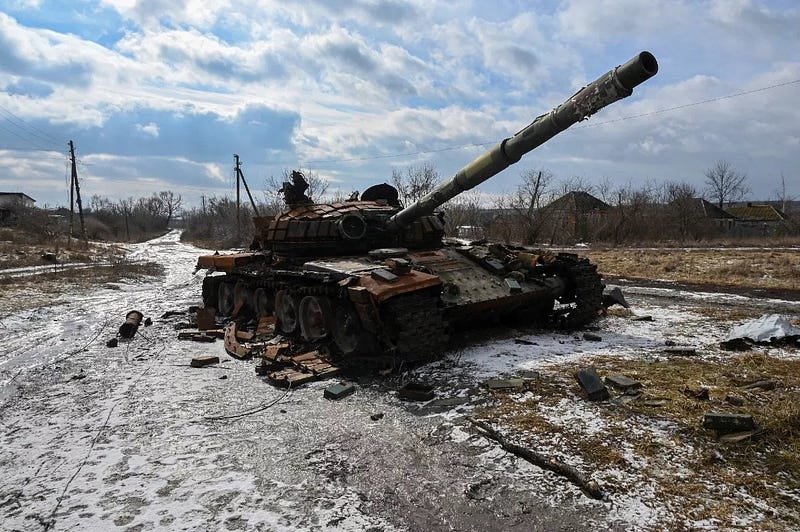
The Institute for the Study of War (ISW) has observed Russian advances in central and eastern Orlivka and near Kreminna, highlighting Moscow’s strategic commitment to offensive operations in this sector. This concerted effort, described as a “cohesive multi-axis offensive operation,” suggests a calculated Russian strategy aimed at exploiting any perceived weaknesses in Ukrainian defenses before the arrival of additional Western military aid.
In the broader context, the conflict’s trajectory remains uncertain, with both sides incurring significant losses while international dynamics and military aid continue to influence the course of events. The stark figures and evolving front lines underscore the war’s complex nature, blending traditional military operations with modern warfare’s strategic and informational aspects. As the conflict continues, the toll on both personnel and equipment will likely remain a critical factor in shaping its outcome, with implications far beyond Ukraine’s borders.
The toll on Russian and Ukrainian forces reveals not only the immediate impact of military engagements but also the strategic depth each side employs to sustain its efforts. The significant losses reported, particularly in terms of personnel and heavy equipment, reflect the intense attritional nature of this war, where ground is gained and lost at a severe cost. The ISW’s analysis, pointing to Russian operational adjustments and gains, particularly in the vicinity of Kreminna and towards the Dnieper River, highlights the fluidity and unpredictability of the battlefield dynamics.
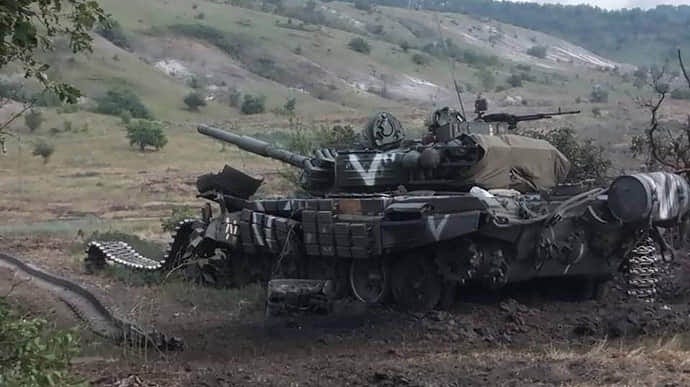
The contrasting narratives around casualties and territorial gains, as presented by both Russian and Ukrainian sides, underline the broader informational warfare at play. This aspect of the conflict, where each side seeks to shape perceptions and morale through strategic communication, is as crucial as the physical engagements on the ground. The international community’s response, particularly the support extended by Western nations to Ukraine, reflects the geopolitical significance of the conflict, transcending regional security concerns and touching upon the fundamental principles of sovereignty and territorial integrity.
Furthermore, the reported figures and ongoing military operations reflect deeper strategic objectives. For Russia, the sustained offensive despite substantial losses may aim to solidify its claims and alter the geopolitical landscape in its favor. For Ukraine, resisting Russian advances and reclaiming territory serves not only to defend its sovereignty but also to assert its position on the international stage, garnering further support and reinforcing its national identity.
The continued Western backing, manifested through military aid and diplomatic support, underscores the broader alignment against Russian aggression. However, this support also entails a delicate balancing act, as escalating involvement risks broadening the conflict’s scope, potentially drawing in NATO and leading to a more extensive confrontation.
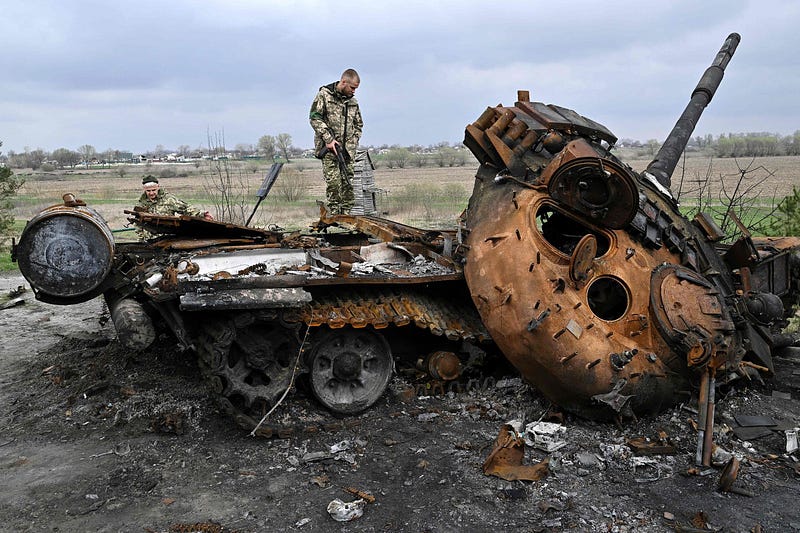
As this conflict unfolds, the military and strategic calculus of both Ukraine and Russia remains under intense scrutiny. The toll in human lives and material underscores the war’s brutal reality, while the strategic maneuvers and territorial gains point to the enduring complexity of modern warfare. This conflict, set against the backdrop of historical tensions and contemporary geopolitical rivalries, continues to shape the international order, challenging assumptions about power, resilience, and the pursuit of peace in a deeply interconnected world.
In conclusion, the Ukraine-Russia war, with its significant casualties, strategic operations, and geopolitical implications, represents a critical juncture in post-Cold War international relations. The outcome of this conflict will likely have far-reaching consequences for regional stability, NATO-Russia relations, and the international community’s approach to sovereignty and territorial disputes. As both sides continue to navigate the uncertainties of warfare, the international community must grapple with the challenges of supporting Ukraine, deterring further aggression, and seeking a resolution that respects international law and human rights.