
Ukraine Counters Russian Aggression: Downfall of 9,000 Artillery Units and 200 Drones!
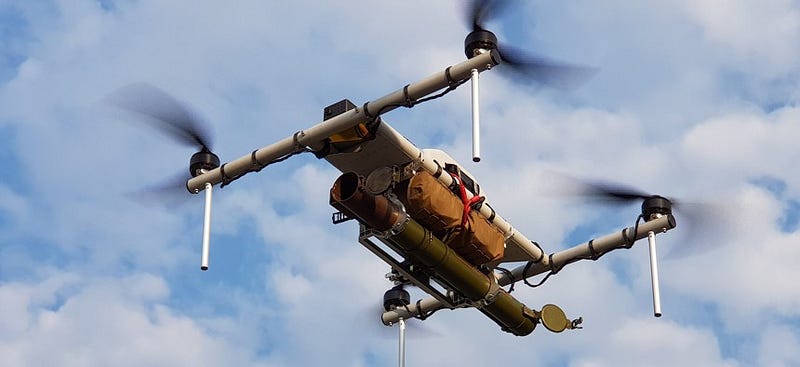
The recent news of Russia losing 61 artillery systems and 200 drones in a single day to Ukrainian forces is not just a significant military setback for Moscow but also a defining moment in warfare. This article aims to delve into the nuances of this conflict, exploring how technology, strategy, and resilience are shaping the war’s trajectory.
The Ukraine-Russia war, now in its third year, is evolving into a battleground where traditional and modern forms of warfare intersect. The loss of artillery systems – over 9,000 since the beginning of the conflict – signifies a decline in the effectiveness of conventional warfare methods. This decline is paralleled by the rise of drone technology, as evidenced by Ukraine’s success in downing a substantial number of Russian UAVs.
Artillery, a long-revered kingpin of military operations, is now sharing the stage with advanced technology. Ukrainian forces are adapting rapidly, employing both traditional and innovative methods to counter the Russian onslaught. This hybrid approach is not just a matter of necessity but a strategic choice, reflecting the depth of military thinking and adaptability on the Ukrainian side.
The interception of 200 Russian drones in a single day is a testament to Ukraine’s evolving defense strategy. These drones, once considered auxiliary tools, have now become central to the conduct of war. The Ukrainian forces, under the leadership of figures like Brigadier General Oleksandr Tarnavskyi, have showcased an ability to neutralize these modern threats effectively.
A quick heads-up: Medium’s been tweaking its algorithms and it’s getting trickier for my stories to land in your feed. So, if you enjoy my work, please make some noise! Hit that clap button, light up the highlights, or drop a comment. Every interaction helps keep the stories flowing. Thanks for your support!
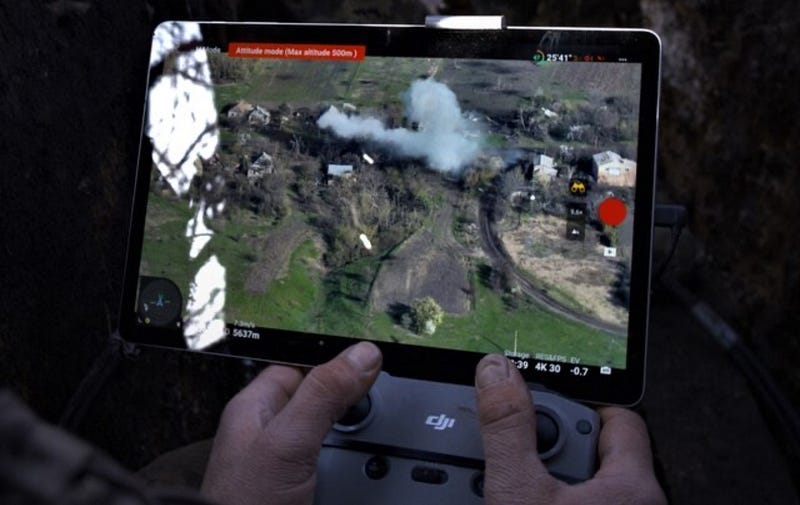
As we analyze the ongoing conflict, it’s crucial to understand the role of technology in altering the warfare landscape. The introduction of first-person-view (FPV) drones by Ukrainian forces is a game-changer. These drones are not just surveillance tools but are increasingly being used in offensive operations, demonstrating their versatility and strategic value. The use of FPV drones in targeted attacks against Russian strongholds marks a shift in military tactics, moving away from traditional heavy artillery to more agile and precise methods.
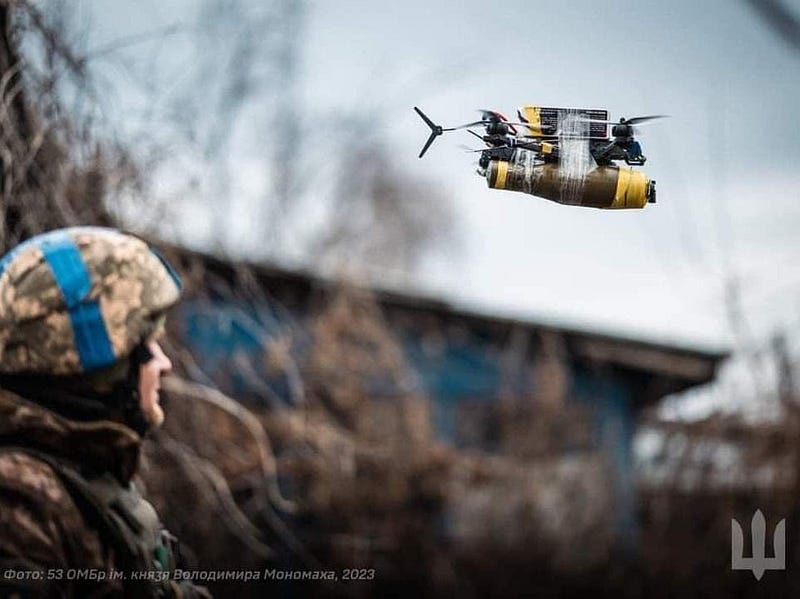
This technological shift is not without its challenges. The sheer number of drones employed by Russia, as reported by Ukrainian commanders, indicates a disparity in resources. However, Ukraine’s innovative use of technology, despite these challenges, speaks volumes about their strategic acumen and resilience.
The war in Ukraine is more than a territorial conflict; it’s a crucible where the future of warfare is being forged. The integration of technology with traditional military tactics is not just reshaping the battlefield but also redefining the principles of war. As a consultant with years of experience, I see these developments not just as a response to an immediate threat but as a harbinger of future military strategies worldwide.
In the next part of this analysis, we will delve deeper into the implications of these shifts in warfare, examining how they are influencing the broader geopolitical landscape and what they portend for the future of military strategy.
Continuing from our analysis of the Ukraine-Russia war, it is imperative to explore the broader geopolitical implications of this conflict and how it reshapes our understanding of future military engagements. This war is not just a regional conflict; it’s a global touchstone affecting international relations and the future of warfare.
The Ukrainian resistance, fortified by Western support, is a stark reminder of the global nature of this conflict. The involvement of NATO and other allies, particularly in the provision of military aid and strategic advice, underscores a significant realignment in international politics. Ukraine’s call for ammunition and artillery support, met by NATO’s procurement of billions in artillery shells, exemplifies this new era of geopolitical alliances.
The international response to Ukraine’s plight goes beyond traditional diplomacy. It’s a manifestation of a collective stand against aggression, marking a pivotal moment in post-Cold War international relations. This support has not only bolstered Ukraine’s military capacity but also reinforced the principle of collective security that underpins NATO and the broader Western alliance.
At the heart of this conflict lies the struggle for technological superiority. The rapid development and deployment of drone technology by both sides highlight a shift towards more technologically driven warfare. Ukraine’s effective use of FPV drones, despite being outnumbered, is a significant marker of their strategic ingenuity. This aspect of the conflict exemplifies how smaller, less resourced armies can leverage technology to counter larger, more traditional military forces.
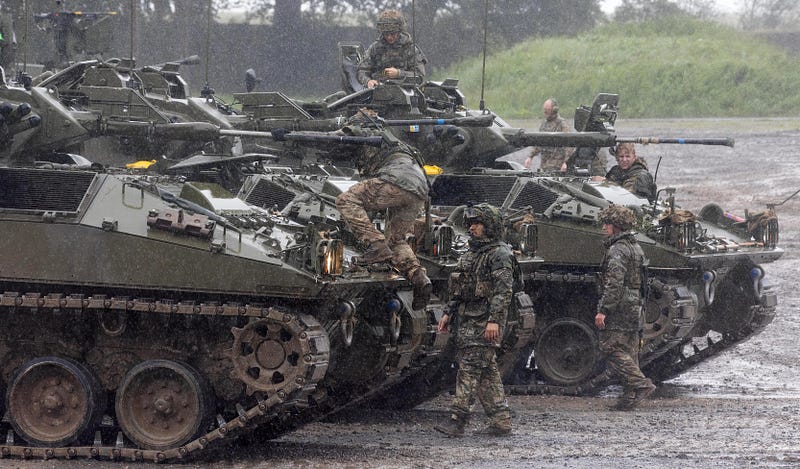
The war also serves as a living laboratory for military tactics and technology. The lessons learned on the battlefields of Ukraine will undoubtedly influence military doctrines worldwide. The integration of technology into combat operations, as demonstrated by the effective use of drones, will likely become a standard aspect of future conflicts.
Looking forward, the war in Ukraine will have lasting implications for international security and military strategy. The resilience and adaptability shown by Ukrainian forces, supported by international alliances, set a precedent for how future conflicts might be approached. This war is redefining the concepts of deterrence and defense, emphasizing the need for agility, technological adaptability, and strong international partnerships.
As the conflict continues, it’s crucial for military strategists and policymakers to closely observe and learn from the unfolding events in Ukraine. The lessons derived from this war will be invaluable in shaping future military strategies and international security policies.
In conclusion, the Ukraine-Russia war, with its blend of traditional and modern warfare, its global geopolitical ramifications, and its role in shaping future military strategies, is a definitive chapter in the history of international relations and military science. The courage and resilience of the Ukrainian people, supported by a global coalition, offer insights into the future of warfare and international politics.
Thank you for following this analysis. I encourage readers to engage with this topic through comments and discussions, as understanding and dialogue are vital in navigating the complexities of modern warfare and international relations.