avatarAnnalisa Vibio

Free AI web copilot to create summaries, insights and extended knowledge, download it at here

2869

Abstract

oad to peace is still long “.</p><figure id="e279"><img src="https://cdn-images-1.readmedium.com/v2/resize:fit:800/1*xRXRWBlovDZqmlcef3-T-w.jpeg"><figcaption>Photo by <a href="https://unsplash.com/@william07?utm_source=unsplash&amp;utm_medium=referral&amp;utm_content=creditCopyText">william william</a> on <a href="https://unsplash.com/s/photos/cargo-ships?utm_source=unsplash&amp;utm_medium=referral&amp;utm_content=creditCopyText">Unsplash</a></figcaption></figure><p id="3d4b">The new team should therefore ensure the safety of the routes. Cargo ships, which could finally collect wheat, corn or sunflower seeds, would be inspected in Istanbul by Turkish military to make sure they do not hide weapons destined for Ukraine, as requested by Moscow. Subsequently, the crafts would be guarded and protected by the Turkish Navy on the Black Sea and then escorted by Ukrainian vessels through the mines that defend the ports.</p><p id="2d9e">In response, the Russians should ensure that they do not bomb export cities during the process, as well as not take advantage of the loosening of the protection offered by floating mines.</p><h2 id="0fed">Contemporary events</h2><p id="9ea1">During the dialogues in Ankara, 16 merchant ships from different nations sailed the Bystre Canal in the Danube. Through the river routes, the aim was to reach the Ukrainian ports to then load the boats and export the country’s grain. Turkey itself, in this context, has stated that it has about twenty cargo ships waiting in the region, which could be put at the service of world markets.</p><p id="1b9b">Similarly, the Ukrainians have now adopted their emergency plan, which provides for the use of river ports in the canals of the Danube estuary and that of Constanta in Romania. The objective remains the export of cereals still in silos, even if this program is now more than ever particularly slow and expensive. Moving a ton of wheat can in fact cost up to one hundred and sixty euros, which is an exorbitant sum considering the levels prior to the war. In addition, international ships queue for weeks at sea.</p><figure id="37a8"><img src="https://cdn-images-1.readmedium.com/v2/resize:fit:800/1*dk8YN4CeASVSBZadcgT0wg.jpeg"><figcaption>Photo by <a href="https://unsplash.com/@alanaharris?utm_source=unsplash&amp;utm_medium=referral&amp;utm_content=creditCopyText">Alana Harris</a> on <a href="https://unsplash.com/s/photos/danube?utm_source=unsplash&amp;utm_medium=referral&amp;utm_content=creditCopyText">Unsplash</a></figcaption></figure><p id="1c6d">Of course, the port of Odessa, as well as other sites on the Ukrainian coast, would have the fastest infrastructure and would be the most accessible, but this is made impossible.</p><h2 id="ab4c">Consequences of non-export</h2><p id="f5ea">It is now known that Ukraine played a fundamental role in the world food market befor

Options

e the conflict. Indeed, 10% of world trade in wheat was guaranteed by the country alone, while with Russia it reached 30% of the international trade in wheat and various seeds. In the absence of a prolonged export blockade, many nations would therefore clearly be affected.</p><p id="d53c">Firstly, the lack of exports will bring more and more negative consequences to several African states, whose population spends about 60% of their income on food. As a result, citizens are currently witnessing an unprecedented rise in prices, especially for cereals.</p><figure id="e638"><img src="https://cdn-images-1.readmedium.com/v2/resize:fit:800/1*rc0nxWgFzOHMD97vnR8SKA.jpeg"><figcaption>Photo by <a href="https://unsplash.com/@redzeppelin?utm_source=unsplash&amp;utm_medium=referral&amp;utm_content=creditCopyText">Red Zeppelin</a> on <a href="https://unsplash.com/s/photos/crops?utm_source=unsplash&amp;utm_medium=referral&amp;utm_content=creditCopyText">Unsplash</a></figcaption></figure><p id="fa0f">Secondly, Europe itself will be on the route to end up overwhelmed by difficulties. Entrepreneurs and artisans that process cereals and flours are experiencing costs that have almost doubled compared to the end of 2020 and the beginning of 2021.</p><p id="7a5b">That is why it is necessary to diplomatically achieve a solution as soon as possible. The wheat crisis has in turn very dangerous effects on the rest of the food chain, bringing the cost of rice, vegetable fats, sugar or meat to dizzying levels.</p><p id="5219">Sources I was inspired by to write this article:</p><ul><li><a href="https://www.repubblica.it/esteri/2022/07/13/news/grano_ucraina_intesa_turchia_russia_istanbul-357722895/">Verso un’intesa sul grano: “Un centro di coordinamento Onu a Istanbul per il passaggio delle navi”</a>, published by La Repubblica</li><li><a href="https://www.today.it/mondo/accordo-export-grano-ucraina-turchia.html">È sempre più vicino un accordo sull’export del grano ucraino</a>, published by Today Mondo</li><li><a href="https://www.corriere.it/esteri/22_luglio_13/grano-si-apre-spiraglio-ucraina-russia-tornano-parlarsi-c79fd4de-02e9-11ed-a0cc-ad3c68cacbae.shtml?refresh_ce">Grano, si apre uno spiraglio: Ucraina e Russia tornano a parlarsi</a>, published by Il Corriere della Sera</li><li><a href="https://www.money.it/crisi-grano-accordo-russia-ucraina-porti-carestia-globale">Crisi del grano, cosa succede con l’accordo Russia-Ucraina per sbloccare i porti</a>, published by Money.it</li></ul><p id="f9f9"><i>I am an Italian student who tries every day to improve her English. I really like writing and studying in this language, also to be able to reach more people. However, I still often run into mistakes. So, if while reading my article you have found some, do not hesitate to contact me, either through a comment or a private note!</i></p></article></body>

Ukraine and Russia: is there a return to dialogue?

How to solve the blockade of wheat exports
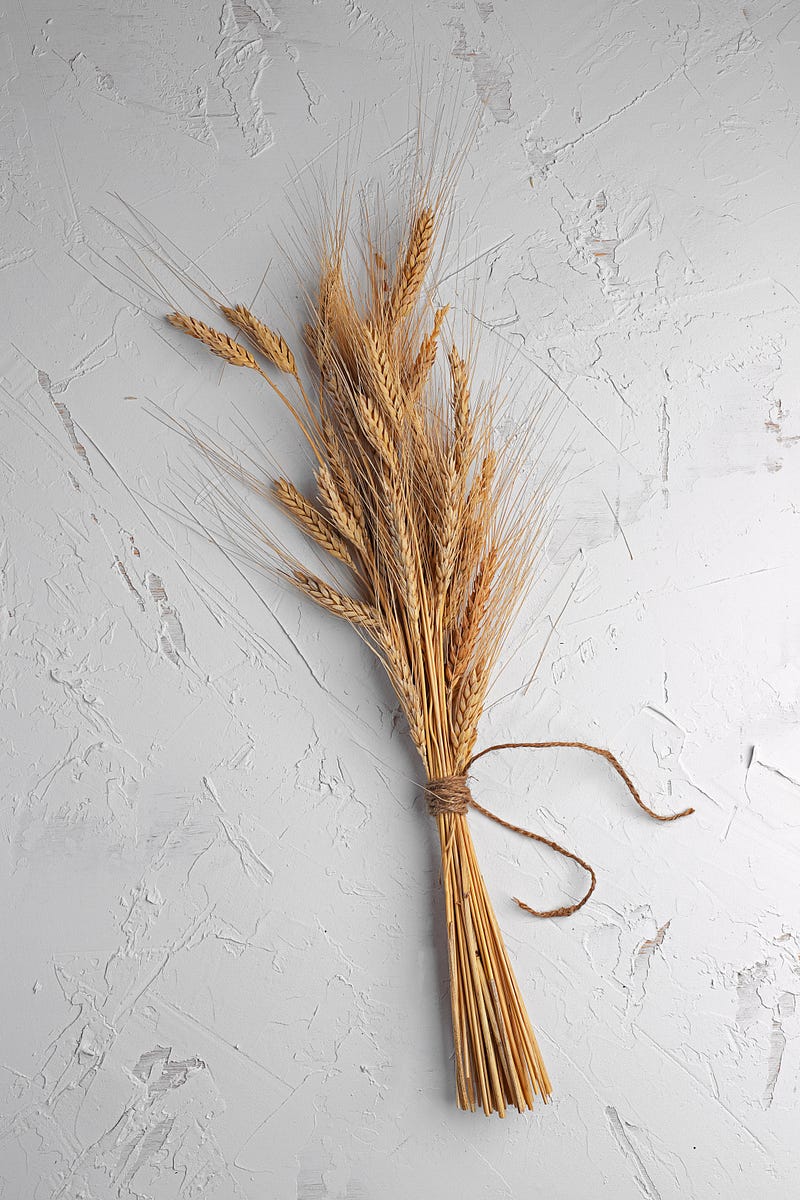
Photo by Slashio Photography on Unsplash

There are twenty-two million tons of grain in the silos in the Odessa region, which have been stopped for months due to the naval blockade imposed by the Kremlin and the territorial invasion.

However, in these days, a turning point seems to be possible in the diplomatic field. Indeed, on July 13, relevant dicussions between the representatives of Russia, Ukraine, Turkey and the United Nations officials were held and hosted in Istanbul. The theme centered on the resumption of Ukrainian grain exports through the Black Sea.

Delegates from the two warring countries had thus finally a chance to confront and talk, which represented an event that hadn’t happened for months. For more than an hour, militaries from Moscow and Kiev discussed the issue wearing peacefully civilian clothes. The matter was particularly crucial for the world being on the verge of a global crisis

What were the results then?
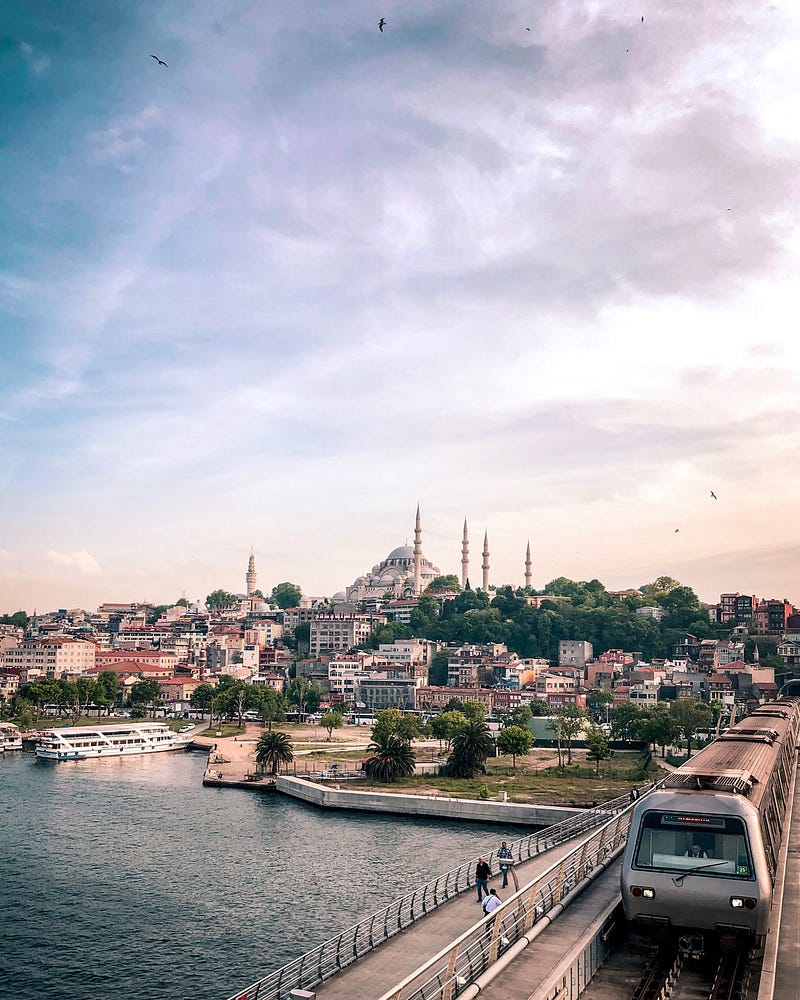
Photo by Fatih on Unsplash

The Agreement between Russia and Ukraine

Of course, there were no immediate results. Following the conclusion of the meeting, Ukrainian wheat is still stuck in ports and Russian wheat is under sanctions, although Ankara and the UN hope that negotiations will be concluded next week. On that occasion, however, the Russian proposal to impose the ruble as a currency for payments relating to exports is likely to arrive on the table, as happened for gas.

For the moment, however, the dialogue has led to a shared agreement, which holds a particularly interesting content. The parties found common ground to form a coordination center on the grain export corridors. In this sense, the Kremlin claims to have presented a “quick and practical solution”, while the UN Secretary General, Antonio Guterres, said it was “a positive step”, although “the road to peace is still long “.
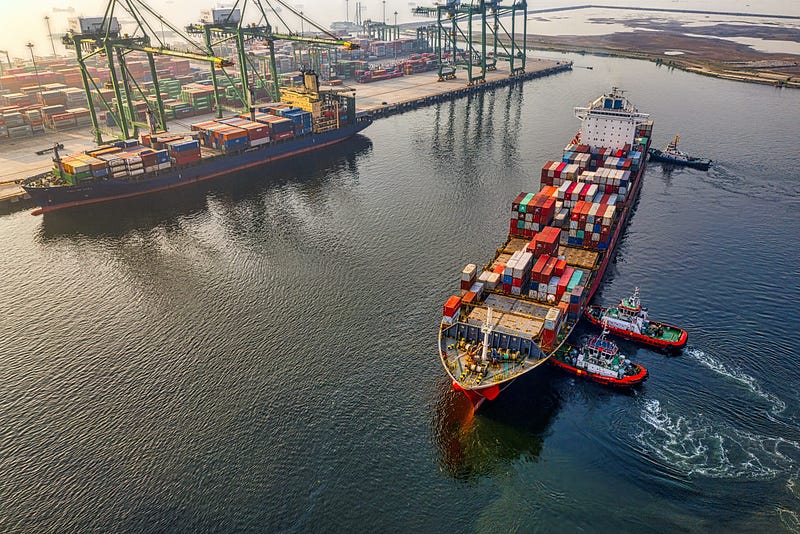
Photo by william william on Unsplash

The new team should therefore ensure the safety of the routes. Cargo ships, which could finally collect wheat, corn or sunflower seeds, would be inspected in Istanbul by Turkish military to make sure they do not hide weapons destined for Ukraine, as requested by Moscow. Subsequently, the crafts would be guarded and protected by the Turkish Navy on the Black Sea and then escorted by Ukrainian vessels through the mines that defend the ports.

In response, the Russians should ensure that they do not bomb export cities during the process, as well as not take advantage of the loosening of the protection offered by floating mines.

Contemporary events

During the dialogues in Ankara, 16 merchant ships from different nations sailed the Bystre Canal in the Danube. Through the river routes, the aim was to reach the Ukrainian ports to then load the boats and export the country’s grain. Turkey itself, in this context, has stated that it has about twenty cargo ships waiting in the region, which could be put at the service of world markets.

Similarly, the Ukrainians have now adopted their emergency plan, which provides for the use of river ports in the canals of the Danube estuary and that of Constanta in Romania. The objective remains the export of cereals still in silos, even if this program is now more than ever particularly slow and expensive. Moving a ton of wheat can in fact cost up to one hundred and sixty euros, which is an exorbitant sum considering the levels prior to the war. In addition, international ships queue for weeks at sea.
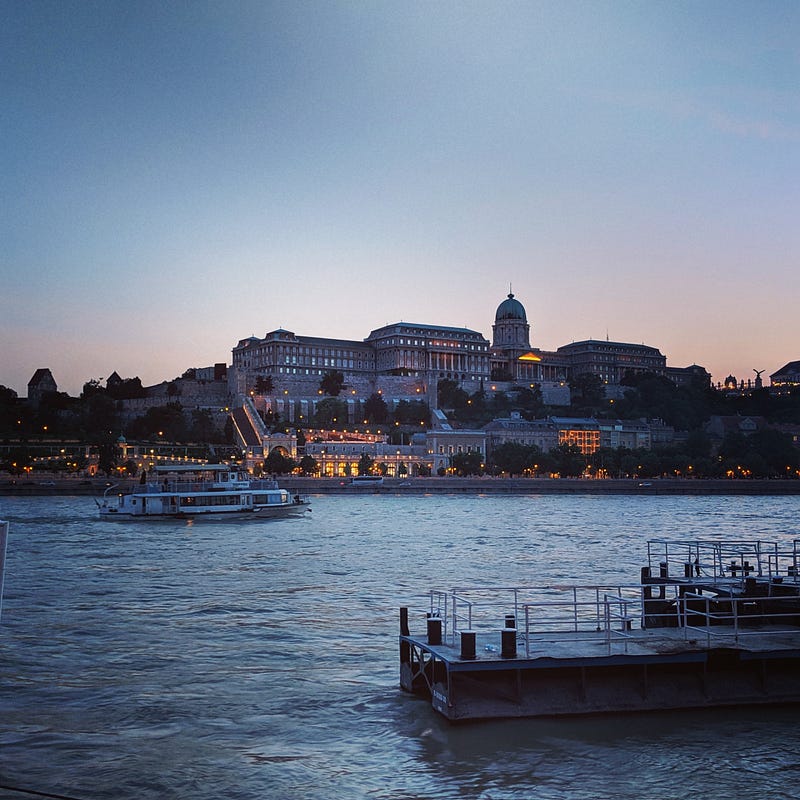
Photo by Alana Harris on Unsplash

Of course, the port of Odessa, as well as other sites on the Ukrainian coast, would have the fastest infrastructure and would be the most accessible, but this is made impossible.

Consequences of non-export

It is now known that Ukraine played a fundamental role in the world food market before the conflict. Indeed, 10% of world trade in wheat was guaranteed by the country alone, while with Russia it reached 30% of the international trade in wheat and various seeds. In the absence of a prolonged export blockade, many nations would therefore clearly be affected.

Firstly, the lack of exports will bring more and more negative consequences to several African states, whose population spends about 60% of their income on food. As a result, citizens are currently witnessing an unprecedented rise in prices, especially for cereals.
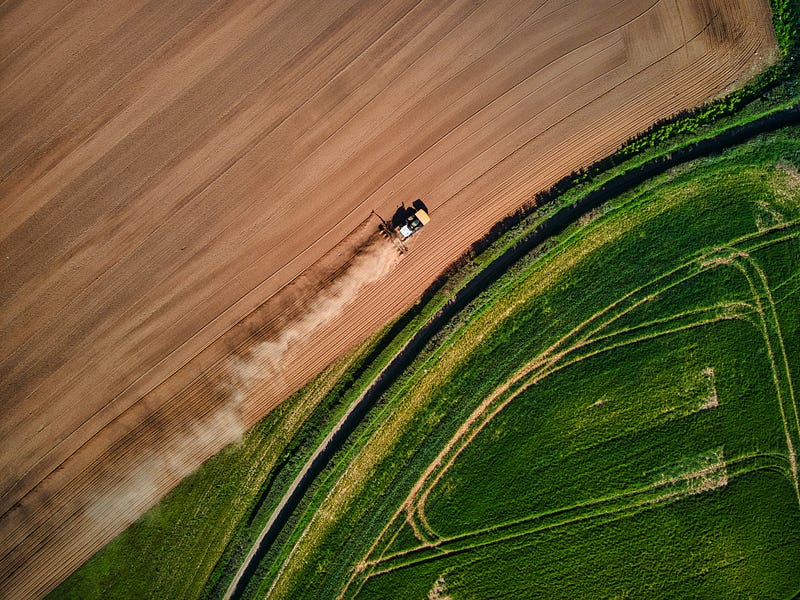
Photo by Red Zeppelin on Unsplash

Secondly, Europe itself will be on the route to end up overwhelmed by difficulties. Entrepreneurs and artisans that process cereals and flours are experiencing costs that have almost doubled compared to the end of 2020 and the beginning of 2021.

That is why it is necessary to diplomatically achieve a solution as soon as possible. The wheat crisis has in turn very dangerous effects on the rest of the food chain, bringing the cost of rice, vegetable fats, sugar or meat to dizzying levels.

Sources I was inspired by to write this article:

I am an Italian student who tries every day to improve her English. I really like writing and studying in this language, also to be able to reach more people. However, I still often run into mistakes. So, if while reading my article you have found some, do not hesitate to contact me, either through a comment or a private note!

Ukraine
Ukraine War
Wheatexport
Istanbul
Diplomacy
Recommended from ReadMedium