
LANGUAGE | CULTURE | UGANDA | AFRICA
Ugandan Sayings That We Love and Will Miss
We have learned a new way of saying things this past year.
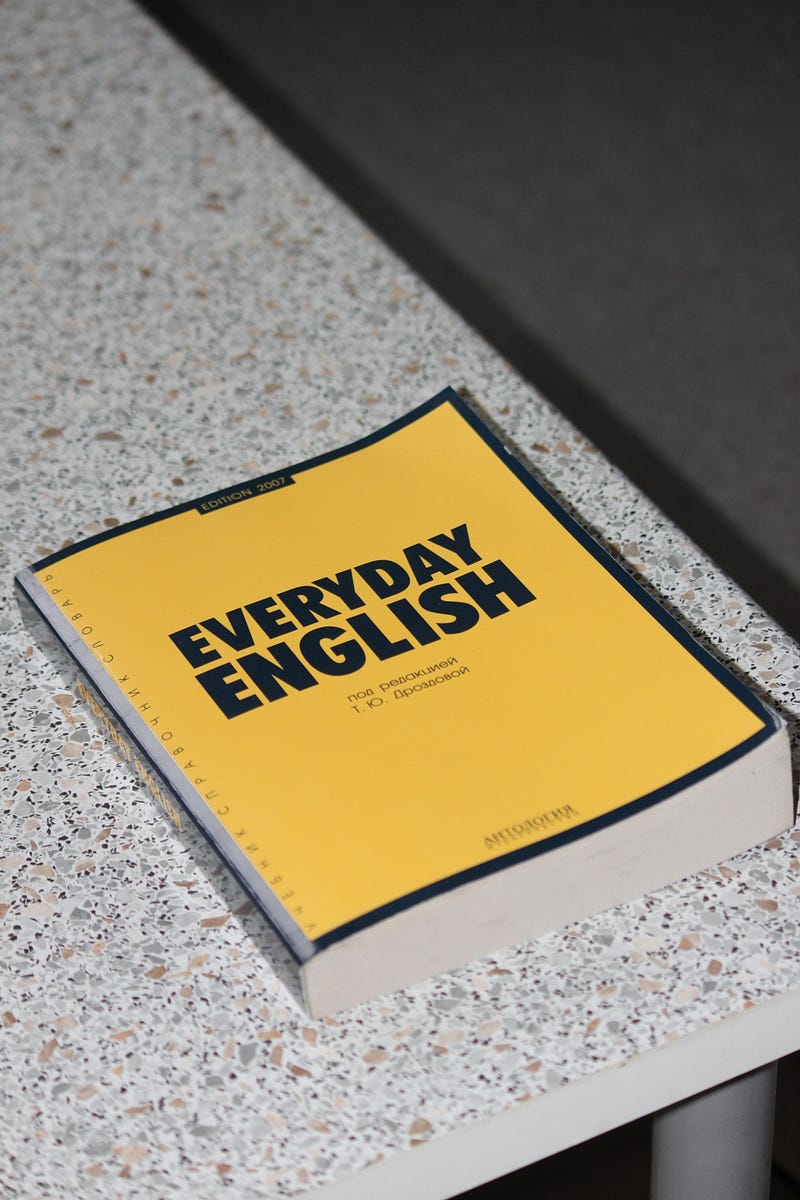
It’s interesting how even when people are speaking the same language as each other, they may tend to use the words differently. We have noticed this is very prevalent here in Uganda and other parts of Africa.
Although Uganda has over 80- tribes, and language dialects to go with each one, the primary language of business is English. This means that we have mostly gotten by with English, but did learn a few words of the Lukonzo dialect while staying in southern Uganda last year for 6 months.
However, I will admit that we were a bit lazy with learning the language when so many spoke at least basic English.
After more than 2 years of being on this continent, we are leaving Africa in August. While we are excited about new adventures and new scenery, we also are starting to feel sad to be leaving a place that we really have fallen in love with. The other day we started talking about the different sayings that we have come to enjoy here, and how we will miss them. I thought it might be a good idea to get some of them written down, so they don’t get lost with so many other memories in our brains.
Maybe you will enjoy learning about them as well.
“Safe journey.”
The first time I heard this we were each on the back of a boda boda (motorbike taxi) with our luggage strapped on the back, and we were headed from the highway up a dirt mountain road.
Click here for our YouTube vlog of this experience if you are interested.
At first, I didn’t understand what the man was saying, but after repeating it a couple of times, I finally understood. He was basically telling me to have a safe trip. We have since heard this saying hundreds of times, even from complete strangers as we board buses or go in vehicles, any time we are traveling from one place to another. Plus, of course, we also say it to our friends along the way.
“I am somehow okay.”
This can be said for other people as well.
They are somehow okay.
Of course, adding in the ‘somehow’ makes it seem like it’s surprising or unexpected that someone is okay. But maybe it is just a word that they slip in with no extra intention. This has neither been denied nor confirmed.
“Well done!”
This is mostly used to tell somebody that they are doing/have done a good job.
“Thank you for the work.”
This also can be used to tell us we are doing a good job, but usually is thanking us for our efforts as we paint murals or do other work in the places that we stay.
“Time reaches…….”
This is used to talk about something that might happen in the future or in the past.
You will take the bus for three hours. When time reaches, you will arrive at your destination.
OR
I was working for another company, then time reaches and I quit that job and came to this one.
The word there.
There is a term that is used a few different ways.
“How is there?” can be used when you are on the phone with somebody and are asking them how it is in their town/village. They will reply with a sentence like:
Things are somehow good. How is there?
You can also use it to place yourself or others.
You will find me when I am there. | At 5:00 she will be there. | Go now, he is there.
Or to place other objects when you are looking for them.
Where is it?
It is there.
“We are trying.”
This is used a lot when you ask someone how they are doing. They will reply with
We are trying.
OR
I am trying.
We have noticed that people are adamant in letting you know that they are trying, whether or not they actually accomplish anything is another subject altogether.
“That/this side.”
That side is used to describe a place away from where you are. It can describe across the street, or even across the country. Honestly, it could even be talking about another country across the ocean.
This side indicates that you are back, or talking about something in the same vicinity.
How are things on that side?
How did you get to that side?
Welcome back to this side.
Did you have a safe journey on that side?
Do you like that side better than this side?
Oh, you are on that side. How is there?

“You/it/she/he looks smart.”
This is used to describe something that looks neat and tidy, or when something has been straightened up or just looks nice.
I’m glad we cleaned, now it looks smart.
That painting makes the room look smart.
That dress makes you look smart.
“He/she/it has bad love.”
Bad love is used when people are sick or suffering.
It has been a real struggle for her lately. She has been suffering from bad love.
“Small, small.”
Small, small is either used to describe a small amount of something, small sizes of things, or it seems to be used as a replacement to our version of ‘a little bit.’
After you are finished making the beans, you can add a small, small bit of salt.
You can chop the carrot small, small.
We also can’t help but giggle at the way that they pronounce some words. Now, we aren’t criticizing here, it’s more of an endearing feeling that we get when we hear them say these words.
Clothes
Clothes is pronounced as two syllables; ‘clothe-ez’. We have heard this from every level of English speaker here in Uganda.
Six
Six is also pronounced as two syllables; ‘sick-ex’, which can also be ‘sick-es-teen’, and also ‘sick-es-ty’.
I’m sure these are just some of the fun language differences and sayings that we will miss. It’s amazing, as we travel, the words and sayings that will stick in our heads. But to this day, we both agree that our favorite was in Guatemala. There, the man that always arranged our transport would let us know that it had been confirmed by sending a text message saying;
Your transport has been confirmated.
I hope you enjoyed reading about some of the unique sayings that we have learned while we have been in Uganda for most of the past year.
Happy travels!
xo Jill

Hi there, we are 2 Canadians, Jill and Chris from Artistic Voyages. We have been nomadic since 2017 living in numerous different countries, and experiencing the life and diversity of our planet on the ground and firsthand. We paint FREE murals in exchange for accommodation. Check us out on Ko-fi!
Subscribe to Medium through my referral link to get full access to my writing plus thousands of others! Plus sign up here to get my articles by email!
Join our adventure by hitting the links below!
Website | Instagram | Facebook | Twitter | Patreon| YouTube | Medium


