blockquote id="d05b"><p>So then why did I choose this course over other available courses? “The main reason was that I have experience in ADAS so this course was a perfect fit for my career passion”. Also, it was like a monopoly.</p></blockquote><h1 id="ca77">Detecting lanes</h1><p id="c7cf"><a href="https://medium.com/@subhashgo"><i>Subhash Gopalakrishnan</i></a></p>
<figure id="ccb8">
<div>
<div>
<img class="ratio" src="http://placehold.it/16x9">
<iframe class="" src="https://cdn.embedly.com/widgets/media.html?src=https%3A%2F%2Fwww.youtube.com%2Fembed%2Fzs-yCrYUeMY%3Ffeature%3Doembed&url=http%3A%2F%2Fwww.youtube.com%2Fwatch%3Fv%3Dzs-yCrYUeMY&image=https%3A%2F%2Fi.ytimg.com%2Fvi%2Fzs-yCrYUeMY%2Fhqdefault.jpg&key=d04bfffea46d4aeda930ec88cc64b87c&type=text%2Fhtml&schema=youtube" allowfullscreen="" frameborder="0" height="480" width="854">
</div>
</div>
</figure></iframe></div></div></figure><p id="f5b8">Subhash has clear and concise descriptions of the computer vision tools he uses for his Finding Lane Lines Project. A bonus section includes him trying to find lanes on roads in India!</p><blockquote id="9332"><p>The part remaining is to discover lines in the edge pixels. Before attempting this, we need to rethink a point in terms of all the lines that can possibly run through it. Two points will then have their own sets of possible lines with one common line that runs through both of them. If we could plot the line-possibilities of these two points, both points will “vote” for that line that passes through both of them.</p></blockquote><h1 id="603a">AWS setup for Deep Learning</h1><p id="946f"><a href="https://medium.com/@babal.himanshu"><i>Himanshu Babal</i></a></p><figure id="622a"
Options
<img src="https://cdn-images-1.readmedium.com/v2/resize:fit:800/1*S8WS3u7TrGZK12IYb1PgfA.png"><figcaption></figcaption></figure><p id="2f4b">Himanshu has a great tutorial on how to set up an AWS EC2 instance with a GPU to accelerate deep learning. It includes tips on how to get free AWS credits! (I should note that since Himanshu wrote this we have included our own tutorial within the program, but this is still a great post and more free credits are always welcome!)</p><blockquote id="f87a"><p>I will be helping you out in the following setup
AWS Account setup and $150 Student Credits.
Tensorflow-GPU setup with all other libraries.</p></blockquote><h1 id="2a82">Udacity Will Help Me To Achieve My Goals</h1><p id="7610"><a href="https://medium.com/@ValipourMojtaba"><i>Mojtaba Vàlipour</i></a></p><figure id="3be6"><img src="https://cdn-images-1.readmedium.com/v2/resize:fit:800/1*NlVWbEXCVZqPRumLhILpag.jpeg"><figcaption></figcaption></figure><p id="8609">Mojtaba joins us from Iran, which is really inspiring given the backdrop of world events right now. We are excited to have him and he is excited to be in the program!</p><blockquote id="ba7f"><p>Maybe Sebastian Thrun has no idea who am I and how much respect I have for him. I made a autonomous vehicle because I saw his course (Artificial Intelligence for Robotics), I learned a lot from him and the power of ROS (Robot Operating System). I really love this field of study and I follow everything related to autonomous vehicles since 2004 (When DARPA started everything). And now I am in the first Cohort in the Self Driving Cars Nano Degree (SDCND) thanks to <a href="undefined">David Silver</a>, <a href="undefined">Todd Gore</a>, <a href="undefined">Oliver Cameron</a>, <a href="undefined">Stuart Frye</a> and other Udacians.</p></blockquote></article></body>
Udacity Students on Neural Networks, AWS, and Why They Enrolled in CarND
Here are five terrific posts by Udacity Self-Driving Car students covering advanced convolutional neural network architectures, how to set up AWS instances, and aspirations for CarND.
Traffic signs classification with a convolutional network

Alex took the basic convolutional neural network tools we teach in the program, and built on them to create a killer traffic sign classifier. He used extensive data augmentation, and an advanced network architecture with multi-scale feature extraction.
Basically with multi-scale features it’s up to classifier which level of abstraction to use, as it has access to outputs from all convolutional layers (e.g. features on all abstraction levels).
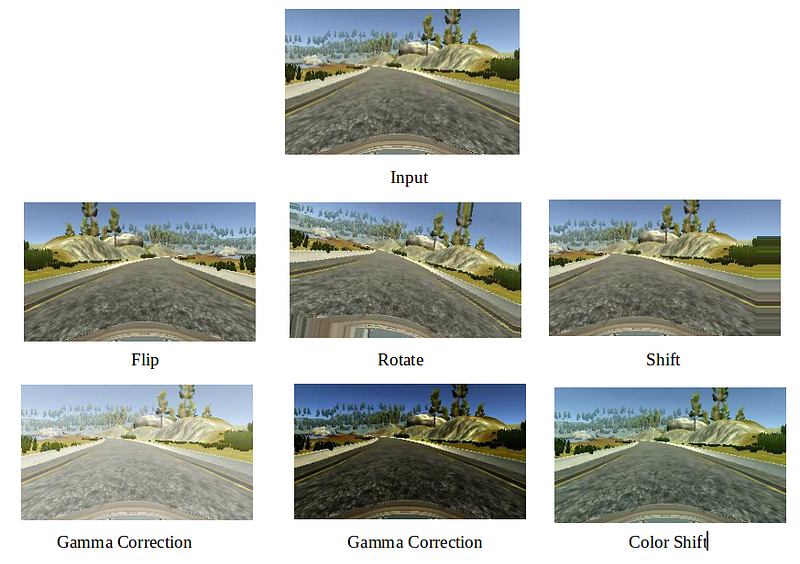
Sridhar has a fun summary of his experience in the program so far, including great detail about some sophisticated data augmentation and network architectures that he used. I also laughed when mentioned why he enrolled.
So then why did I choose this course over other available courses? “The main reason was that I have experience in ADAS so this course was a perfect fit for my career passion”. Also, it was like a monopoly.
Subhash has clear and concise descriptions of the computer vision tools he uses for his Finding Lane Lines Project. A bonus section includes him trying to find lanes on roads in India!
The part remaining is to discover lines in the edge pixels. Before attempting this, we need to rethink a point in terms of all the lines that can possibly run through it. Two points will then have their own sets of possible lines with one common line that runs through both of them. If we could plot the line-possibilities of these two points, both points will “vote” for that line that passes through both of them.
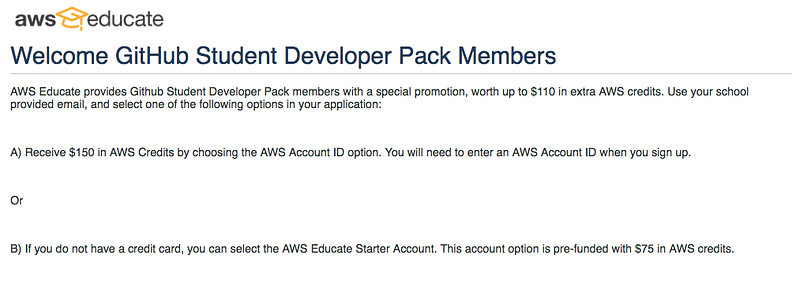
Himanshu has a great tutorial on how to set up an AWS EC2 instance with a GPU to accelerate deep learning. It includes tips on how to get free AWS credits! (I should note that since Himanshu wrote this we have included our own tutorial within the program, but this is still a great post and more free credits are always welcome!)
I will be helping you out in the following setup
* AWS Account setup and $150 Student Credits.
* Tensorflow-GPU setup with all other libraries.
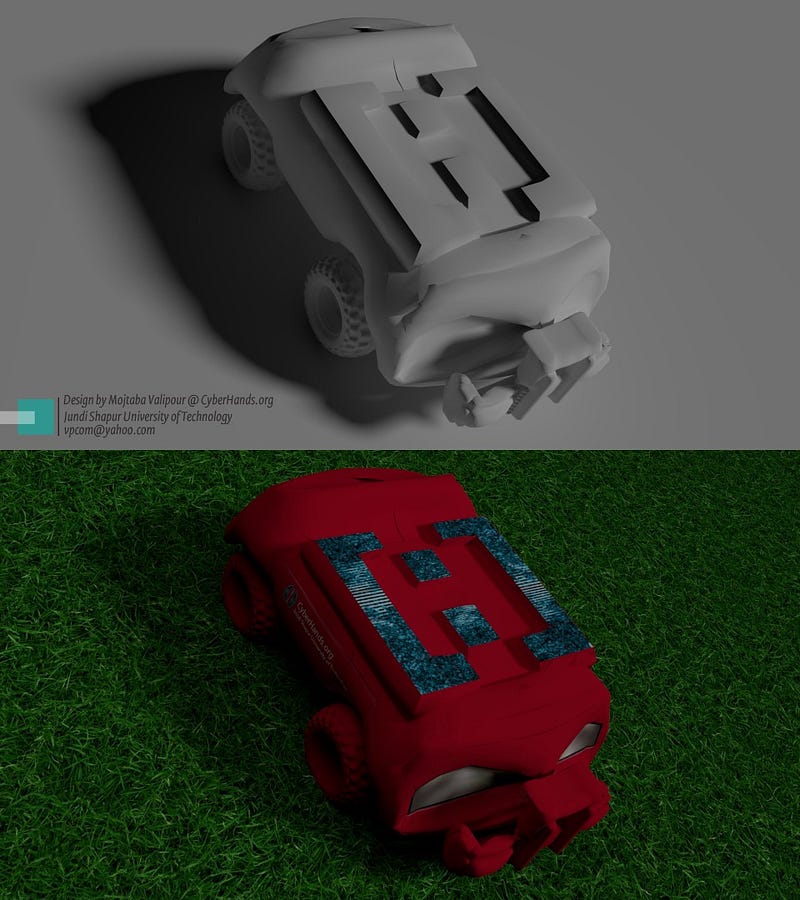
Mojtaba joins us from Iran, which is really inspiring given the backdrop of world events right now. We are excited to have him and he is excited to be in the program!
Maybe Sebastian Thrun has no idea who am I and how much respect I have for him. I made a autonomous vehicle because I saw his course (Artificial Intelligence for Robotics), I learned a lot from him and the power of ROS (Robot Operating System). I really love this field of study and I follow everything related to autonomous vehicles since 2004 (When DARPA started everything). And now I am in the first Cohort in the Self Driving Cars Nano Degree (SDCND) thanks to David Silver, Todd Gore, Oliver Cameron, Stuart Frye and other Udacians.