Ubuntu — The African Concept The World Really Needs Right Now
It is in acknowledging our common humanity that we will progress.
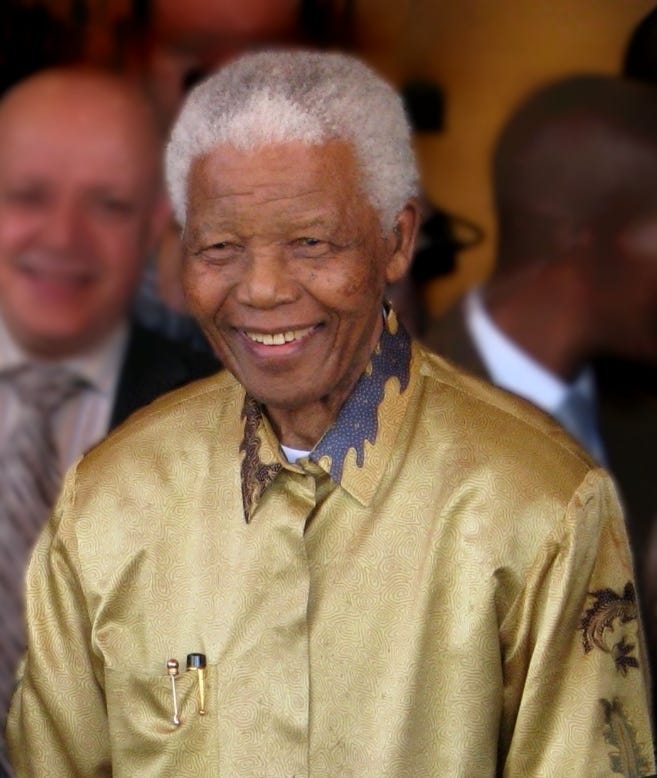
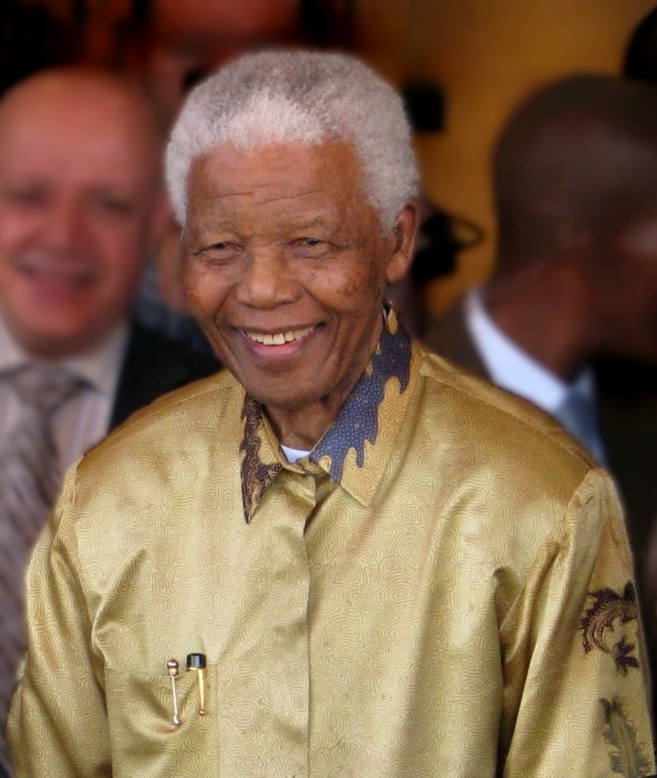
“We must therefore act together as a united people, for national reconciliation, for nation building, for the birth of a new world.” — Nelson Mandela
Nelson Mandela spent many years of his life locked up in prison. It was for an idea that he believed in. His jailers were cruel, but one thing kept him going. He knew his perseverance would one day make the world a better place.
When he got out, he didn’t seek vengeance. Instead, he promoted reconciliation. For he knew that as humanity we are stronger together.
There is much more that unites us than what divides us. By fostering these common things, we right injustices and create bonds that are stronger than ever.
Mandela’s worldview was shaped by an old African philosophy called “ubuntu”. This philosophy is about humanity. It is about a universal bond that connects all humans together.
At Nelson Mandela’s memorial service, former American president Barrack Obama described what the essence of this African philosophy really consists of:
“There is a word in South Africa — Ubuntu — a word that captures Mandela’s greatest gift: his recognition that we are all bound together in ways that are invisible to the eye; that there is a oneness to humanity; that we achieve ourselves by sharing ourselves with others, and caring for those around us.
We can never know how much of this sense was innate in him, or how much was shaped in a dark and solitary cell. But we remember the gestures, large and small — introducing his jailers as honored guests at his inauguration; taking a pitch in a Springbok uniform; turning his family’s heartbreak into a call to confront HIV/AIDS — that revealed the depth of his empathy and his understanding. He not only embodied Ubuntu, he taught millions to find that truth within themselves.”
In his speech, Barrack Obama summarized Nelson Mandela’s greatest legacy to the world. It is his humbleness, his forgiveness, and his goal of uniting people together. These are all key features of ubuntu.
Ubuntu — I Am, Because We Are
“No one is born hating another person because of the color of his skin, or his background, or his religion. People must learn to hate, and if they can learn to hate, they can be taught to love, for love comes more naturally to the human heart than its opposite.” — Nelson Mandela
More than two millennia ago, Aristotle stated that people are social animals. We need other people to live and thrive.
You live in relation to other people. If you see the world as a zero sum game, where in order for you to progress the other must go down, then only war can ensue.
However, if you see the world as win-win, then humanity can progress. In order for you to improve yourself, you don’t need to tear other people down.
If you feel wronged, the way forward is not to seek revenge. This was the message of Nelson Mandela.
Ubuntu is about coming together, acknowledging our differences, our different experiences and points of view, but also about mutual respect.
Our similarities and our common bonds are more important than what divides us. If everyone around you will be stronger, you will be stronger too.
This type of feeling goes against the natural instincts of many humans. Humans are often more interested in relative gains than absolute ones.
Psychology has shown that the average person will be happier if they get a raise, while their neighbor doesn’t, than if they both get the same raise.
This type of thinking is quite illogical, but unfortunately part of human nature.
Instead, in order to see a better world, we have to flip this type of thinking around. This means turning hate into love. We always need to remind ourselves: I am, because we are.
You Are Part of a Greater Whole
“A person with Ubuntu is open and available to others, affirming of others, does not feel threatened that others are able and good, based from a proper self-assurance that comes from knowing that he or she belongs in a greater whole and is diminished when others are humiliated or diminished, when others are tortured or oppressed.” — Desmond Tutu
Archbishop Desmond Tutu is another hero of the struggle against apartheid in South Africa. For him, ubuntu signifies being part of a greater whole.
However, this does not mean just something on the metaphysical level, but it has greater implications on the individual level. It means being kind, compassionate, and friendly.
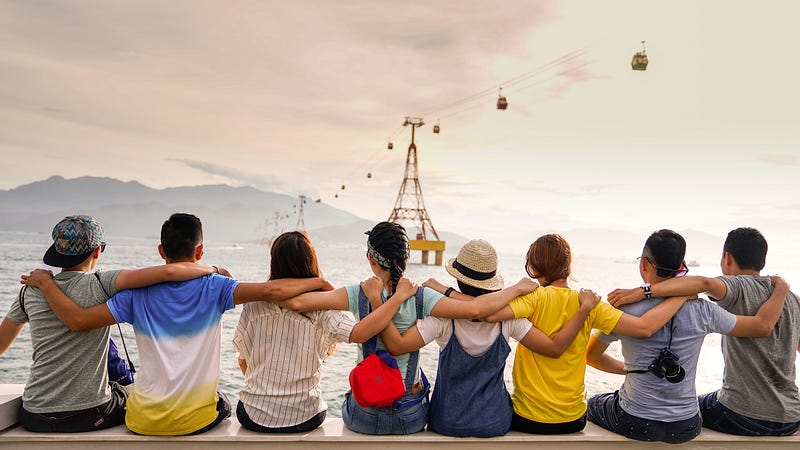
It is about acknowledging that your humanity is inextricably bound to mine. This type of thinking has many parallels with the thoughts of other thinkers throughout history and around the world.
Two millennia ago, philosopher Hierocles the Stoic, stated that humans think in circles of concern.
The first circle of concern is around yourself. Then around your family, around your tribe, and so on. Only distantly do you actually have a circle of concern for humanity.
This means that firstly you care about yourself, then your family, and you usually have little care about other people who are far away from you. The point for Hierocles was not to have many circles.
It was to bring all those circles into one. That way you would be concerned about everyone.
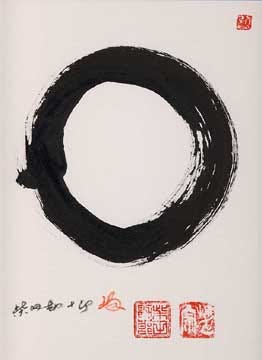
Zen Buddhism also has a concept called “enso”, which means the circle of life. It symbolizes enlightenment, the void, but also togetherness.
The act of drawing it is meant to help you in self-realization. You realize that there is no self, that everything is change, and that all things are connected. Everything is a greater whole.
Nature is Interconnected
“What counts in life is not the mere fact that we have lived. It is what difference we have made to the lives of others that will determine the significance of the life we lead.” — Nelson Mandela
In a 2013 TED talk, Boyd Varty, South African writer and wildlife conservationist, spoke about what he learned from Nelson Mandela and growing up in Africa.
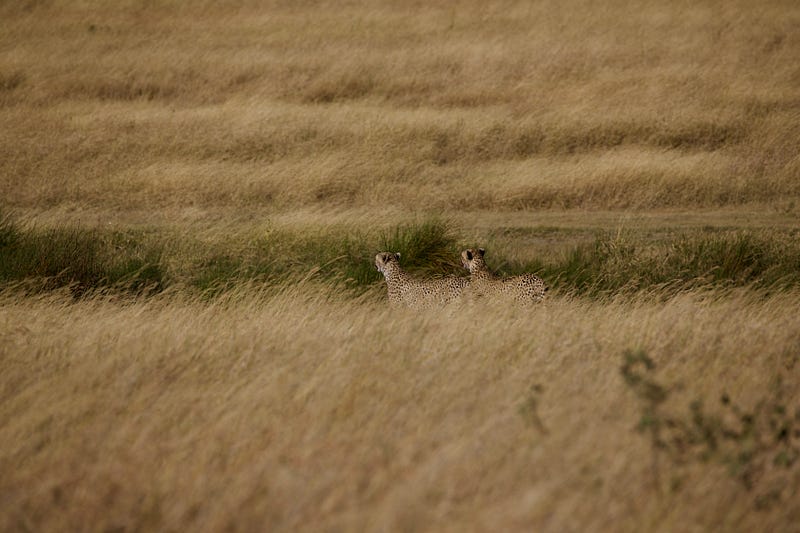
His family had created the Londolozi Game Reserve, in order to safeguard the animals living there. Being in contact with animals for much of his life has shown Varty how dependent life is on other things.
An individual lifeform can’t survive on its own. It is the ecosystem that helps them survive. In ecology we can see how if one part of the system goes out of whack, this can have negative effects on many other parts.
You might remember the old 1990’s Disney cartoon “The Lion King”, where they sang about the circle of life. This is what all those animals were singing about.
For Boyd, growing up close to the wild clearly demonstrated to him the interconnections of the world:
“While it’s true that Africa is a harsh place, I also know it to be a place whose people, animals and ecosystems teach us about a more interconnected world.”
Ubuntu is not just about being interconnected with other humans, but also about humanity being a part of nature.
Therefore, you should not only expand your circle of concern to include other people, but for it to encompass all living things, and our entire planet as a whole.
The World Needs to Come Together
“Everyone can rise above their circumstances and achieve success if they are dedicated to and passionate about what they do.” — Nelson Mandela
The world is burning right now. The coronavirus pandemic has shown how interconnected we really are. One person can sneeze, and we all get infected.
However, the lesson seems to be lost on many people. We cannot continue on our current path of division and destruction.
In his autobiography “The Long Walk To Freedom”, Nelson Mandela reflected on what freedom really is.
He said that when he walked out of his prison on Robben Island, he knew that his mission was to liberate, both the oppressed and the oppressor.
Some people thought that this was the last step. Nothing else needed to be done. However, Mandela knew that this was not the case.
The truth for him was that people were not yet free. He knew the darkness that often lingers in the hearts of individuals.
He heard the calls for vengeance. History has taught us that often the oppressed turn into the oppressors.
Mandela was set on preventing that. He knew that his step out of the prison was not the last step. Instead it was the first step.
It was a step on a much harder journey.
“We have not taken the final step of our journey, but the first step on a longer and even more difficult road. For to be free is not merely to cast off one’s chains, but to live in a way that respects and enhances the freedom of others.” — Nelson Mandela
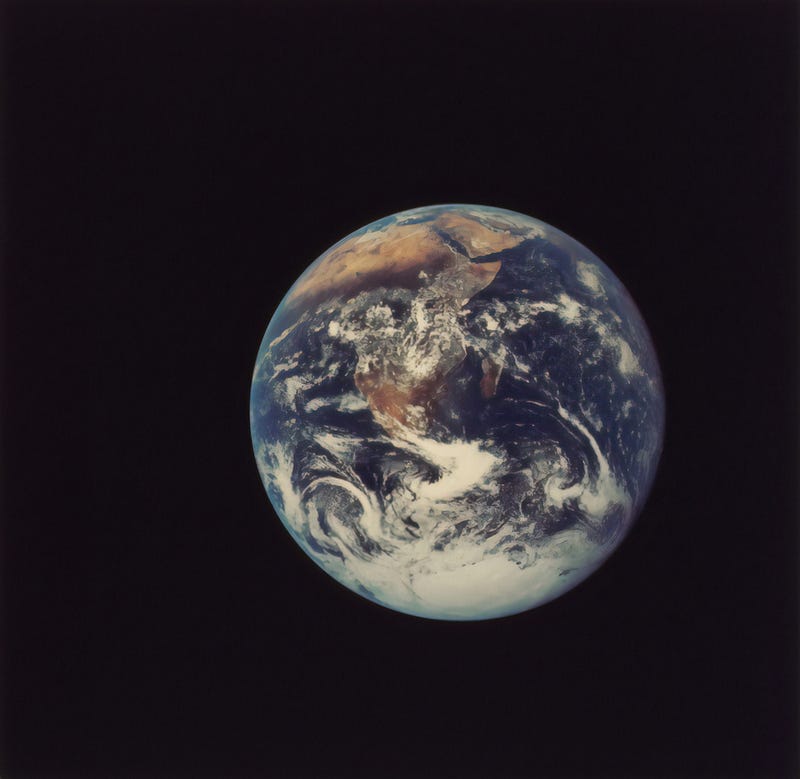
The world needs to come together. Humanity only has one planet. We have to realize that we share it.
Mind Cafe’s Reset Your Mind: A Free 10-Day Email Course
We’re offering a free gift to all of our new subscribers as a thank you for your continued support. When you sign up using this link, we’ll send you tips on how to boost mental clarity and focus every two days.