
PARENTING, FAMILY, GOVERNMENT POLICY
U.S. Ranks Last in Government-Mandated Maternity Leave Programs for New Parents
An outsider’s perspective, inviting your thoughts — too.
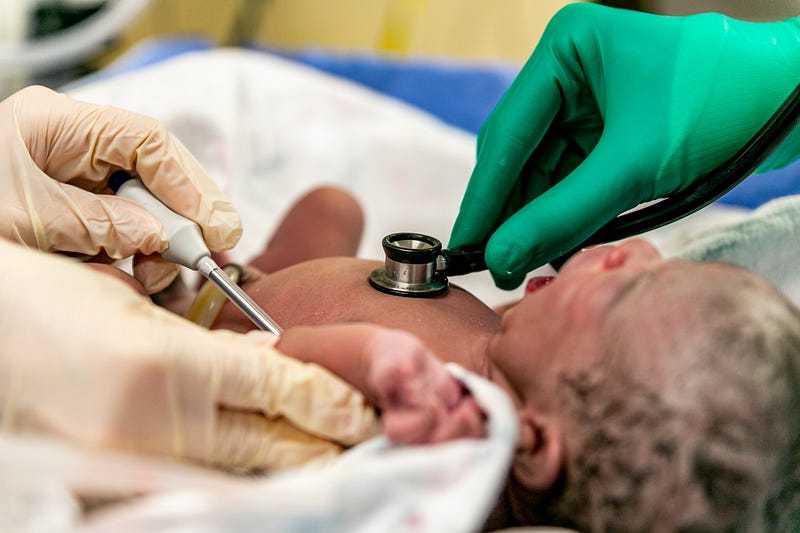
The United States (U.S.) is one of the few developed countries that does not provide paid parental leave for new mothers. This means that the majority of new mothers in the U.S. must find a way to take time off from work after giving birth and care for their newborns without receiving any pay or benefits from their employers.
Generally, employees are able to take unpaid leaves for up to 6 weeks in order to care for their newborns or adopted children. However, for U.S. workers at organizations with fewer than 50 employees, there is no legal right to maternity leave — even unpaid.
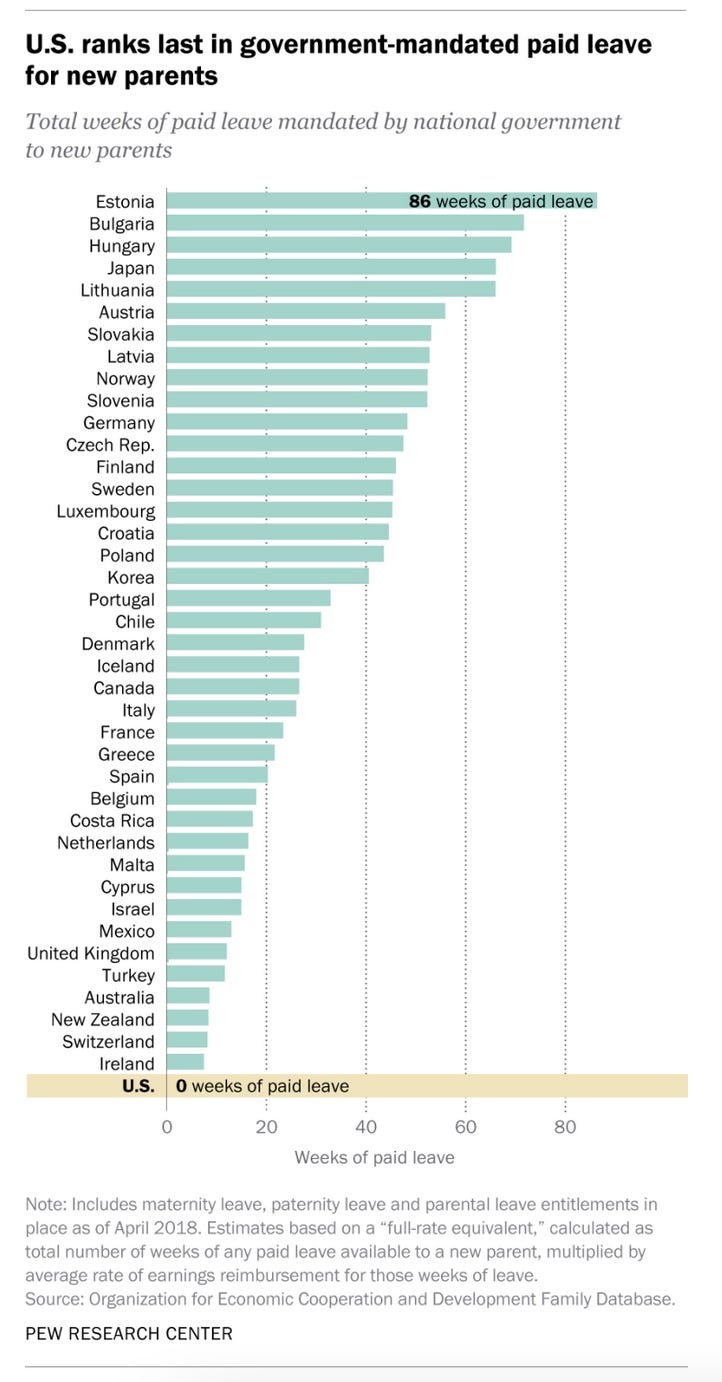
The Family Medical Leave Act (FMLA) in the U.S. provides 12 weeks of unpaid leave to eligible employees at organizations with 50 or more employees, but only if they have worked there for more than 12 months and have worked at least 1,250 hours in the last year.
In related law, the Pregnancy Discrimination Act (PDA) prohibits discrimination against pregnant women in any aspect of employment, including hiring, firing, and pay decisions, but it does not require employers to provide maternity leave or to specify a length of time for maternity leave.
This systematic approach is not applied across the country. While the U.S. does not have a national paid leave mandate, California, New Jersey, Massachusetts, New York, Rhode Island, Washington, Connecticut, Oregon and the District of Columbia have state-mandated paid leave program. This leaves 42 states without any form of a program.
An Outsider’s Perspective
The length of maternity leave, time taken after giving birth, varies from country to country — across the globe. In Canada, maternity leave is up to 18 months. In the United States, where available, it is 6 to 13 weeks.
Let that sink in.
Ignore a birth with any form of complications, even the most fit mother with a seamless birthing experience is unlikely to yield someone hopping, skipping and dancing through a field of daisies after giving birth. Mind you, it is possible a few days postpartum, again with a seamless birth — you’ll “just” have a baby attached to your nipple and two hours of consecutive sleep.
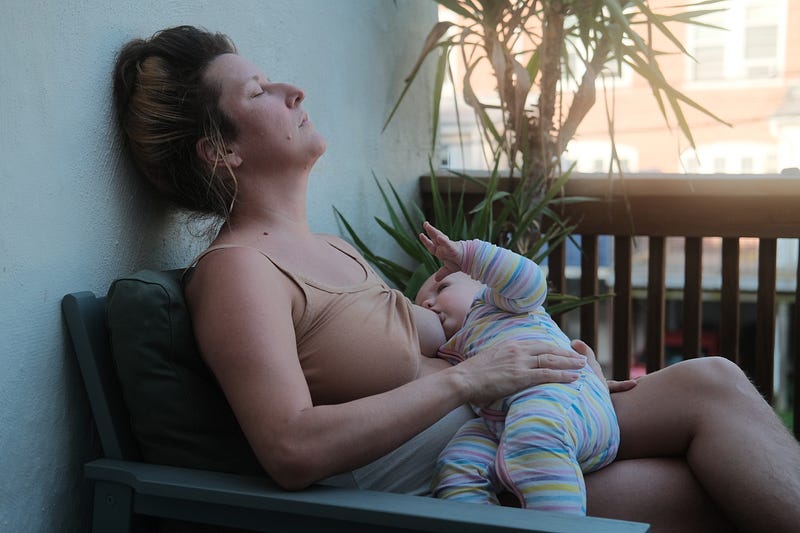
But, you got this.
Six weeks later, if you’re so lucky, let’s have you continue to navigate this transition and return to work.
Easy.
Women were made to birth a child, so no problem — you got this.
But, let’s be a little bit more realistic.
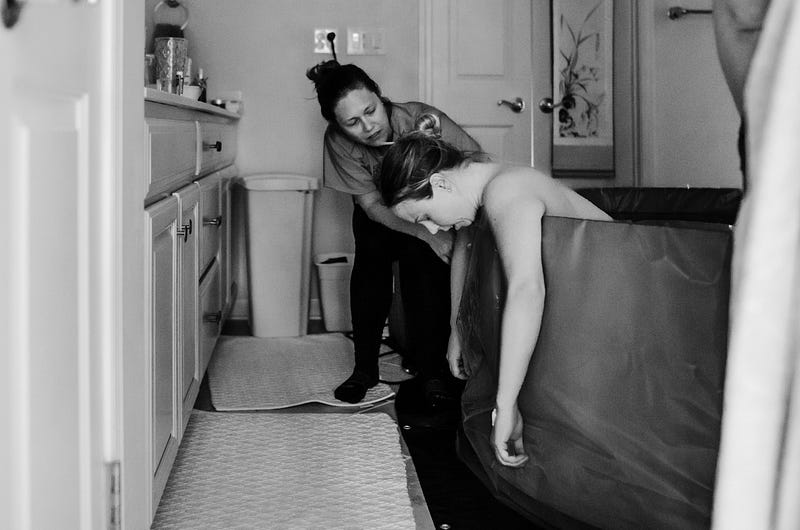
Most postpartum periods require women to wear a thick pad between their legs, often an ice pack too, as their uterus contracts, squeezing blood, fluid and tissue out of their bodies while their baby bites on their nipple.
Sorry if this may seem graphic to some. This reality is simply calling it like it is, which seems to be missing from the conversation.
Don’t let the fact that a baby rarely has teeth deceive you. They can chomp with a mighty force!
So, as your baby draws their nutrients and burns the equivalent of a 30+ minute run a day from nursing alone, while you function on broken sleep, let’s have a system that separates you from the baby you carried inside your body for nine-months at just 6 weeks.
Interested in feeding your child breastmilk? Well, you need to pump — which takes about two hours a day, and should be done on a consistent schedule for optimal results.
Don’t worry though, you have a choice: formula… just $50–120+ per month.
You should be getting an idea of what “side of the fence” I am on when it comes to maternity leave in the U.S. In case it’s not clear though:
What the f*ck are you thinking, America? Seriously.
But, it’s someone’s choice to have a child?
They know what they’re “signing up for.”
Sure. These facts may be true. Why then have nearly all other developed countries implemented a paid maternity leave program AND several individual states are implementing programs now, too?
Those are some of my thoughts. What are yours? Leave a comment.
Enjoyed this article? Continue to be inspired, read unlimited stories on Medium and share in the community for just $5/month. A portion of your membership fee supports writers, like me.