
MURDERED FOR GOING HOME
Tyre Nichols Death in Memphis
How the fuck does this still happen?
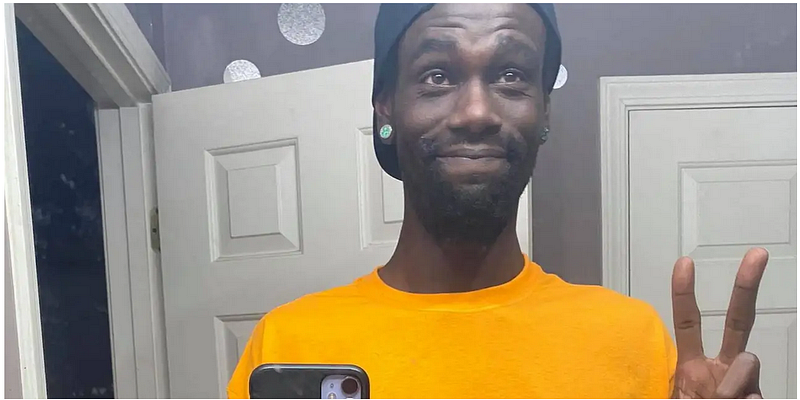
The video of the beating that led to the death of Tyre Nichols on Jan. 10 is heart-wrenching. If you’re a parent, brother, or sister, you can’t watch it without shedding a tear.
Three days earlier, five armed men wearing badges and who pledged to serve their community beat a man until he was on the verge of death.
According to the Associated Press, all five — now former Memphis police officers — Tadarrius Bean, Demetrius Haley, Desmond Mills Jr., Emmitt Martin III, and Justin Smith — were taken into custody.
Each of the men faces charges of second-degree murder, aggravated assault, aggravated kidnapping, official misconduct, and official oppression.
Despite the charges — and the video that showed what proved to be their fatal efforts to detain Nichols, four of the five men posted bond and were released from custody on Friday morning, according to court and jail records.
I was stationed in Washington State when Los Angeles police officers did their best to beat Rodney King to a pulp. And the pain of that beating was felt nationwide. Crowds showed up at what was then Fort Lewis to share their frustration and disbelief that cops would do that to another human being. That King was black added fuel to the fire of their frustrations.
We’ve all seen the videos of the LA riots. Who can blame Black men and women for being pissed off? I’m not insinuating that rioting was the answer, but Black Americans had no other avenue of approach for justice.
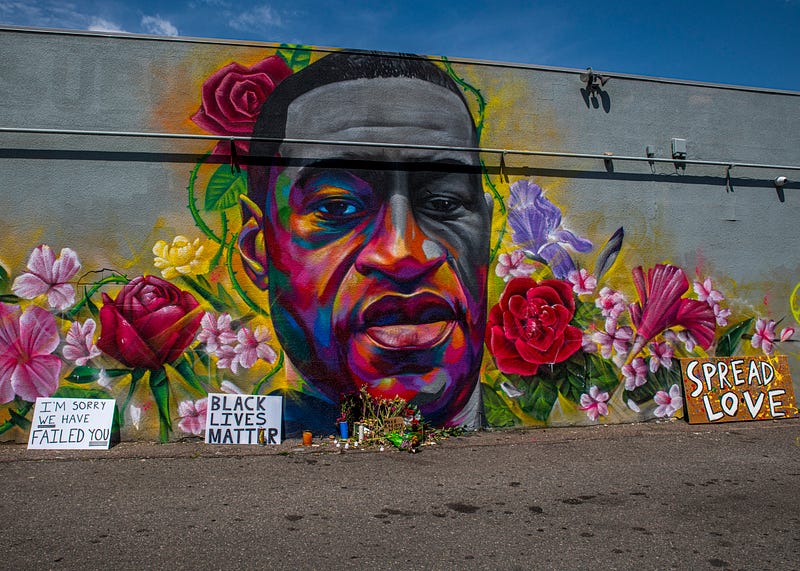
Nearly 30 years later, On May 25, 2020, 46-year-old George Floyd, a black man, was murdered in Minneapolis by Derek Chauvin, a 44-year-old white police officer. When you kneel on a human being’s neck for nine minutes, and that person dies, you’re a murderer.
And despite losing her son to police brutality, Nichols’ mother, RowVaughn Wells, said: “I want to say to the five police officers who murdered my son, you also disgraced your own families when you did this. But you know what? I’m going to pray for you and your families.”
How the fuck do you arbitrarily decide you’re going to beat a man — any man — to death? Nichols’ “resistance” was a hope that he would not lose his life that night. And Tadarrius Bean, Demetrius Haley, Desmond Mills Jr., Emmitt Martin III, and Justin Smith decided their version of justice would allow them to do what they did to a 29-year-old FedEx worker who wanted only to make it home that night.
Instead, he was chased, tased, and passed around among these cops like a pinata, each taking a swing at him.
The videos tell the story. But be warned; they are not easy to watch, and each video is progressively worst.
I do not want to paint police with a broad brush, but that’s becoming more and more difficult to do with each police beating of an innocent man.
Nor will I tell you it’s easy to be a cop. It’s not. But the actions of these officers — and those like these five men — can no longer be called an aberration.
Yes, a jury will decide if these officers are guilty of the charges against them. But frankly, whether or not these men spend any time in jail will do nothing to bring Tyre Nichols back. There are not enough attorneys and money to make his family whole again. It’s a scar over their hearts that will be with the Nichols family forever.


