
Typography trends 2024
Typography is more than just text. It’s the visual language that has tone, style and personality. Let’s take a look at some typographic trends that are shaking up the world of design in 2024, and how they will shape the way we view and engage with written content online and beyond.
Variable fonts for dynamic typography
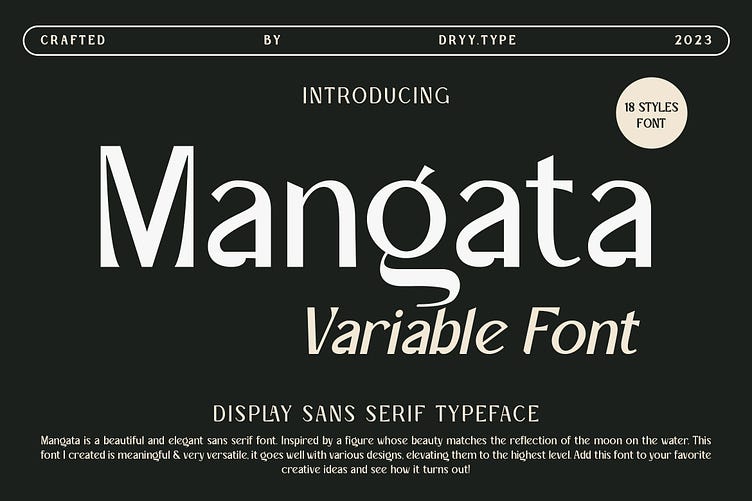
With variable fonts, designers can create responsive typography using a single font file. This means that font properties such as weight, width, slant, and more can be adjusted dynamically, allowing for a more personalized reading experience. This trend encourages creativity by allowing for dynamic changes to font properties.
Maximalism and bold typography
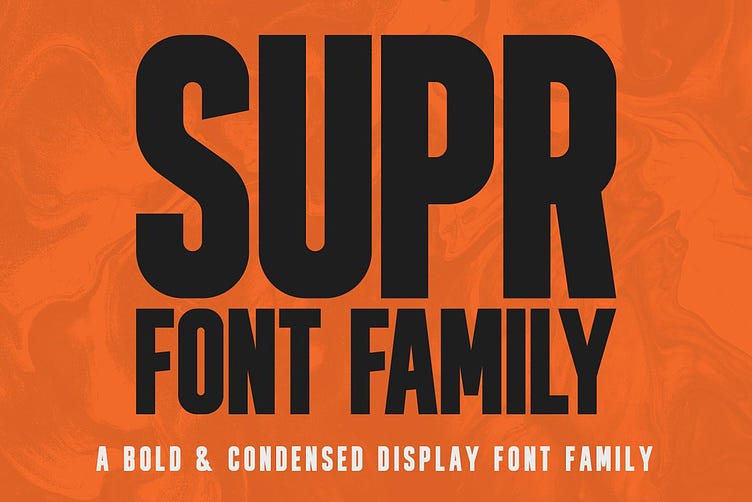
Maximalism is a style of typography that emphasizes bold, colorful, and eye-catching lettering. In this style, typographers are creating large, eye-catching typefaces with distinctive shapes and complex characters that make a powerful visual impression and evoke feelings of energy and enthusiasm.
Serif fonts in digital design
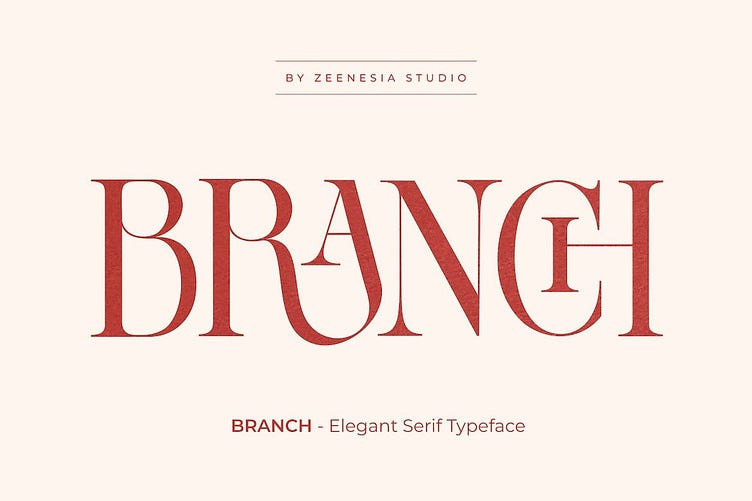
Serif fonts, traditionally associated with print, are making a comeback in digital design. The elegant and timeless characteristics of serifs bring sophistication to online content, creating a harmonious blend of tradition and modernity.
Handwritten and script fonts
Handwritten and script typefaces are becoming increasingly popular due to the need for personalized and authentic design. Handwritten and script typefaces add a touch of warmth, uniqueness, and humanity to digital and print content, creating a personal connection with the reader.
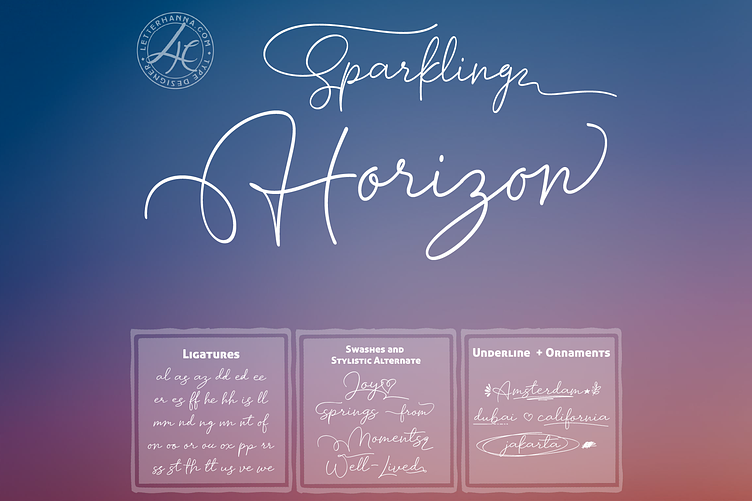
Mixing typography styles
Designers are mixing and matching different types of fonts in the same layout. For example, combining serifs and sans-serif fonts, or combining bold headlines with subtle script fonts, create a dynamic and eye-catching reading experience.
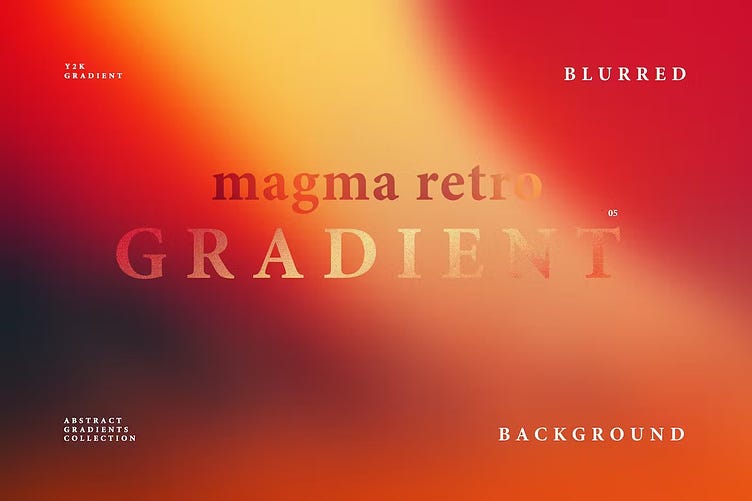
Colorful and gradient typography
Black and white typography is no longer the only option. Color gradients within letters add depth and dimension to the text, making it more visually appealing and blending in with vibrant colors across different design elements.
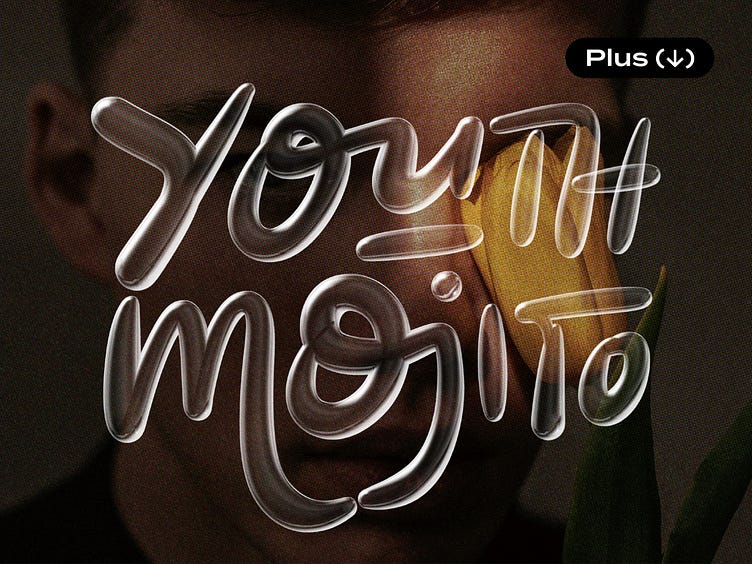
3D and dimensional typography
3D typography adds dimensionality to the letters, giving them depth and realism. 3D typography is used to make headlines and logos more eye-catching and eye-catching.
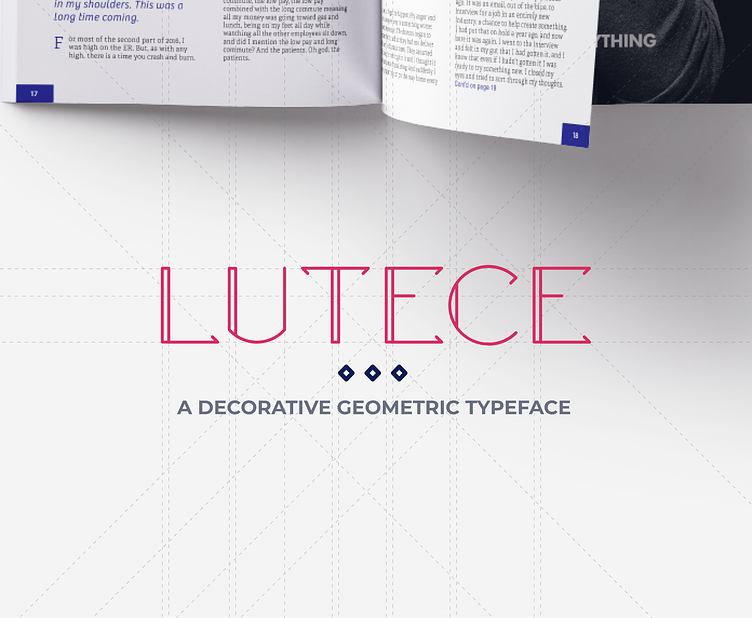
Geometric and abstract fonts
Geometric and abstract typefaces are becoming increasingly popular due to their futuristic and progressive style. These typefaces are often characterized by irregular shapes, complex patterns, and asymmetries, giving them a modern and eye-catching look.
Responsive typography for various screens
With so many devices and screen sizes out there, responsive typography has become a must-have. Designers are focusing on making sure that text is easy to read and understand on different devices and screens, so that it can adapt to different sizes without sacrificing the user experience.
Custom fonts and branding
Brands are increasingly investing in custom fonts to establish a unique and recognizable visual identity. Custom fonts align with brand values, creating a cohesive brand image and fostering brand loyalty.
It’s no secret that typography is an art form that is constantly changing. Trends in typography for 2024 reflect the dynamic combination of tradition and modernity. As designers dive into the world of variable typography, bold typography, and diverse typography styles, it’s no surprise that the world of letters is a fertile place for creativity and story-telling.


