
Two Working Class Heroes From the 1950s
An Autobiography (3)
I am writing this because I want to tell about the era I was born into, the family I was born into and the life I had. I want to tell my story so that those who come after us, children and grandchildren and others, can read and get to know the past a little. I think that when we know the past, our history, we also get to know ourselves a little better.
I was born and grew up in the town of Odda, a small industrial town situated at the southern end of a long fjord in the western parts of Norway.
I am not able to remember that much for the first years I lived. My parents met when the World War II ended in 1945. My father was the youngest of a group of six siblings from a farm on the island of Radøy north of Bergen. During the war he had traveled inland to look for work, and I know little about where he lived and what he did during the war years. But I know that he mostly stayed in the Hardanger region during these years.
In May 1945, he came with the local boat to Nå, a small village in Hardanger where my mother was born and raised, on the farm of her parents, at Bleie. My mother had one sister and three brothers.
My mother and my father met when my father came to look for work on the farm, and this meeting resulted in love between them and a lifelong relationship.
Mother and father married in Bergen on March 8, 1947. I was there too, so to say, as I was born in September the same year. When later in life, as an adult, my mother and I talked about the fact that I was born six months after they got married, she smiled a little, but I got the impression she was hesitant to talk about it. At this time, in the 1950s and 60s — and perhaps until the end of the 1970s, it was not socially accepted that a couple had children without being married — to have “children out of wedlock” it was often called, and it was disgraced.
I was then obviously a reason why they got married, but I’m still sure it was not just me who was the reason they got married. There was enough love that brought them together and that bound them together, I’m sure from what I’ve seen after growing up and living the first 19 years of my life in my family.
I have no doubt that I had luck with the family I was born into. I grew up in a good home; I had two parents who worked seriously and tirelessly to build their lives and our family. They wanted the very best for themselves and their two small children, and they worked tirelessly to create the good home we had, my brother and I.
Yes, we were two siblings. When I was five years old my mother gave birth to a little brother, who was named Vidar. The two of us grew up together and shared the second bedroom in the apartment.
My father was a man who I think of as gentle and outgoing, while my mother was more of an introvert.
My parents were real workers. My father worked at the factory, Odda Smelter. Neither he nor my mother received an education, and worked in the ‘profession’ that one has later used to call unskilled. Mother had a full-time job, as it was then, in taking care of all the housework, buying food and getting clothes and equipment for the house, making and serving food, keeping it tidy and clean in the house, washing clothes, etc. — a full-time job and more in the 1950s and 1960s.
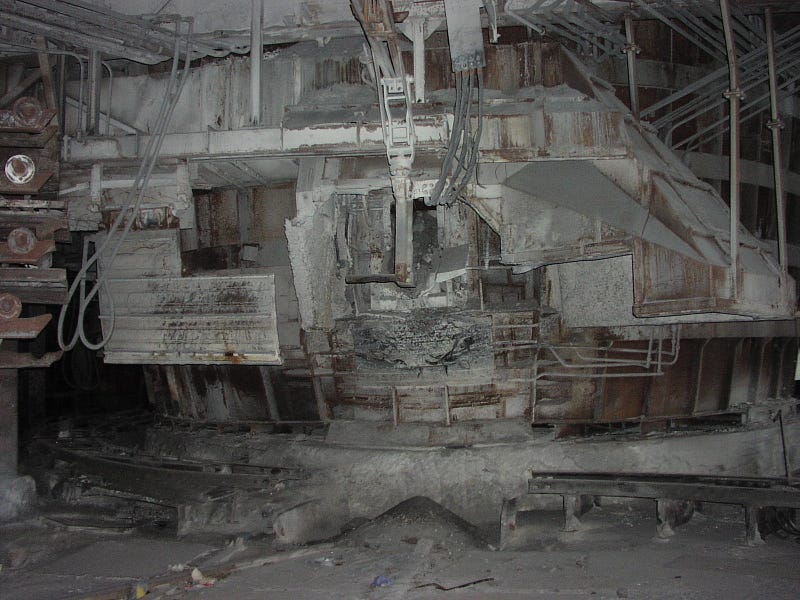
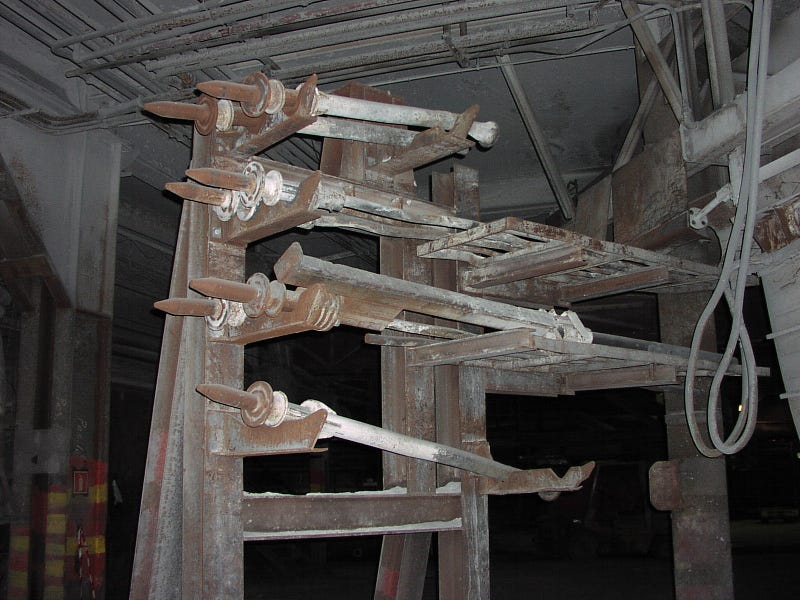
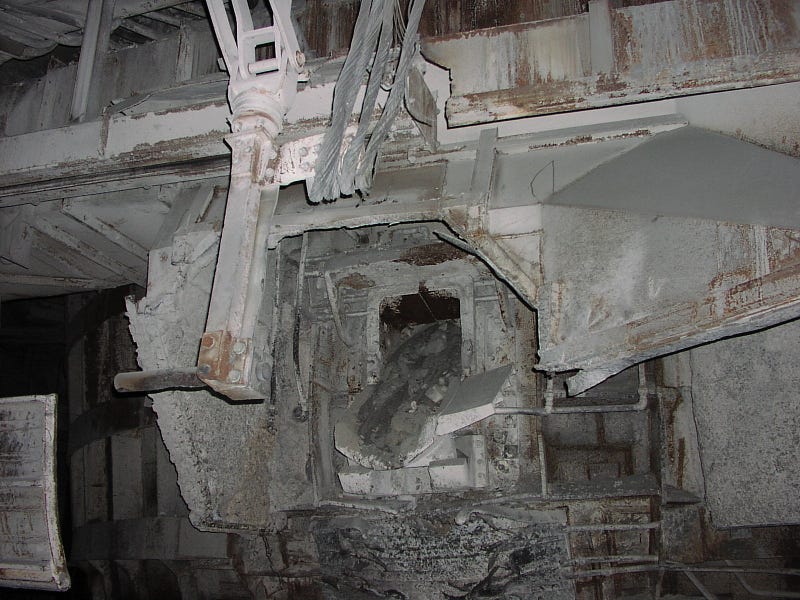
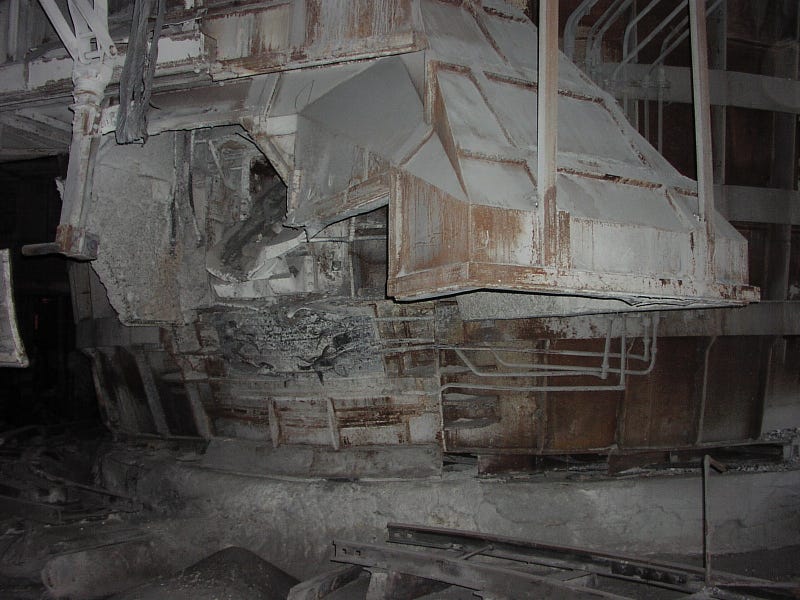
Dad did all sorts of incidental work at the factory. It was mostly what they often called shit work, many heavy tasks, a lot of dust and dirt, a lot of cold and a lot of strong heat when he had to clean or repair things that had gone wrong inside the smelter.
I remember that one day my mother came proudly and told me that my father had now been given the title ‘repairman’. Mother seemed clearly happy about this, but I understood that — despite the title ‘repairman’ — it was not a proper job and title he had been given, since he had no professional education.
I understood over the years that my father was a kind of “all-rounder” at the smelter. I later discovered that he went by the name “Truls”. At first, I thought there was something negative about this nickname that his co-workers used on him inside the factory, but I realized after a while that my father was well liked by many in the factory community. He had a gentle nature, was sociable, talkative and engaged in what was happening inside the factory and in the local community.
My father was — as we say in Norway — like the potato, he could be used for everything. In addition, my father went 100 percent and more than that up in what he was doing.
There was 24-hour operation at the factory, and that meant that my father went on shifts at the factory most of his working life. It was an eight-hour shift, morning, afternoon and night, in an alternation between day and night work according to a certain pattern. This meant that he had to sleep during the days after the night shift, so in those days it was important that we were quiet, my brother and I, and did not disturb his sleep.
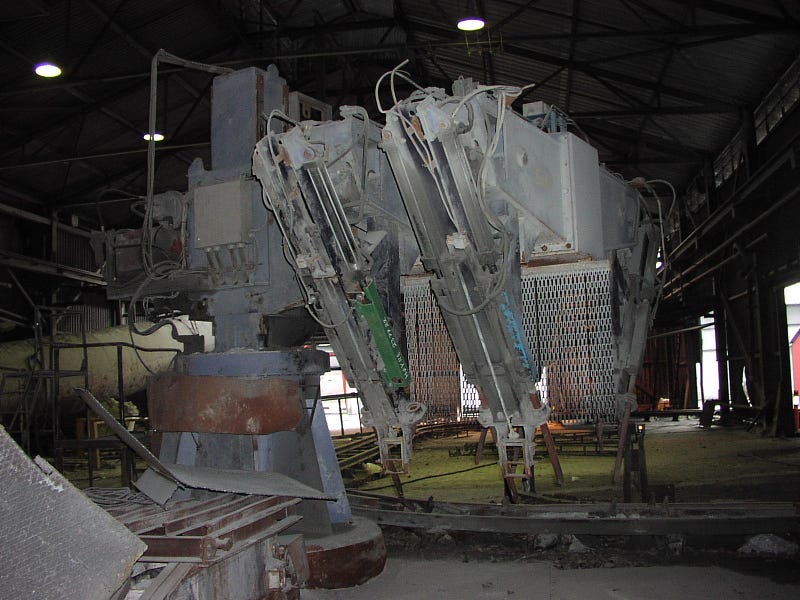
A historical note:
The production of calcium carbide in Odda began as early as 1908 under the auspices of the British Alby United Carbide Factories, based on hydropower from A / S Tyssefaldene. The reason was the need for calcium carbide as a raw material for acetylene. The following year, the North Western Cyanamide Company began production of calcium cyanamide (used for fertilizers) at the same factory site.
Thank you for reading! If you liked, you may read more here:
Previous:
A Lucky Man — A Human Being in Life, In the World, An Autobiography (2)
Next:
Øivind H. Solheim is a novel author and a nature photographer from Norway who loves writing fiction, poetry, essays, and articles helping others understand life, other humans, and themselves. He has published six novels, two non-fiction books, and a poetry book.
Visit Øivind H. Solheim’s profile
Become a Medium member, read thousands of writers and support my writing.