
Two Ways Advocacy Movements Exclude Autistic People, And How You Can Do Better
There is space for autistic and disabled people in all good movements
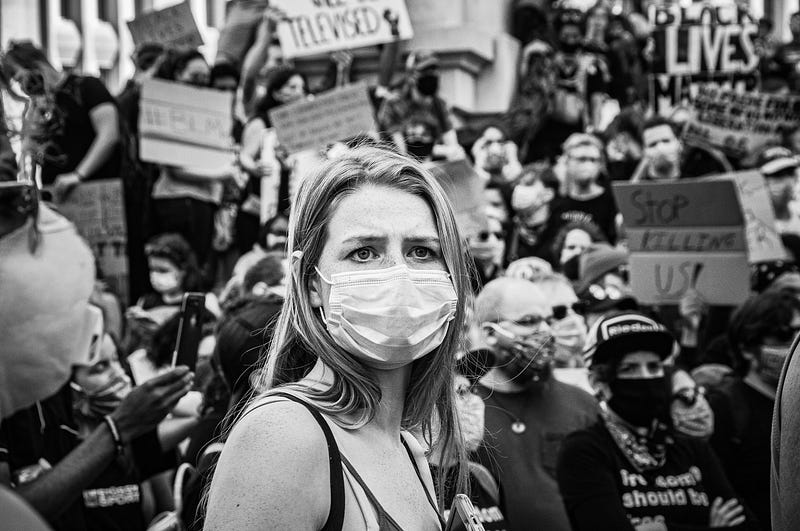
In the last few years, there has been a palpable increase in advocacy, especially in the late teens and early twenties demographic. My generation is, increasingly, deciding to fight against the injustices we see in society. The Black Lives Matter protests, Friday Climate Strikes, and widespread boycotts have become a hallmark of the youth. Many, myself included, see this as a good thing. More political participation will lead to better representation.
However, as with all movements, there are issues and growing pains. While these movements tend to use the language of inclusivity and intersectionality, they often accidentally exclude a group I am a part of autistic people.
There has been a wider discussion of how advocacy movements exclude disabled people, but as an able bodied person I feel unsuited to writing that article, so I will focus specifically on autism in this article, and encourage all of you to read this Everyday Feminist article that discusses disability more broadly.
That being said, here are two big ways that some advocacy movements exclude autistic people, and my suggestions for fixing them.
A Focus on Protest
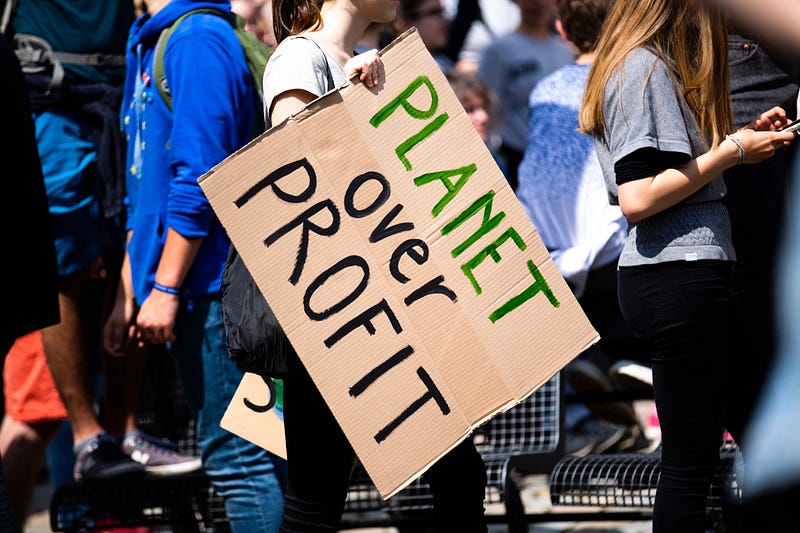
Protesting is a time-honored and effective way to bring about change. It is imperative that we, the people, make our voices known. However, this is not always possible. I, personally, cannot protest. I often struggle to complete a grocery trip. I cannot stand outside, surrounded by people (loud people), for hours without pretty severe overstimulation setting in. I commend those who can engage in protests, but I am no less politically active than they are.
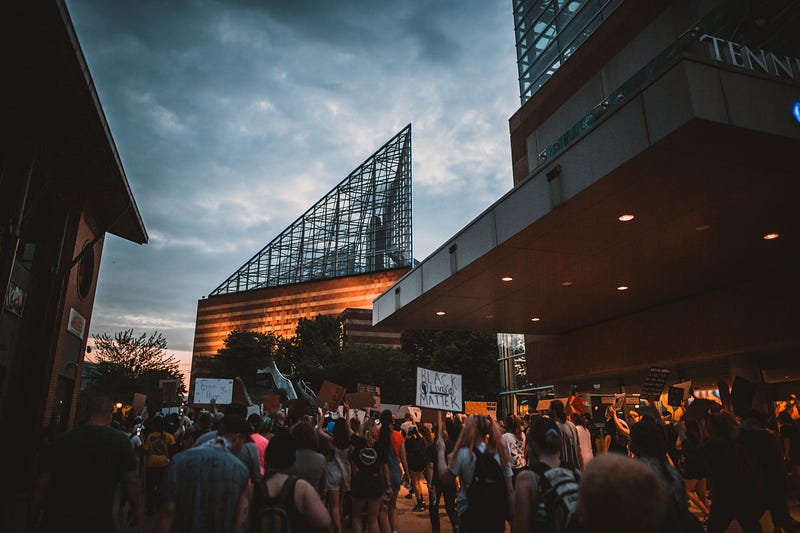
During the Black Lives Matter protest, I saw posts circulating, mainly around Instagram, guilting those who were not participating in the protests. I felt bad. Every time I have the opportunity to attend a protest but fail to, I feel guilty. But I shouldn’t. I am not capable of healthily attending a protest. Perhaps some will argue that my feelings shouldn’t matter and that I should be willing to put myself at risk for others. This is a recipe for burnout and will harm the longevity of any movement. Our goal should not be to force everyone to help in the same way, but rather to get as many people to help as is possible.
If a member of an advocacy group can’t protest, for whatever reason, help them find an alternative way to help the movement, if they desire. Maybe they can create signs for an event, or write emails to politicians, or write up information about the group. We may not be effective in the same ways you are, but we can be equally effective in our own ways. Give us the opportunity to contribute in ways that work for us, instead of forcing us to be like you.

Individualizing Problems
This issue is related both to ableism and the tendency towards performativity, especially in decentralized online movements. Remember the plastic straw bans some states were issuing a few years ago? As Jessica Kellgren-Fozard points out, some disabled people rely on plastic straws, and alternative, eco-friendly options, may not cut it for them. Further, straws only make up about 1% of plastic in the oceans, while 20% of plastic in the oceans comes from the fishing industry. Why not get angry at people for eating fish?
The focus on straws seems almost arbitrary, and the shaming of people who use them is performative. It’s easy to pick something to be angry about and put down those who don’t align with your views. It’s a lot harder to actually get anything done. While I agree that we should take more individual responsibility for the state of our planet and reduce our use of single-use plastics, the big problems in the world are, unsurprisingly, hard to tackle. Companies are polluting the oceans more than individuals. Working to influence legislation and corporate change will have more of an effect than banning straws, and also has the benefit of not perpetuating eco-ableism.
The same eco-ableism affects autistic people. Many of us experience executive dysfunction. When it gets bad, we struggle with necessary daily activities. Cooking and washing dishes are, for me, very difficult at times. When my depression and autism combined to give me horrible executive dysfunction, I relied on single-use plastic-laden microwave meals. And I don’t regret it. Now, even though I’m doing better, I still occasionally buy pre-cut vegetables to make it less difficult to cook healthily. I try to limit my use of single-use plastics, but my executive function issues make it difficult.
Eco-ableism ignores the valid reasons people may have for using single-use plastics. Tweets like this one call pre-cut, plastic-packaged onions “needless nonsense.” And maybe they seem that way to those who don’t need them. But, as many comments point out, arthritic people may struggle with knife skills and prefer pre-diced onions.
Autistic people, here, might require single-use products because of our executive dysfunction. If pre-cut veggies make the difference between eating healthy or not, we should buy pre-cut veggies. We should not be shamed for that. The same goes for any other single-use items. Don’t risk your health. Should companies be trying to create better, less harmful packaging options? Yes. Should we do our best to seek those out? Yes. But at the end of the day, if you have to use plastic, then you have to use plastic.
The focus of advocacy movements should be on creating systemic change. In the meantime, if you are to criticize individual actions, listen to disabled people and check your eco-ableism.
A Conclusion
There are many more problems that could be highlighted when it comes to ableism in advocacy groups, but instead, I want to offer a pretty catch-all solution to these kinds of problems: listen to autistic people in your advocacy. Even if we are not the “target” group, we still exist. Listen to us and include us, or you risk hurting us. There is space for autistic and disabled people in all good movements, all you have to do is not actively exclude us.
Tori Morales (they/them) is an autistic college student writing about mental health, autism, and other topics. You can support them by using their Medium affiliate link or buying them a coffee.
If you enjoyed my article, consider following me on Twitter and checking out my other articles on autism.


