
Two Scams For The Unwary
Stuck with Amazon, and QR code parking scam
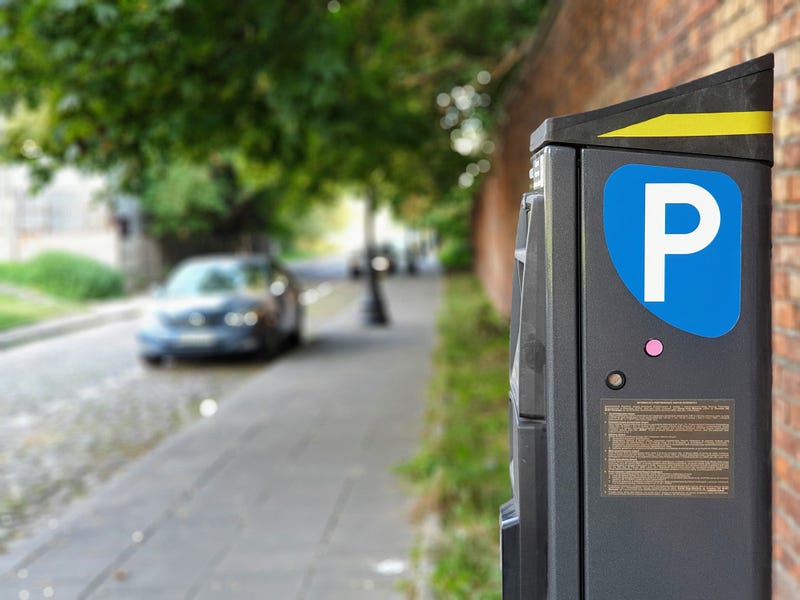
This article covers two relatively new scams, the first fairly harmless though annoying, the second one potentially more sinister.
Stuck with Amazon
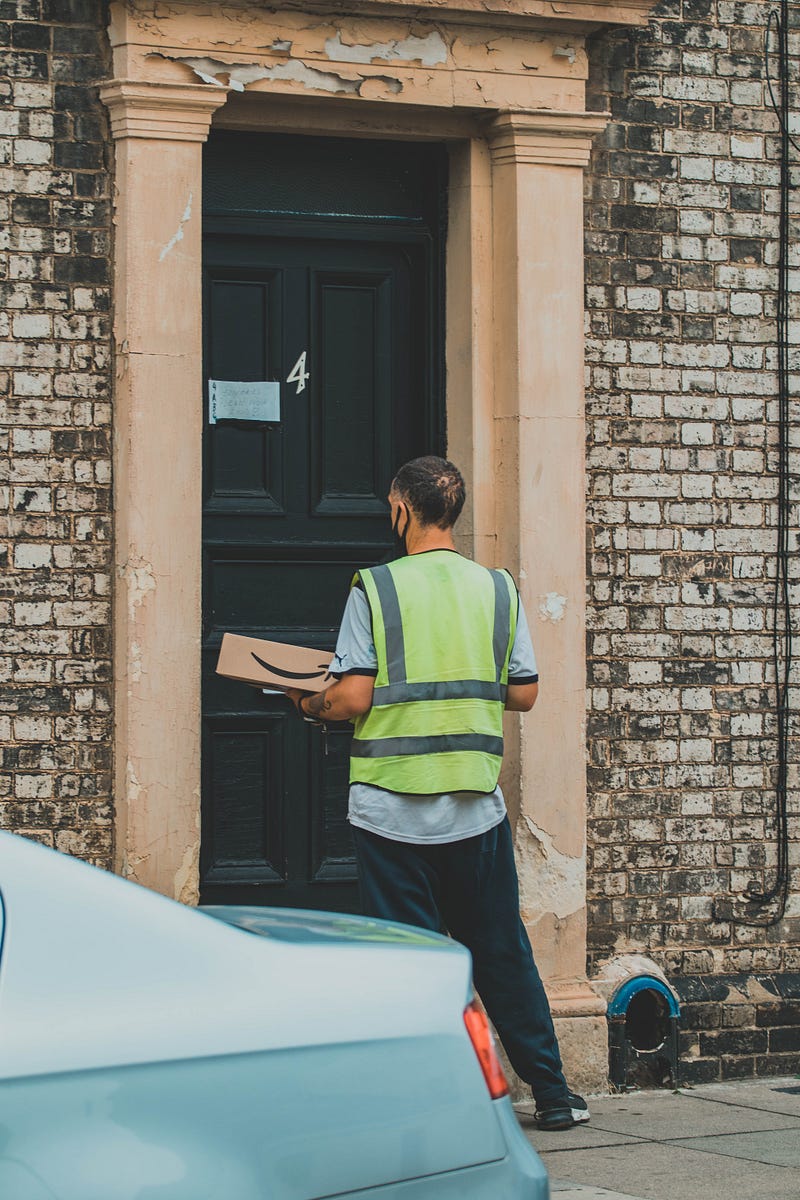
Many of us may be trying to avoid Amazon for various reasons. Of course, it can’t be denied that the “everything company” offers an unbelievable convenience, with almost everything under the sun delivered after a few clicks of the mouse.
However, some of us object to the way Amazon allegedly seeks to avoid paying national taxes thereby defunding important social services. Other people dislike the way Amazon undermines local shops by taking business away, with valued small local traders put out of business by unfair competition, and replaced by distant warehouses. While others may dislike the way Amazon allegedly exploits its workers, seeks to avoid the formation of unions, and undermines hard-won workers’ rights.
So for a variety of reasons, shoppers may seek to buy from other online companies, or better, support local shops. Recently I wanted to order a book, and while Amazon was the cheapest option, I opted to pay a pound more to buy the book on Ebay.
You can imagine my surprise when the book was delivered the next day, and you guessed, the familiar smile logo was on the cardboard package! It was from Amazon. So some people are running businesses on Ebay, effectively using Amazon as a “drop shipper”, while catching out some people such as myself who are trying to boycott Amazon! Rather like Henry Ford who offered customers any colour car you want so long as it’s black, it seems as though we can shop anywhere we like, so long as it’s Amazon!
QR parking code scam
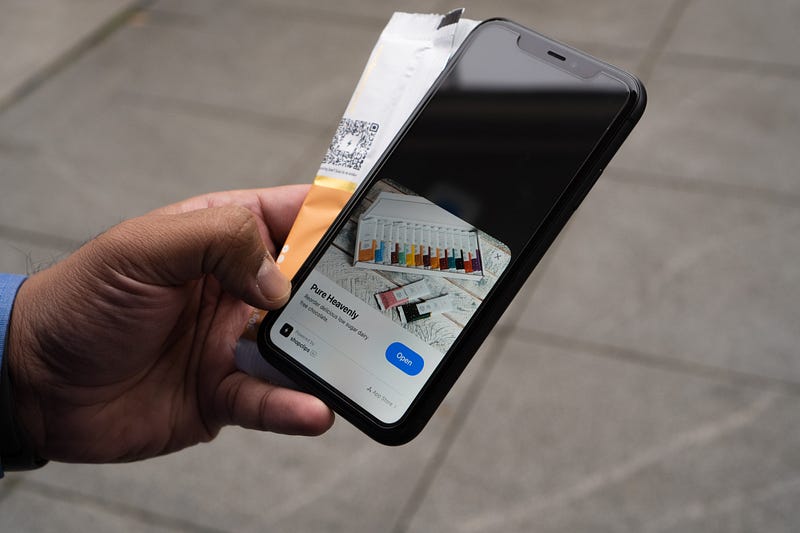
If my Amazon experience made you smile, this next one is more serious and quite sinister. Thieves are sticking QR codes linked to their own bank accounts over the legitimate QR codes in car parks. So when you pay, instead of paying the company monitoring the car park for charges, your payment goes to the crooks, along with your banking details!
It is a scam which is both ingenious and disturbing. If that was not bad enough, there is also the risk of getting fined by the car park owner for not paying the charge! Sometimes it seems as though life is just out to get us.
Other victims have been caught out by similar scams when trying to pay for electric vehicle charging. In other cases, it is the app that has to be downloaded to make payment which is part of the scam, and it may contain malicious code designed to harvest banking details or passwords.
There is more about the QR code scam on the links below –
https://www.independent.co.uk/news/uk/home-news/car-park-payment-scam-code-b2224586.html
In a variation of this scam, people using otherwise legitimate QR codes, have found that they have been unknowingly signed up for subscription services they never asked for, with recurring payments, as this article in the consumer magazine “Which” explains -
If you do get scammed, the official advice is to contact your bank immediately, and they may put a stop on your account and issue new banking details to you.
Do share any of your experiences of such scams in the comments.


