
Two New Major Coalitions for Ukraine: UK to Supply Drones, Lithuania to Lead Demining Operations!
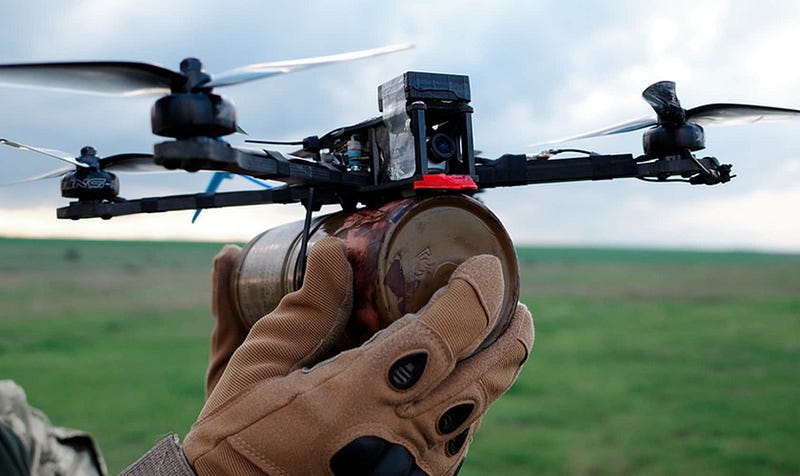
On February 15, 2024, amidst the ongoing NATO Defence Ministers’ meeting, the United Kingdom and Latvia announced a significant step to enhance Ukraine’s military capabilities by forming a coalition aimed at supplying thousands of drones to the Ukrainian armed forces. This initiative, heralded by the UK’s Defence Minister Grant Shapps in Brussels, represents a strategic maneuver to bolster Ukraine’s defense against Russian aggression. The announcement follows British Prime Minister Rishi Sunak’s commitment during his January visit to Kyiv, detailing a substantial aid package of 200 million pounds (approximately 230 million euros) for the procurement of military drones. This coalition, led by the UK and Latvia, underscores a pivotal shift towards integrating cutting-edge technology on the battlefield, specifically through the mass production of drones, including FPV (First Person View) models that have demonstrated significant efficacy since the onset of Russia’s full-scale invasion.
The FPV drones, characterized by their ability to provide pilots with immersive, real-time visuals of the battlefield through virtual reality headsets, are poised to play a crucial role in Ukraine’s tactical operations. The UK’s strategy encompasses not only the production of these drones at scale and at affordable costs but also leverages British industrial capabilities, signifying a robust response to the urgent needs of the Ukrainian military. Defence Minister Shapps emphasized the coalition’s objective to furnish Ukraine with the necessary tools to defend itself and to ensure the failure of Russian President Vladimir Putin’s ambitions.
Simultaneously, a second coalition, led by Lithuania and Iceland, has committed to addressing the critical issue of demining Ukrainian territories liberated from Russian control. This coalition, comprising over 20 countries, aims to tackle the daunting challenge of clearing landmines, a task vital for the safety of returning civilians and the restoration of agricultural and economic activities in affected areas. The memorandum of understanding signed in Brussels highlights the international community’s dedication to supporting Ukraine’s recovery and sovereignty. Lithuania’s Defence Minister Arvydas Anusauskas announced a contribution of transport vehicles and 1.2 million euros towards demining efforts, indicating a broader strategy to not only address immediate military needs but also to facilitate Ukraine’s long-term reconstruction and normalization.
A quick heads-up: Medium’s been tweaking its algorithms and it’s getting trickier for my stories to land in your feed. So, if you enjoy my work, please make some noise! Hit that clap button, light up the highlights, or drop a comment. Every interaction helps keep the stories flowing. Thanks for your support!
These developments mark a significant phase in the international support for Ukraine, showcasing a strategic collaboration aimed at enhancing Ukraine’s defense capabilities and addressing the humanitarian aftermath of the conflict. The formation of these coalitions reflects a concerted effort by NATO members and allied nations to provide comprehensive support to Ukraine, encompassing both cutting-edge military technology and essential demining operations. As the conflict with Russia persists, the global response, characterized by these initiatives, underscores a collective resolve to support Ukraine’s fight for sovereignty and to prepare the groundwork for its eventual recovery and rebuilding.
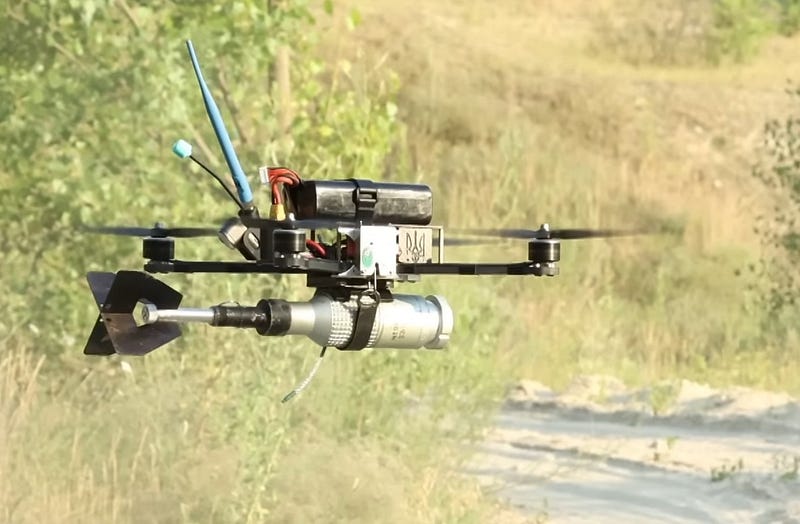
This strategic alignment and the establishment of these coalitions not only signify a commitment to supporting Ukraine in the immediate context of the war but also lay the foundation for a broader, long-term strategy aimed at ensuring Ukraine’s resilience and sovereignty in the face of ongoing aggression. The international community’s focus on both advanced military support through drone technology and the critical humanitarian effort of demining operations highlights a multifaceted approach to assisting Ukraine, demonstrating a blend of tactical and strategic support designed to address both the immediate and enduring challenges posed by the conflict.
The military aid package announced by the UK, though not as vast in monetary terms as previous packages from the United States or the European Union, underscores the principle that every contribution holds significant value in the complex theatre of modern warfare. The focus on providing thousands of drones, particularly FPV (First Person View) models, to Ukraine marks a strategic evolution in the arsenal available to Ukrainian forces. The technical prowess of these drones represents a game-changer on the battlefield, especially considering the current military and geopolitical dynamics.
FPV drones offer a unique combination of surveillance, reconnaissance, and offensive capabilities, enabling Ukrainian forces to conduct operations with heightened efficiency and safety. These drones, controlled by operators who remain shielded within bunkers far behind the frontline, can venture into contested or enemy territory to gather intelligence, track enemy movements, and even target strategic assets such as tanks, artillery positions, and logistics convoys. The significance of FPV drones extends beyond their operational capabilities; they embody a form of asymmetric warfare that allows Ukrainian forces to project power and exert control over the battlefield without risking significant manpower or high-value equipment.
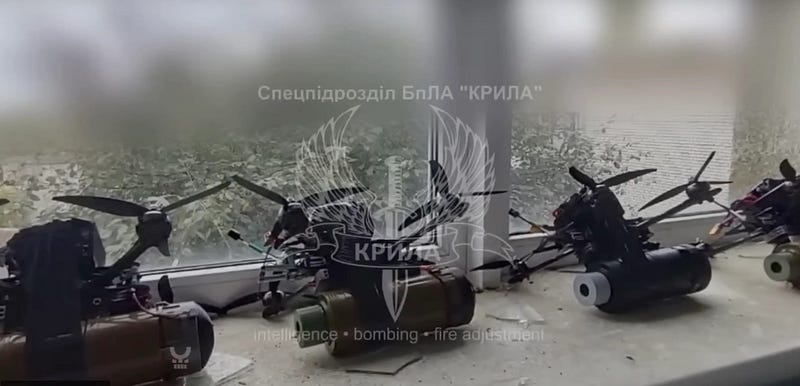
The real-time data relayed by FPV drones provides a tactical advantage, allowing for more precise targeting and the ability to adapt to changing battlefield conditions swiftly. This is particularly crucial in a conflict characterized by fluid frontlines and the need for constant situational awareness. Moreover, the ability of these drones to target high-value assets such as tanks and other important systems disrupts the opponent’s operational capabilities, making them an indispensable tool in Ukraine’s defensive and offensive strategies.
While the UK’s aid package is making its way to Ukraine, the anticipation surrounding the next round of military support from the United States highlights the international community’s ongoing commitment to Ukraine’s cause. The delay in the approval of the U.S. aid package by the House of Representatives underscores the procedural and political complexities inherent in international military support. Nonetheless, the cumulative effect of these contributions, both large and small, is pivotal in sustaining Ukraine’s resistance and bolstering its defense capabilities against a formidable adversary.
The severe mining of frontlines by both Russian and Ukrainian forces presents a daunting challenge, complicating military operations and posing significant risks to both military personnel and civilians. The concerted effort by Lithuania, Iceland, and over 20 other countries to address the critical need for demining operations reflects an understanding of the war’s humanitarian dimensions. Clearing mines from liberated areas is not only essential for the safe return of displaced populations and the resumption of normal life but also facilitates the movement and operational flexibility of Ukrainian forces. The initiative to provide demining assistance, coupled with the supply of transport vehicles and financial support, illustrates a comprehensive approach to aiding Ukraine that encompasses immediate military needs and the longer-term task of reconstruction and recovery.
The strategic and humanitarian initiatives led by the UK, Latvia, Lithuania, and Iceland, supported by a broad coalition of international partners, demonstrate a multifaceted strategy to aid Ukraine. This approach combines cutting-edge military technology with essential demining operations, addressing both the tactical demands of the conflict and the pressing need to mitigate its humanitarian impact. As the international community continues to rally in support of Ukraine, the contributions of these coalitions, both in terms of military hardware and humanitarian assistance, underscore the global commitment to Ukraine’s sovereignty and the broader principles of international law and human rights.