avatarCristina Oliva Patrick

Free AI web copilot to create summaries, insights and extended knowledge, download it at here

2055

Abstract

ium=referral&utm_source=pexels">Tetyana Kovyrina</a> from <a href="https://www.pexels.com/photo/aerial-shot-of-town-1575367/?utm_content=attributionCopyText&amp;utm_medium=referral&amp;utm_source=pexels">Pexels</a></figcaption></figure><p id="dada">Pampinea, one of the characters, sets up clear rules:</p><ul><li>Negative news is not allowed, especially talking about the plague</li><li>Positivity only</li><li>They will tell each other stories to pass the time</li><li>They will take walks before the two daily meals</li><li>They will listen to music, songs, and dancing after meals</li><li>They will have pleasant conversations</li></ul><p id="d987">If you would like to ride a time machine, listen to this beautiful <i>ballata monodica</i>, <a href="https://www.youtube.com/watch?v=_uX9ovDBn7s">Per tropo fede</a>.</p><p id="1ed3">Although most of us can’t go quarantine in a magnificent Florentine villa, we should use some of these suggestions. For example, not following the news about the pandemic 24/7, taking walks while respecting social distance, listening to favorite music, and having pleasant conversations with loved ones and friends on FaceTime, Zoom, or whatever service you use to video call your people.</p><p id="7d93"><b>The <i>Decameron</i> reminds us that we need the support of others to make it through a crisis of any kind.</b></p><p id="732f">Manzoni was born in Milan and wrote the first version of <i>I Promessi Sposi</i> (<a href="http://www.gutenberg.org/ebooks/35155"><i>The Betrothed</i></a>) in 1827. A final revised version was published in 1842. <i>I Promessi Sposi</i> is a historical novel ranked among the masterpieces of world <a href="https://www.britannica.com/art/literature">literature</a>, it is taught in every school to every Italian high school student.</p><p id="1a89">The book is set in Lombardy during the plague in 1628.</p><p id="d88e">In the chapters on the plague, Manzoni dedicates some of the most beautiful and hopeful passages to those who, endangering their lives, devote time and care for t

Options

he people who need it the most. They were mainly friars at the time.</p><figure id="afa1"><img src="https://cdn-images-1.readmedium.com/v2/resize:fit:800/1*4NYmSLRRWatm43bzZF8tNQ.jpeg"><figcaption>Milan. Photo by <a href="https://www.pexels.com/@pixabay?utm_content=attributionCopyText&amp;utm_medium=referral&amp;utm_source=pexels">Pixabay</a> from <a href="https://www.pexels.com/photo/architecture-buildings-gallery-gothic-37079/?utm_content=attributionCopyText&amp;utm_medium=referral&amp;utm_source=pexels">Pexels</a></figcaption></figure><p id="c53f">Manzoni wrote about their extreme courage and their mission to help and support others. <b>The author tells us to be grateful for the work and dedication of those friars, they deserve to be remembered with admiration and gratitude.</b></p><p id="bdce">Today we think about doctors, nurses, and health workers, about their courage and resilience. We think about all the essential workers who are making life through this pandemic bearable for us despite everything.</p><p id="6c22">Manzoni describes a beautiful Italy. An Italy that works hard and fights, silently, to save its people.</p><p id="5d56"><b>An Italy that is today on the balconies, <a href="https://readmedium.com/singing-from-a-balcony-7f6bebb95d3dan">singing</a>, a beautiful Italy that supports who is in need.</b></p><p id="fe8e">This article is inspired by the beautiful online presentation hosted by Portland State University Senior Instructor II of Italian, <a href="https://www.pdx.edu/profile/meet-instructor-angela-zagarella-italian"><b>Angela Zagarella</b></a>, <i>What two great Italian writers can teach us about coronavirus</i>.</p><p id="45df">Thank you for reading my article. I believe in a fair and inclusive world where we can encourage discussion and accept one another. You can find me on <a href="http://twitter.com/lilyspace"><b>Twitter</b></a>, <a href="http://instagram.com/lilyspace"><b>Instagram</b></a>, and <a href="https://www.linkedin.com/in/cristinaolivapatrick"><b>Linkedin</b></a>.</p></article></body>

Two Italian Writers Show Us How to Survive a Pandemic

Boccaccio and Manzoni had some advice for us, centuries ago…
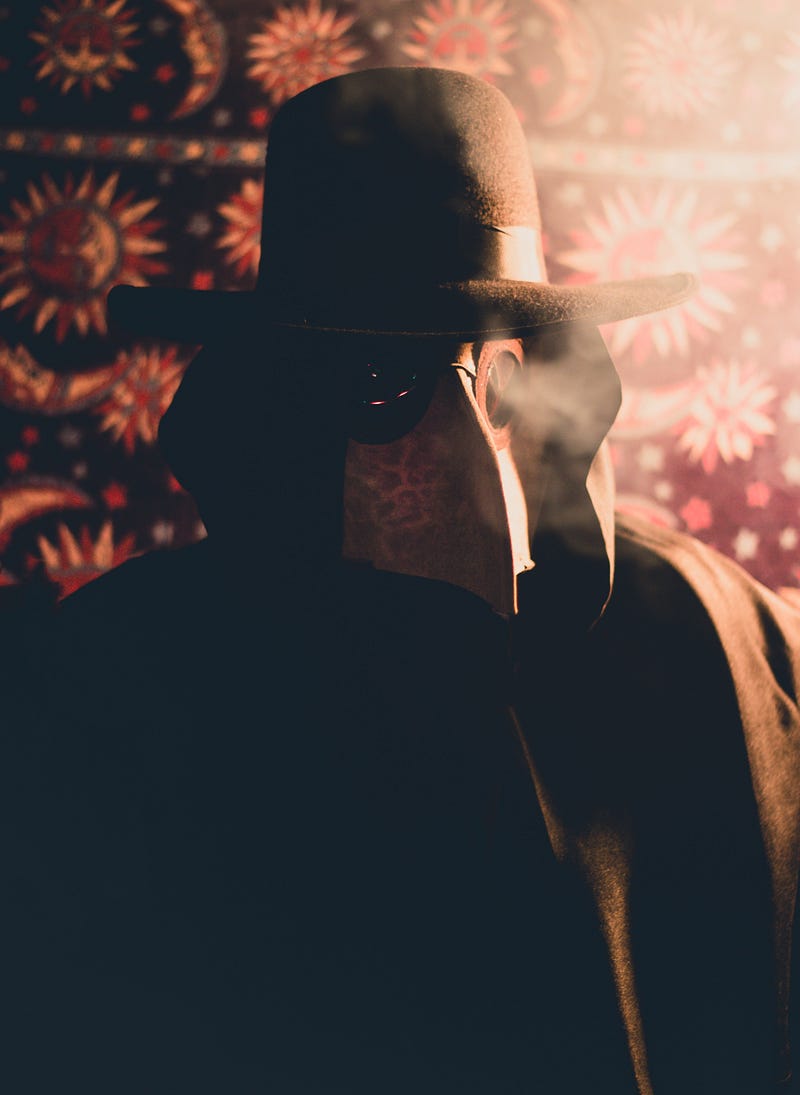
Plague doctor. Photo by Jeswin Thomas from Pexels

Boccaccio in 1353 and Manzoni in 1842 wrote some of the most famous western literature on epidemics.

Giovanni Boccaccio was born in Florence and is a cornerstone of Italian literature and the history of the language. Boccaccio, together with Petrarca and Dante, forged modern Italian language. He lived through the great plague that was decimating the population in 1348, and the experience inspired him to write The Decameron, a story of seven men and three women who decide to go to spend their quarantine in a villa outside the city.

The word Decameron means ten days (Decameron is a combination of two ancient Greek words: δέκα, déka, «ten» and hēméra, “day”). The group will tell each other’s stories to pass the time, for ten days.

This group of ten young people is privileged enough to be able to leave the city, most of us can’t do that. They want to recreate a society more incline to nature and built on harmony, they will be observing their quarantine in this peaceful and beautiful ‘oasis’.
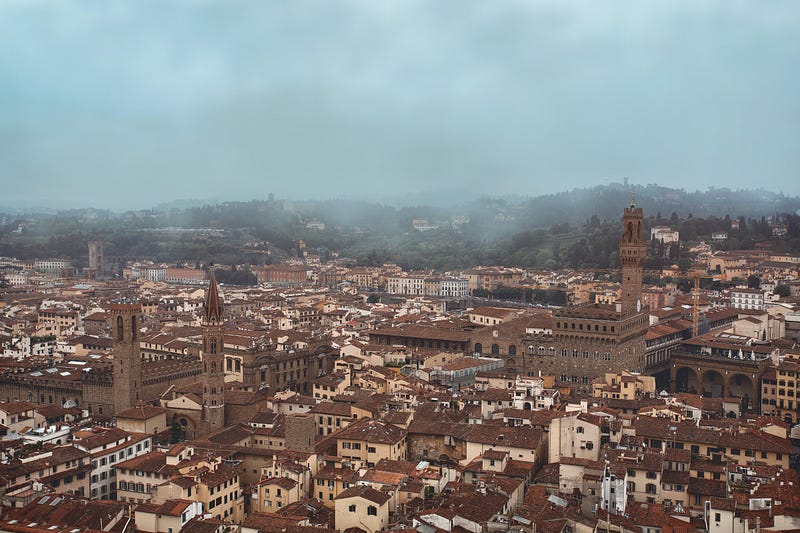
Florence. Photo by Tetyana Kovyrina from Pexels

Pampinea, one of the characters, sets up clear rules:

  • Negative news is not allowed, especially talking about the plague
  • Positivity only
  • They will tell each other stories to pass the time
  • They will take walks before the two daily meals
  • They will listen to music, songs, and dancing after meals
  • They will have pleasant conversations

If you would like to ride a time machine, listen to this beautiful ballata monodica, Per tropo fede.

Although most of us can’t go quarantine in a magnificent Florentine villa, we should use some of these suggestions. For example, not following the news about the pandemic 24/7, taking walks while respecting social distance, listening to favorite music, and having pleasant conversations with loved ones and friends on FaceTime, Zoom, or whatever service you use to video call your people.

The Decameron reminds us that we need the support of others to make it through a crisis of any kind.

Manzoni was born in Milan and wrote the first version of I Promessi Sposi (The Betrothed) in 1827. A final revised version was published in 1842. I Promessi Sposi is a historical novel ranked among the masterpieces of world literature, it is taught in every school to every Italian high school student.

The book is set in Lombardy during the plague in 1628.

In the chapters on the plague, Manzoni dedicates some of the most beautiful and hopeful passages to those who, endangering their lives, devote time and care for the people who need it the most. They were mainly friars at the time.
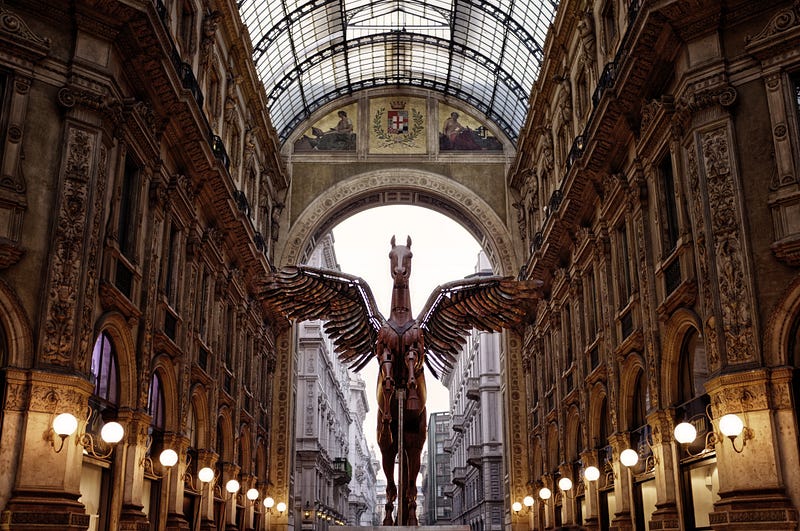
Milan. Photo by Pixabay from Pexels

Manzoni wrote about their extreme courage and their mission to help and support others. The author tells us to be grateful for the work and dedication of those friars, they deserve to be remembered with admiration and gratitude.

Today we think about doctors, nurses, and health workers, about their courage and resilience. We think about all the essential workers who are making life through this pandemic bearable for us despite everything.

Manzoni describes a beautiful Italy. An Italy that works hard and fights, silently, to save its people.

An Italy that is today on the balconies, singing, a beautiful Italy that supports who is in need.

This article is inspired by the beautiful online presentation hosted by Portland State University Senior Instructor II of Italian, Angela Zagarella, What two great Italian writers can teach us about coronavirus.

Thank you for reading my article. I believe in a fair and inclusive world where we can encourage discussion and accept one another. You can find me on Twitter, Instagram, and Linkedin.

Pandemic
Covid-19
Italian
Literature
Life Lessons
Recommended from ReadMedium