Two Developed Countries. How Different Can They Be, Right?
Eh.
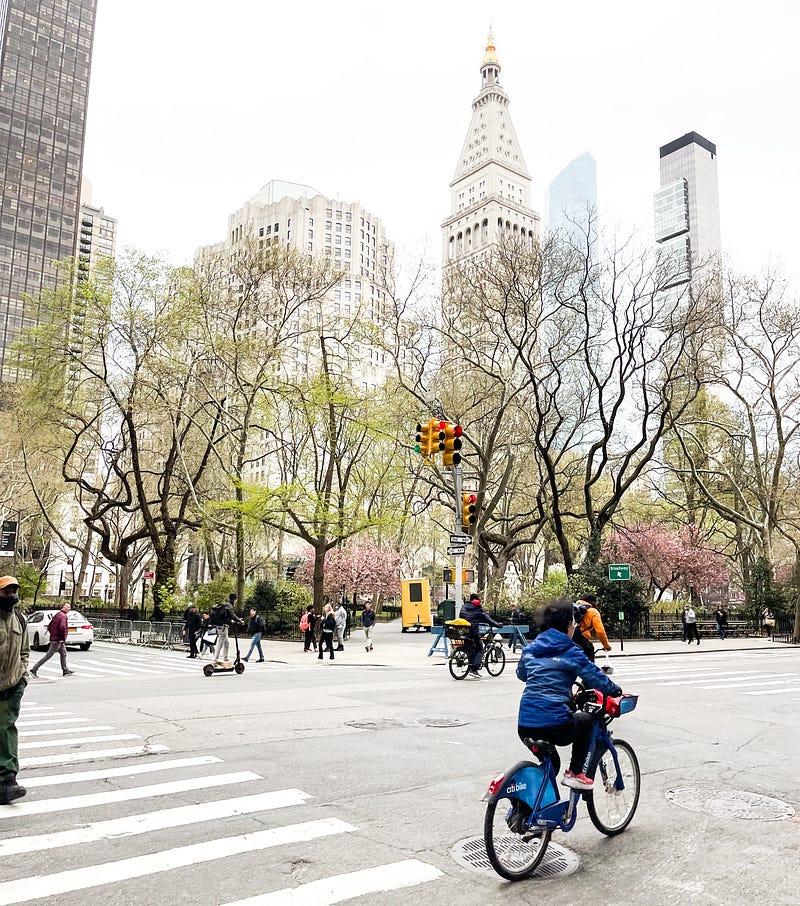
That was my thought when my then-boyfriend and I decided to give our relationship a shot. I was 20 and didn’t know too much about the United States other than what I’d seen and experienced during my semester abroad in New York City. Pure bliss, urban living and lots of good food and awesome friends.
I only left the city twice during that semester, one time to go skiing upstate, and once to meet my boyfriend’s family. I was all about living the city dream.
Note to former self: New York City is not representative of the entire United States. There are 50 states, what were you thinking? (fried brain emoji)
Although Norway and the United States share some values and cultural ways of living, they are different. Very much so.
Diversity
There’s so much more of it in the United States.
The odd thing is that you see it on the streets, in schools, cities, food scenes, not in the government. This country has had one president who was not white, and they have yet to have a female leader.
In Norway, you don’t see too much racial diversity day-to-day, unless you live in Oslo. It’s boringly white. In the government, however, you’ll find female leaders, minority leaders, young, and old. There’s a lot of everything.
The current justice minister is a 29-year-old woman.
Too young for the role? Maybe. But it’s cool that they’re doing it anyway.
Ambitions
In the United States, “The American Dream” has been a mainstream idea you’re supposed to strive towards, since, forever. This dream is highly focused on stuff. House, car, family, good job.
Check, check, check, check.
To reach it, you go to college, get good grades, do an internship that turns into a job and from there you start climbing the ladder.
There’s nothing wrong with wanting that but it’s very different than the cultural ambitions you see in Norway. Although most people living in this part of the world eventually buy a house, a car, settle down with a family and a job, it’s not viewed as an ambition or a dream.
It just happens, and it’s not rushed.
With college being free, Norwegians tend to study for a long time, figuring out what they want to become when they grow up. When I started on my bachelor’s degree in journalism, there were a few people in my class that already had a bachelor’s degree in something else but decided they wanted to pursue news. They were not going to drown in college debt, so why not try and fail a little? It was part of the process.
And when they graduate, however many years it may take, they get a job.
The job is just that. A job.
Here in the United States, it is different. Not only do you need a job for health insurance, but if you’re a family and you have young kids, you need a job to pay daycare tuition. If you go the route many choose, you need a job so you can save up for your kids’ future college years.
Americans are also more ambitious. It’s not uncommon here to find people who genuinely want to strive, see how far up they can go.
The American Dream might be fading or redefined with the next generation growing up, but taking a quick look at the homes (mansions) being built these days, I have a feeling it’s alive and well as of now.
Food
There’s a social aspect, some may even say culture, of casually going out to eat that I love about the United States. Morning coffee, happy hour, weekend breakfasts, apps and drinks with friends.
Although it isn’t necessarily the healthiest for your body or best for your wallet, there’s simply something fun about it. It doesn’t always have to be grand, or frequent.
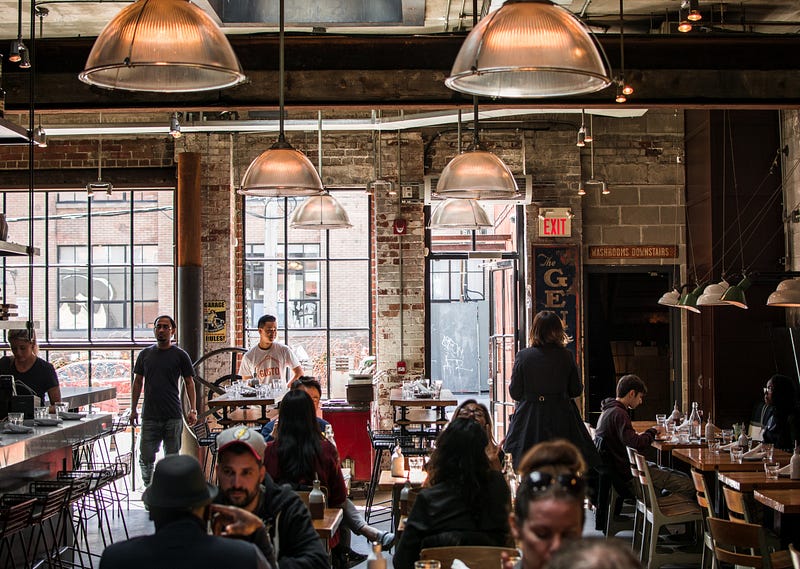
We can all use something to cheer us up now and then. Just simple things that add to our happiness. Personally, I love food, and I love being social.
In Norway, there aren’t as many options when it comes to eating out. You’ll find restaurants and adorable cafes, but hours are somewhat limited and frankly, it’s not very affordable to go out for a casual meal in Norway. You’re not going to find $5 margaritas or cheap NYC-style pizza.
When it comes to grocery stores and school foods, it’s a different world.
Certain food colorings are banned in Norway but are used in candy for kids in the United States. The drink Mountain Dew is banned across the European Union, and here, living in suburban America, my son is annoyed that I don’t let him drink it when all his friends (with the exaggeration of an 8-year-old) are allowed to.
Politics
I’ve seen the best and the worst of local politics, covering school boards during a global pandemic. Then there’s the national aspect of politics. It’s extremely polarizing and it’s just not going to change anytime soon. I’m already dreading the next election and all the political yard signs.
It’s like politics is religion or an addicting drug.
But it’s not. It’s politics.
In Norway, the election campaigns last about two months. The election process has always been civil and relatively calm. Politicians are even friends despite being on different political parties.
Can you imagine that happening here?
These two, unique, developed countries both have their charms and quirks. You’ll find things that are beyond frustrating and annoying, but in-between the mess of it, you’ll find pockets of treasures; people, places, food, memories.
All the good stuff.