avatarB.R. Shenoy

Free AI web copilot to create summaries, insights and extended knowledge, download it at here

1849

Abstract

to warmer areas. During the winter, they struggle to stay warm and cannot find adequate food for their young. Duck migration is also important for breeding and egg laying.</p><figure id="8e71"><img src="https://cdn-images-1.readmedium.com/v2/resize:fit:800/1*7pyjp0vzgbSI6PHdikCHMw.jpeg"><figcaption>Image by <a href="undefined">B.R. Shenoy</a></figcaption></figure><p id="652b"><b>6</b>. 🦆 Male ducks are referred to as drakes. Female ducks are referred to as hens. Ducklings are young ducks.</p><p id="a805"><b>7</b>. 🦆 Because ducks are omnivores, they will consume grass, plants, insects, seeds, fruit, fish, crustaceans, and other foods.</p><p id="295a"><b>8</b>. 🦆 Ducks keep themselves clean by preening, which removes dust, dirt, and parasites.</p><p id="2fa7"><b>9</b>.🦆 Ducks have waterproof feathers that they use to keep predators and the sun at bay. These feathers also aid in keeping them warm and dry.</p><p id="b6e6"><b>10</b>. 🦆 Ducks are economically significant because they provide us with eggs, meat, and down feathers. The latter is used in the production of pillows, mattresses, and comforters.</p><figure id="4d1f"><img src="https://cdn-images-1.readmedium.com/v2/resize:fit:800/1*8V7Nx-dbQztSGG7fou0WNA.jpeg"><figcaption>Image by <a href="undefined">B.R. Shenoy</a></figcaption></figure><p id="6e71"><b>11</b>.🦆 After mating, male ducks go through an eclipse plumage. For several weeks, the drakes lose their striking plumage and resemble females. Male ducks lose their ability to fly for about a month during this time.</p><p id="4445"><b>12</b>. 🦆 Ducks can live anywhere from two to twenty years, depending on the species and whether they are wild or kept in captivity.</p><p id="0504"><b>13</b>.🦆 Ducks drink water via a tube in their bill. They use this tube in their bill to filter out food particles that coul

Options

d clog their digestive system when they drink water.</p><p id="1d0e"><b>14</b>. 🦆 Ducks’ webbed feet assist them in paddling in the water.</p><p id="4c1b"><b>15</b>. 🦆 Ducks are prey to a variety of predators, including giant birds, crocodiles, snakes, and foxes.</p><figure id="e525"><img src="https://cdn-images-1.readmedium.com/v2/resize:fit:800/1*7-PNh0ZnS7FwZg_WZRQI7g.jpeg"><figcaption>Image by <a href="undefined">B.R. Shenoy</a></figcaption></figure><p id="bab4"><b>16</b>. 🦆 The following characteristics are shared by all ducks: small stout bodies, short bills, and webbed feet.</p><p id="3b71"><b>17</b>. 🦆 Duck feet cannot feel cold because they lack blood vessels and nerve endings.</p><p id="d090"><b>18</b>. 🦆 For over <b>500</b> years, humans have kept ducks as pets and farm animals.</p><p id="1554"><b>19</b>. 🦆 The world is home to nearly <b>130</b> different duck species.</p><p id="6a65"><b>20</b>. 🦆 Ducks have good vision and can see in color. They’ve got three eyelids.</p><p id="31d0"><i>There you have it. Now you can impress your friends with your new knowledge about ducks.</i></p><p id="6d70"><b><i>Do you have any more information about ducks? Please share in the comments.</i></b></p><p id="2904"><b>More from this author:</b></p><div id="bec9" class="link-block"> <a href="https://readmedium.com/duck-heaven-3892be73a2a1"> <div> <div> <h2>Duck Heaven</h2> <div><h3>Surrounded by my feathered friends, I am in my happy place</h3></div> <div><p>medium.com</p></div> </div> <div> <div style="background-image: url(https://miro.readmedium.com/v2/resize:fit:320/1*fGxSD09uT4rYr5pvWUvlQA.jpeg)"></div> </div> </div> </a> </div></article></body>

Image by B.R. Shenoy

PHOTOGRAPHY/INSPIRATION

Twenty Fascinating Duck Facts

There is much to learn about our feathered friends

“Not the cry, but the flight of a wild duck, leads the flock to fly and follow.” - Chinese Proverb

Ducks are frequently seen in our neighborhood’s parks. I never gave much thought to the large number of ducks that live in this part of the country.

I’ve always enjoyed watching and photographing this bird species. However, it wasn’t until the pandemic that I became aware of the differences between duck species.

I suppose the pandemic has caused everyone to spend more time outside and in nature. As a result, we have all grown to value nature and animals even more.
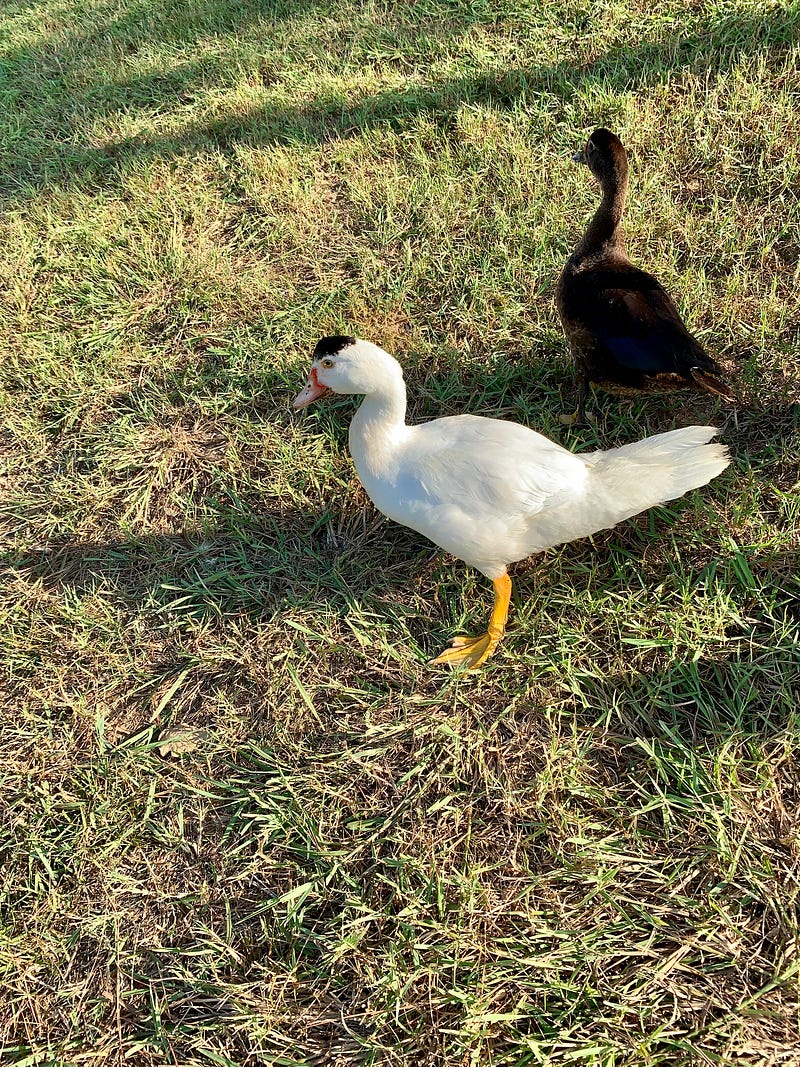
Image by B.R. Shenoy

For those who are interested, I thought it would be worthwhile to write a piece about our feathered friends.

Here are some interesting duck facts:

1. 🦆 Ducks, like their relatives swans and geese, are members of the Anatidae family of birds.

2. 🦆 Ducks are aquatic animals because they live in ponds, streams, and rivers.

3. 🦆 Ducks are small to medium-sized water birds, hence the term “waterfowl.”

4. 🦆 Except for Antarctica, ducks can be found all over the world.

5. 🦆 During the winter, ducks generally migrate to warmer areas. During the winter, they struggle to stay warm and cannot find adequate food for their young. Duck migration is also important for breeding and egg laying.
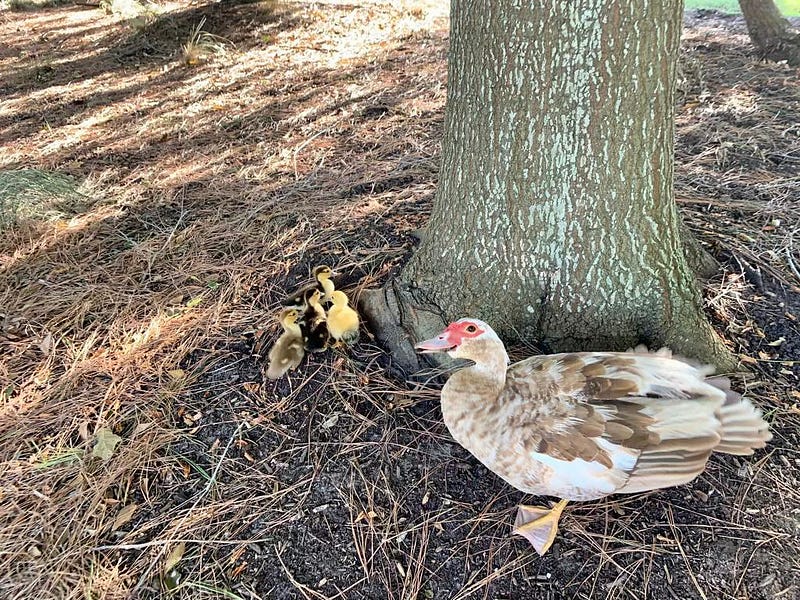
Image by B.R. Shenoy

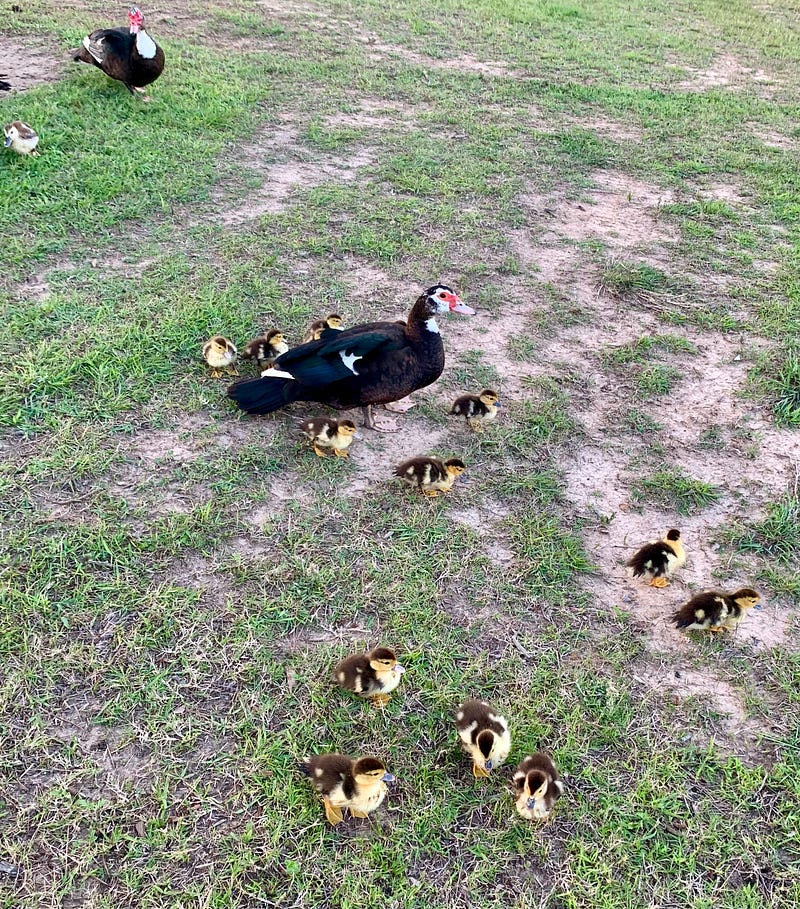
6. 🦆 Male ducks are referred to as drakes. Female ducks are referred to as hens. Ducklings are young ducks.

7. 🦆 Because ducks are omnivores, they will consume grass, plants, insects, seeds, fruit, fish, crustaceans, and other foods.

8. 🦆 Ducks keep themselves clean by preening, which removes dust, dirt, and parasites.

9.🦆 Ducks have waterproof feathers that they use to keep predators and the sun at bay. These feathers also aid in keeping them warm and dry.

10. 🦆 Ducks are economically significant because they provide us with eggs, meat, and down feathers. The latter is used in the production of pillows, mattresses, and comforters.
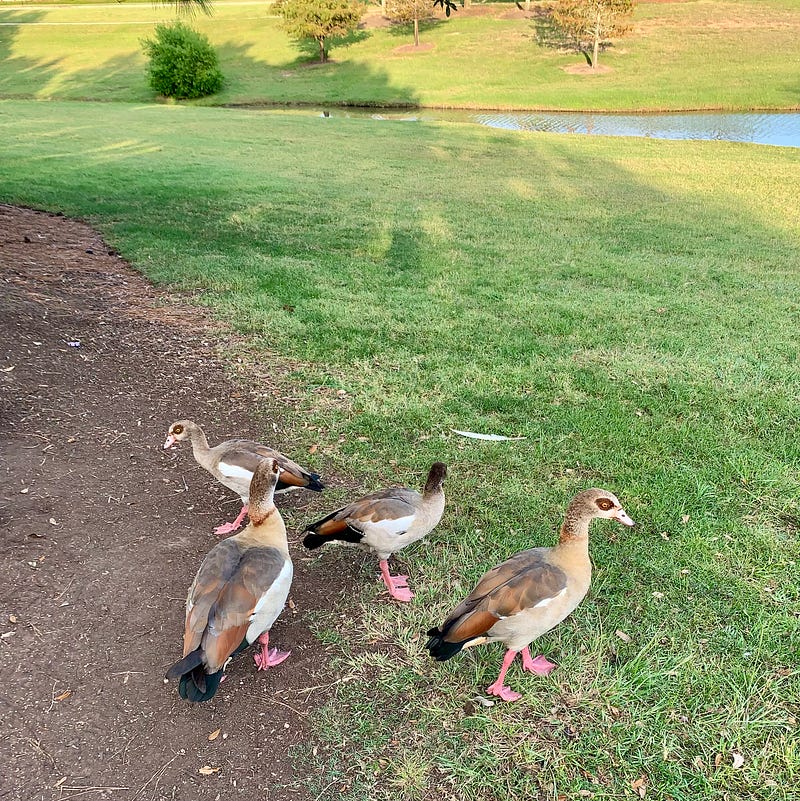
Image by B.R. Shenoy

11.🦆 After mating, male ducks go through an eclipse plumage. For several weeks, the drakes lose their striking plumage and resemble females. Male ducks lose their ability to fly for about a month during this time.

12. 🦆 Ducks can live anywhere from two to twenty years, depending on the species and whether they are wild or kept in captivity.

13.🦆 Ducks drink water via a tube in their bill. They use this tube in their bill to filter out food particles that could clog their digestive system when they drink water.

14. 🦆 Ducks’ webbed feet assist them in paddling in the water.

15. 🦆 Ducks are prey to a variety of predators, including giant birds, crocodiles, snakes, and foxes.
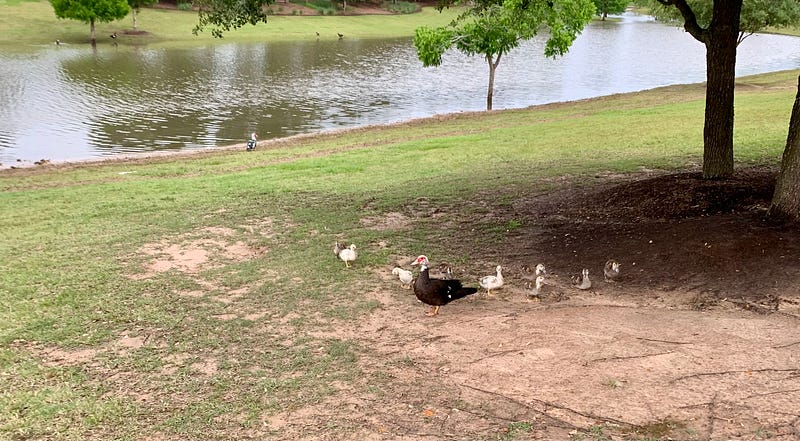
Image by B.R. Shenoy

16. 🦆 The following characteristics are shared by all ducks: small stout bodies, short bills, and webbed feet.

17. 🦆 Duck feet cannot feel cold because they lack blood vessels and nerve endings.

18. 🦆 For over 500 years, humans have kept ducks as pets and farm animals.

19. 🦆 The world is home to nearly 130 different duck species.

20. 🦆 Ducks have good vision and can see in color. They’ve got three eyelids.

There you have it. Now you can impress your friends with your new knowledge about ducks.

Do you have any more information about ducks? Please share in the comments.

More from this author:

Photography
Inspiration
This Happened To Me
Ducks
Nature
Recommended from ReadMedium