
“Turning Tides: Analyzing Historical Revolutions and Their Lasting Impact on Modern Societies”
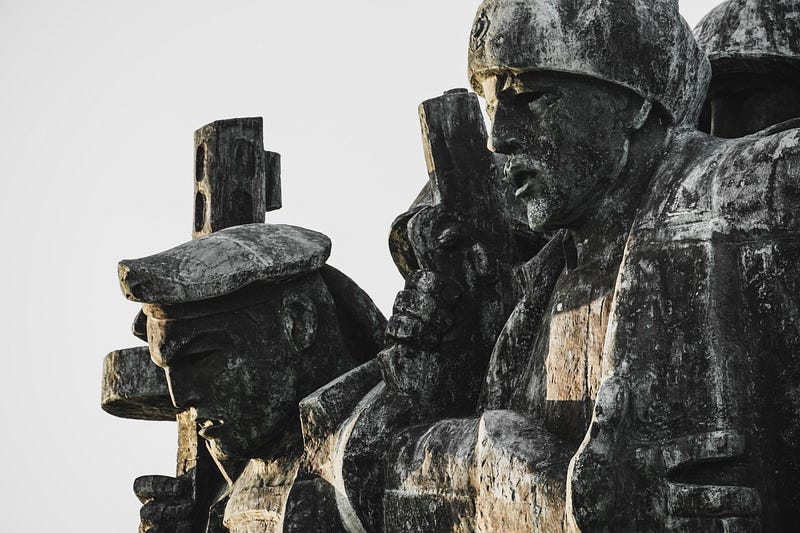
Revolutions have played a crucial role in changing society, governments, and the global order throughout human history. The previous centuries have seen profound transformations that continue to have an impact on contemporary society, from political upheavals to cultural and technological revolutions. In this post, we’ll explore some significant historical revolutions and look at how their effects are still felt now.
United States Revolution

The Declaration of Independence, which was the result of the American Revolution and created the United States as a sovereign nation, was published in 1776. Its influence is evident because it created the foundation for contemporary democracy. The political system in the United States has been impacted by concepts of individual rights, representation, and the rule of law that evolved during this revolution. These concepts have also served as an inspiration for democratic movements around the world.
the French Revolution

The demands for liberty, equality, and fraternity are closely associated with the French Revolution of 1789. While political unrest and violent bloodshed characterized the revolution itself, its principles sparked a wave of social and political change. The ideas of the French Revolution were fundamental to the creation of contemporary democratic values and human rights.
Industrial Revolution

The Industrial Revolution, which began in the late 18th and early 19th centuries, changed economies, civilizations, and daily life. Urbanization, technological advancements, and the modern workforce were all brought about by the transformation of rural cultures into industrial ones. The global economy, industrial production, and the nature of employment are still being shaped by the effects of the Industrial Revolution.
The Revolution in Russia

The Soviet Union was founded, and communism spread as a result of the Russian Revolution of 1917. The positive and negative effects of it are still being felt now. The aftermath of the Russian Revolution led to the Cold War, the split of Germany, and the spread of Marxist doctrine in several nations.
The Modern Era of Information

The Information Revolution has changed the way we live, work, and connect in recent decades. A world with unprecedented access to knowledge has been established thanks to the development of the internet and other digital technologies. It has radically altered how we communicate, conduct business, and view and navigate the world. Social networking, e-commerce, and the sharing economy have all grown as a result of the information revolution, fundamentally changing how modern society functions today.
Conclusion
Historical revolutions have been pivotal moments in the development of humanity, bringing about profound adjustments in the fields of politics, economics, society, and culture. The long-lasting effects of these revolutions are evidence of their enormous influence on contemporary societies. These pivotal periods gave rise to the values of democracy, human rights, and technical advancement that still influence our society today. We are better able to navigate the opportunities and difficulties of the present and the future by comprehending the historical lessons and the effects of these revolutions.


