avatarThe Daily Updater

Free AI web copilot to create summaries, insights and extended knowledge, download it at here

2059

Abstract

rral">Unsplash</a></figcaption></figure><p id="ba83">The human body is not designed to withstand such extreme pressure. If a person were to descend to the Titanic depths without a protective suit, they would die almost instantly. The pressure would cause their lungs to collapse, their blood to boil, and their internal organs to rupture.</p><h1 id="6352">Challenges Faced By A Human Body At This Level</h1><p id="b7e7">Even if a person can survive the initial pressure shock, they face several other challenges. The water temperature at the Titanic’s depths is about -2°C (28°F). The pressure would cause hypothermia, leading to unconsciousness and death within minutes.</p><figure id="81d0"><img src="https://cdn-images-1.readmedium.com/v2/resize:fit:800/0*br5LsUz3lciIMRVo"><figcaption>Photo by <a href="https://unsplash.com/@jcambass?utm_source=medium&amp;utm_medium=referral">Joel Ambass</a> on <a href="https://unsplash.com?utm_source=medium&amp;utm_medium=referral">Unsplash</a></figcaption></figure><p id="d76d">In addition, the lack of oxygen at the Titanic’s depths would make breathing difficult. The pressure would also compress the air in the lungs, making it even harder to get enough oxygen.</p><h1 id="ba3c">Decomposition Under Extreme Conditions</h1><p id="8aa8">As a result of these extreme conditions, it is implausible that any human remains would be recognizable at the Titanic’s depths. The bodies would have been subjected to intense pressure, cold temperatures, and no oxygen. The pressure would have caused them to decompose very quickly, leaving little more than bones and fragments of clothing.</p><figure id="d1d4"><img src="https://cdn-images-1.readmedium.com/v2/resize:fit:800/1*KRedufh61XtAMHvxOGjJ9w.jpeg"><figcaption>Image Created By <b>Bing Image AI Creator</b></figcaption></figure><p id="438c">There may be no human remains at the Titanic wreck site at all. The bodies of the Titanic victims were likely scattered by the currents and scavengers in the days and weeks following the sinking. It is also possible that the bodi

Options

es were entirely consumed by marine life.</p><h1 id="0913">Conclusion:</h1><p id="8590">The sinking of the Titanic was a tragedy that claimed the lives of more than 1,500 people. The bodies of those who perished in the sinking were subjected to horrific conditions at the bottom of the ocean. The pressure, temperature, and lack of oxygen would have caused them to die slowly and agonizing.</p><figure id="a068"><img src="https://cdn-images-1.readmedium.com/v2/resize:fit:800/1*Y1qfhzqsNkPwAoGav0x3Eg.jpeg"><figcaption>Image Created By <b>Bing Image AI Creator</b></figcaption></figure><p id="a885">While it is impossible to know what happened to the human remains of the Titanic victims, it is clear that the extreme conditions at the wreck site would have made it very difficult for any remains to survive.</p><p id="cfcb">Hope you’ll like my story. Don’t forget to follow and subscribe to the cover letter. Read more interesting and curated stories <a href="https://medium.com/@aslamwaheed"><b><i>here</i></b></a>.</p><p id="1a22"><b><i>You may also like:</i></b></p><div id="7950" class="link-block"> <a href="https://readmedium.com/economy-history-politics-power-japan-force-85077c301fbf"> <div> <div> <h2>Unveiling the Unmatched Power of Japan: A Force to be Reckoned With</h2> <div><h3>From its resilient people to its cutting-edge innovations, Japan has emerged as a powerhouse on the global stage.</h3></div> <div><p>medium.com</p></div> </div> <div> <div style="background-image: url(https://miro.readmedium.com/v2/resize:fit:320/0*w6z8D2-GWkRStgPN)"></div> </div> </div> </a> </div><p id="8484" type="7">“Meet M Aslam Waheed, a Bachelor’s student, freelancer writer, and poet who crafts enchanting stories with unwavering dedication. His adorable commitment and hard work shine through every word, creating a delightful reading experience. Open for gigs.”</p></article></body>

The Horrific Truth About What Happens to a Human Body at Titanic Depths

Unveiling the horrifying fate that awaits human bodies at the depths of the Titanic.

Photo by Руслан Гамзалиев on Unsplash

It was the night of April 15, 1912, when the Titanic collided with an iceberg and lost its lights. Over 1,500 people died in the disaster, including many trapped below decks.

But what happened to the bodies of those who died in the sinking?

Did they sink to the bottom of the ocean and disappear? Or did something more horrific happen to them? Today In this story, I will try to explore the science of what happens to the human body at Titanic depths.
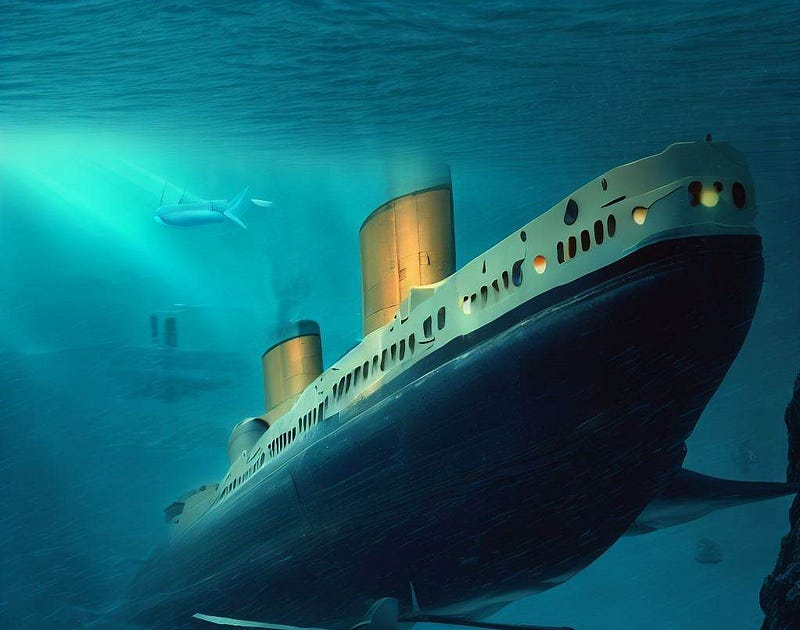
Image Created By Bing Image AI Creator

We will discuss the effects of pressure, temperature, and lack of oxygen on the body, and we will see how these factors would have led to a truly horrific death for those who perished in the sinking.

Titanic’s Depth & Extreme Condition

The Titanic lies at a depth of 3,800 meters (12,500 feet). The pressure at that depth is an astonishing 380 atmospheres or about 5,600 psi. That’s equivalent to having a giant elephant standing on every inch of your body.
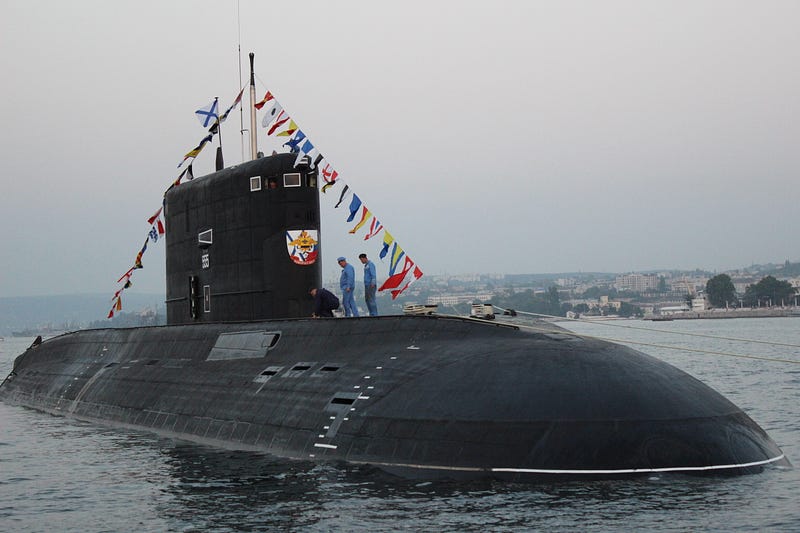
Photo by Ан Нет on Unsplash

The human body is not designed to withstand such extreme pressure. If a person were to descend to the Titanic depths without a protective suit, they would die almost instantly. The pressure would cause their lungs to collapse, their blood to boil, and their internal organs to rupture.

Challenges Faced By A Human Body At This Level

Even if a person can survive the initial pressure shock, they face several other challenges. The water temperature at the Titanic’s depths is about -2°C (28°F). The pressure would cause hypothermia, leading to unconsciousness and death within minutes.
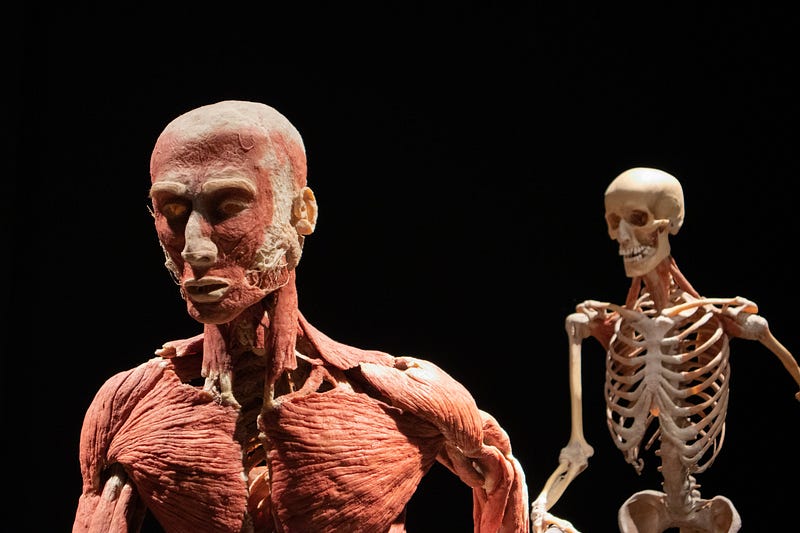
Photo by Joel Ambass on Unsplash

In addition, the lack of oxygen at the Titanic’s depths would make breathing difficult. The pressure would also compress the air in the lungs, making it even harder to get enough oxygen.

Decomposition Under Extreme Conditions

As a result of these extreme conditions, it is implausible that any human remains would be recognizable at the Titanic’s depths. The bodies would have been subjected to intense pressure, cold temperatures, and no oxygen. The pressure would have caused them to decompose very quickly, leaving little more than bones and fragments of clothing.
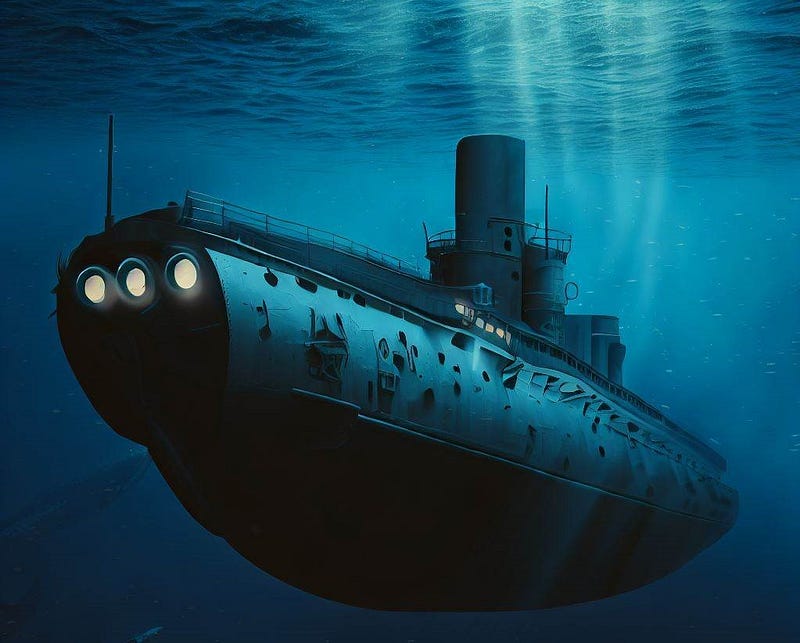
Image Created By Bing Image AI Creator

There may be no human remains at the Titanic wreck site at all. The bodies of the Titanic victims were likely scattered by the currents and scavengers in the days and weeks following the sinking. It is also possible that the bodies were entirely consumed by marine life.

Conclusion:

The sinking of the Titanic was a tragedy that claimed the lives of more than 1,500 people. The bodies of those who perished in the sinking were subjected to horrific conditions at the bottom of the ocean. The pressure, temperature, and lack of oxygen would have caused them to die slowly and agonizing.
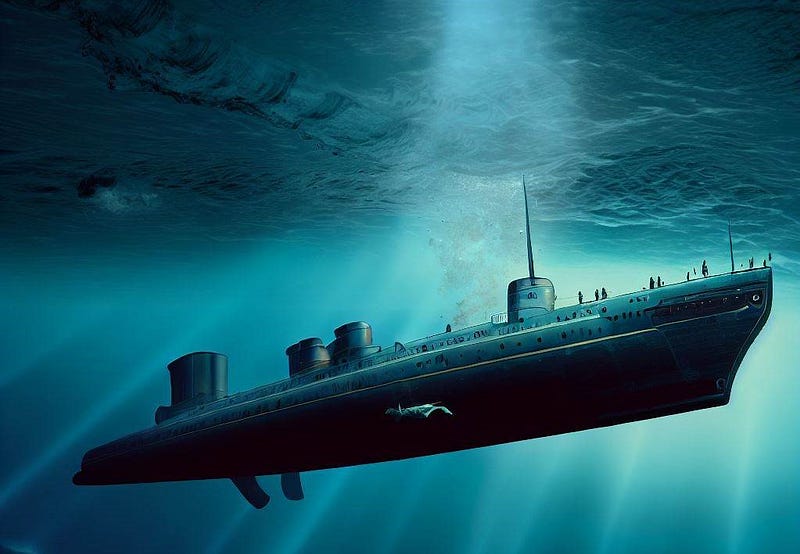
Image Created By Bing Image AI Creator

While it is impossible to know what happened to the human remains of the Titanic victims, it is clear that the extreme conditions at the wreck site would have made it very difficult for any remains to survive.

Hope you’ll like my story. Don’t forget to follow and subscribe to the cover letter. Read more interesting and curated stories here.

You may also like:

“Meet M Aslam Waheed, a Bachelor’s student, freelancer writer, and poet who crafts enchanting stories with unwavering dedication. His adorable commitment and hard work shine through every word, creating a delightful reading experience. Open for gigs.”

Titanic
Titanic Submarine
History
News
Trends
Recommended from ReadMedium