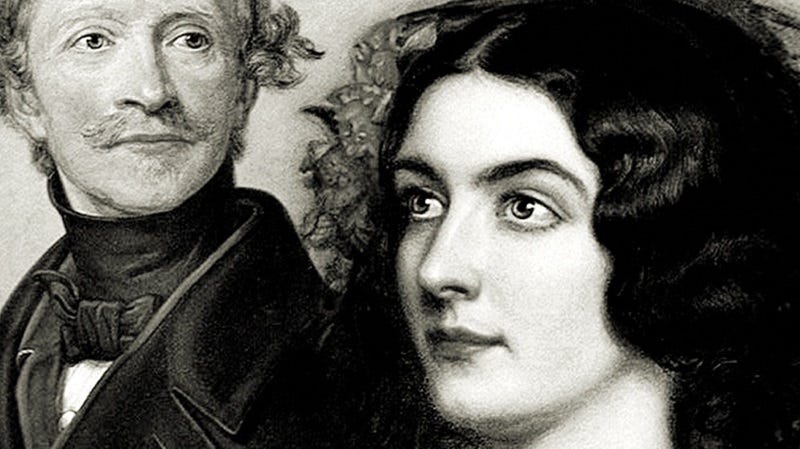
The Meteoric Rise and Fall of 19th-Century Spiderwoman Lola Montez
She danced with spiders, toppled a king, and her lovers were a who’s who of the 19th century’s rich and famous
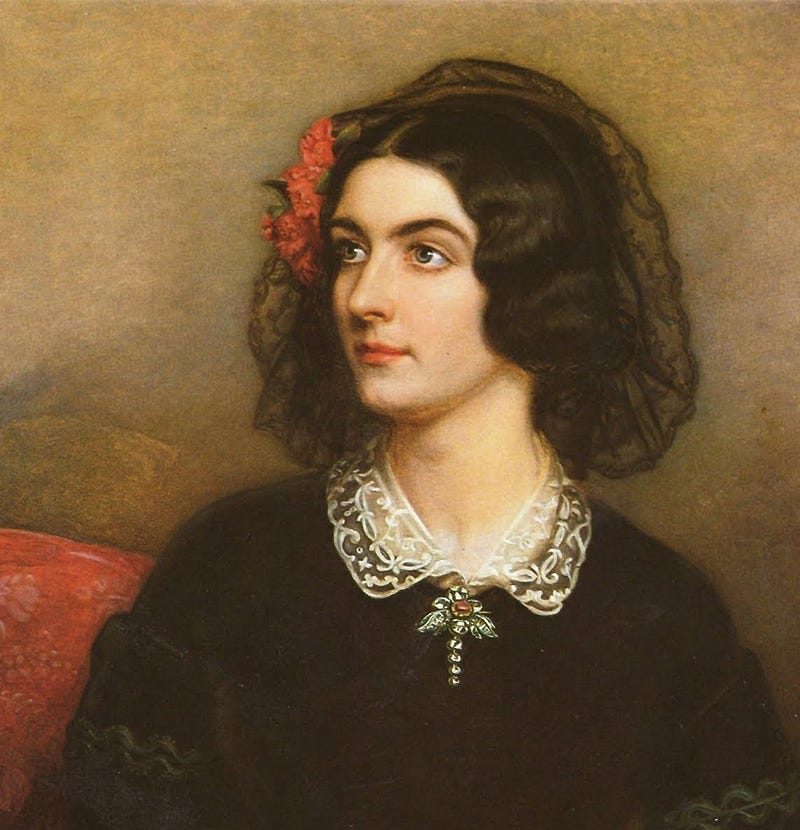
This lady doesn’t look Spanish, does she? She was, in fact, Irish. Throughout her relatively short life (1821–1861), she went by a lot of names, but the one that stuck was Lola Montez. If ever the term “femme fatale” or “maneater” applied to anyone, it did to her. She was stunningly beautiful and left a legion of men in her wake on land and sea, not all of them still breathing.
From wild child to free spirit
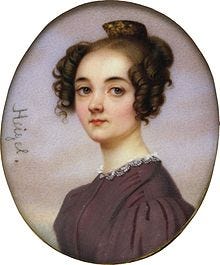
The woman who would become Lola Montez was born Eliza Rosanna Gilbert on February 17, 1821, in the village of Grange, County Sligo, Ireland. Her parents were Edward Gilbert, a junior British Army officer and Eliza Oliver, daughter of Charles Silver Oliver, a member of Parliament.
In March of 1823, the young family moved to India. Shortly after that, Edward Gilbert contracted cholera and died. His wife, who was only 19 at the time, quickly remarried to Lieutenant Patrick Craigie in 1824.
While still only a toddler, little Eliza’s spoiled and reckless behavior was of grave concern to her stepfather. Craigie convinced his wife to send the child back to Britain to his father in Montrose, Scotland.
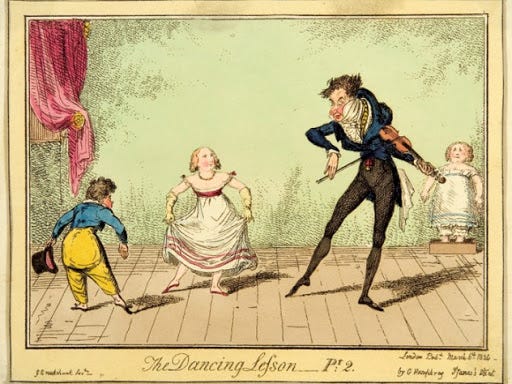
The senior Mr. Craige didn’t have any more control over Eliza than had his son. She established herself as a mischief-maker among the community of Montrose by playing pranks in church and running down the street stark naked.
When she was ten years old, Eliza was sent to Sunderland, England, to attend a boarding school run by her stepfather’s older sister. She lasted there only a year, at which point her guardian sent her to a school in Bath.
The birth of Lola Montez
In 1837, when she was 16 years old, Eliza eloped with Lieutenant Thomas James. After five years of marriage, the restless Mrs. James left her husband in Calcutta, India, and became a professional dancer. But her former life was not so easily discarded.
“Runaway matches, like runaway horses, are almost sure to end in a smash-up.” — Lola Montez on marriage
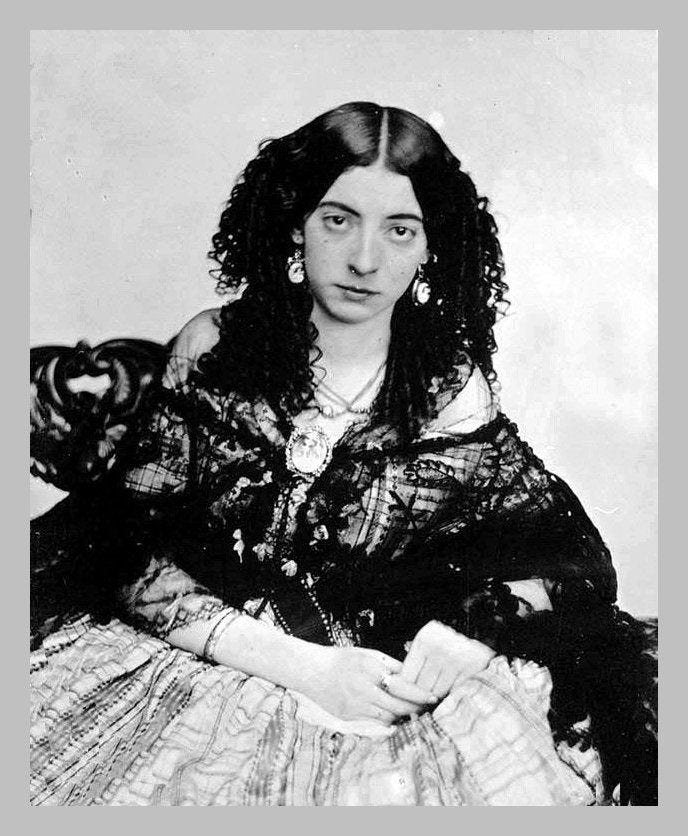
When she debuted in London in June of 1843 as “Lola Montez, the Spanish Dancer,” she was recognized by audience members as the wife of Lieutenant James. The resulting scandal didn’t help her popularity, so she took her act on the road and was much more successful in Paris and Warsaw. At this point, she attracted the attention of wealthy men who were eager to exchange favors with her. Lola was only too happy to oblige.
In 1844, while her reputation as a courtesan was on the upswing, her dancing career hit a snag. Her performance in Paris as a dancer in Fromental Halévy’s opera Le lazzarone was something of a disappointment.
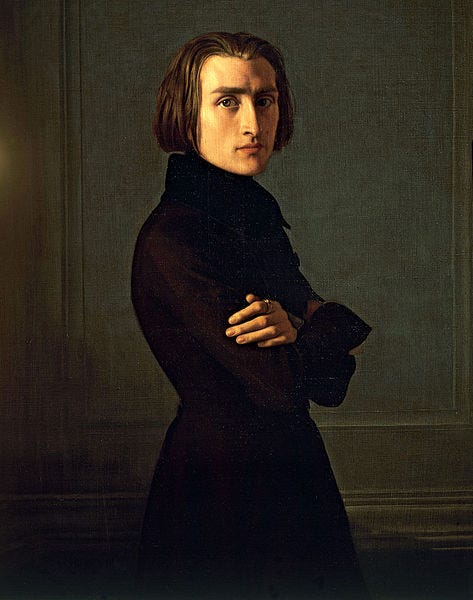
But Montez had a talent for attracting the attention of wealthy and talented people. Her beauty and tempestuous nature were alluring to the Parisian Bohemian arts community.
Her affair with composer Franz Liszt provided her entry to novelist George Sand’s inner circle of friends, including writer Alexandre Dumas with whom she had a brief relationship.
Montez knew an excellent opportunity when she saw one and soon became involved with Alexandre Dujarier, a drama critic and the owner of France’s most popular newspaper. Dujarier helped Montez revitalize her dancing career, but his association with her would prove fatal.
The lovers had a dispute over whether or not Montez should attend a party. Dujarier showed up at the event drunk and belligerent. In the course of the evening, he offended rival journalist Jean-Baptiste Rosemond de Beauvallon, who challenged him to a duel. Dujarier accepted, and on March 11, 1845, de Beauvallon shot him in the face killing him instantly.
Ludwig loves Lola
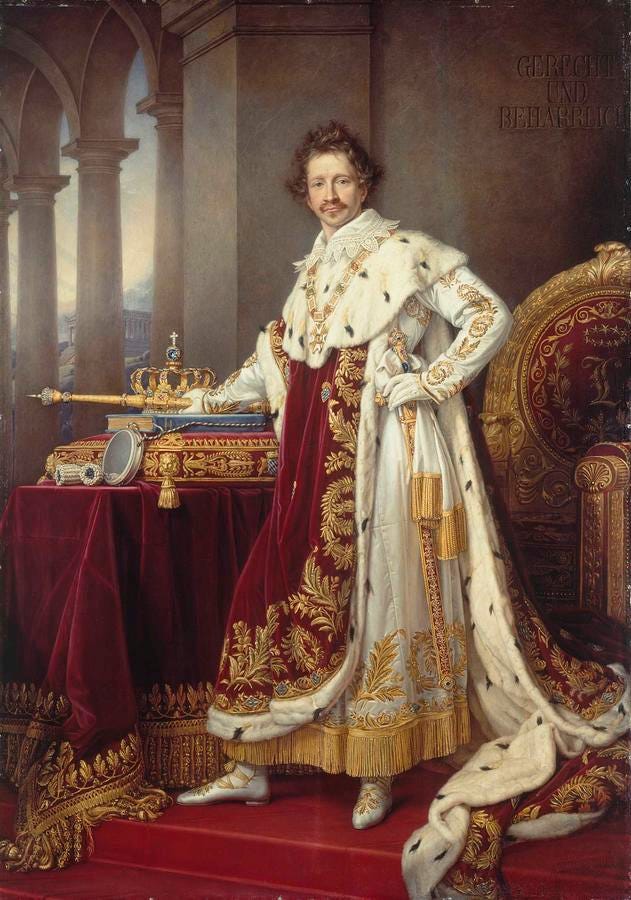
In 1846, Montez decided to try her luck in Munich, and she hit the jackpot. King Ludwig I of Bavaria took one look at her and was utterly captivated.
Rumor has it that when the king met Lola, he asked her (in front of others) if her bosom was “Nature or art?” She allegedly then ripped open her bodice to prove its authenticity. That would get anyone’s attention, and it certainly did Ludwig’s.
When she first arrived in Munich, Montez had applied for a job at the Court Theater. They refused to hire her, citing her lack of talent and shady reputation. Ludwig ordered them to reverse the decision, and Lola was back in the limelight.
Ludwig had commissioned portraits of the most beautiful women in Bavaria and hung them in his Schönheitengalerie (Gallery of Beauty) in Nymphenburg Palace. He’d already caused a stir by including a portrait of Helene Kreszenz Sedlmayr, a shoemaker’s daughter, amid the paintings of noblewomen. The besotted king added Lola’s likeness to his gallery, much to the dismay of the members of his court. Her haughty rudeness, bad temper, and salty language did not make her popular with the people of Bavaria.
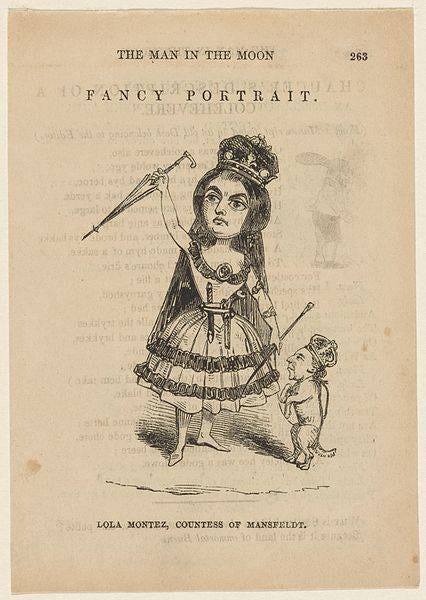
Since the king was married to Queen Therese of Saxe-Hildburghausen and the father of nine children, neither he nor Lola publically admitted to their affair. He told people they were just good friends. The official story was that she was tutoring him in Spanish, although it’s unlikely she could speak it herself.
Queen Therese was very popular with the people of Bavaria, who became more and more hostile toward Montez as she got closer to the king. Despite the general disapproval of his subjects, Ludwig granted Lola Bavarian citizenship, made her Countess of Landsfeld, and granted her a hefty annuity. For more than a year, she wielded significant influence and political power. Montez favored liberalism and Protestantism making her a thorn in the side of Bavaria’s Catholic conservatives and Jesuit priests.
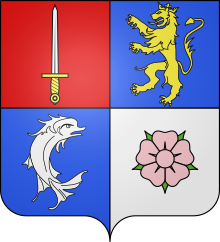
Privy Councillor Karl von Abel and other members of his administration opposed Lola’s new status, so she convinced Ludwig to fire them. When students from the University of Munich protested outside Lola’s residence, she taunted them by drinking champagne and gobbling chocolates on the balcony. At her urging, Ludwig shut down the university.
At this point, the people revolted, reopened the university, and forced King Ludwig to abdicate in favor of his son Maximillian. Lola was escorted out of town twice. After first leaving on a train, she snuck back into the country, but Ludwig refused to have anything more to do with her. He had her deported again, this time at gunpoint.
Any port in a storm
By late 1848, Lola was in London, where she met George Trafford Heald, a young British cavalry officer who had recently come into an inheritance. She wasted no time in marrying him, but there was a problem. The terms of Lola’s divorce from her first husband forbid either or them to remarry while the other was still alive. Heald’s maiden aunt was scandalized and threatened the couple with a bigamy charge. They fled to France then Spain, but in two years, their rocky relationship ended for good when Heald conveniently drowned.
Lola conquers America
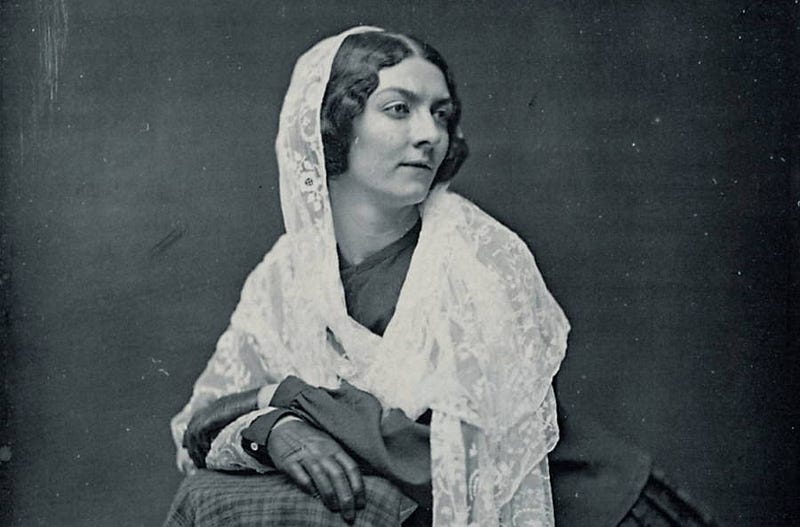
In 1851, Montez made her way to the Eastern United States, where she became a tabloid sensation. She debuted her notorious Spider Dance. The premise involved fake spiders sewn among her skirts. During the dance, she whipped up her petticoats in the feined effort to brush the insects away. She also performed in a play called “Lola Montez in Bavaria.”
After wowing them on the East Coast, Montez arrived in San Francisco in May of 1853. Again people flocked to see her perform, but after her antics inspired a hit satirical play called “Whose Got the Countess?” she retreated to Grass Valley among the foothills and mining camps of the Sierra Nevada mountains.
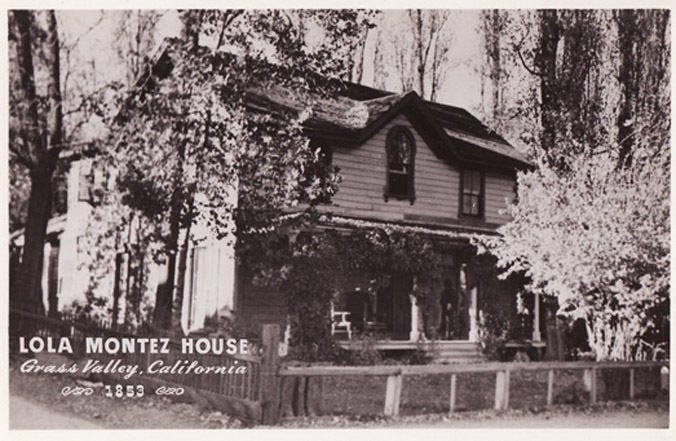
In Grass Valley, Montez married Patrick Hull, a local newspaperman and they moved into the only house she ever owned. She continued to perform in the mining camps to appreciative audiences.
She also was successful in boosting the local economy by attracting investors to the struggling Empire Mine.
Another of Lola’s Grass Valley accomplishments was teaching dance to a little girl named Charlotte Mignon Crabtree. Under the name Lotta Crabtree, “The Nation’s Darling,” she would go on to an even more successful career in entertainment than her mentor had. Unlike Lola, she became one of the wealthiest and most beloved entertainers of the era.
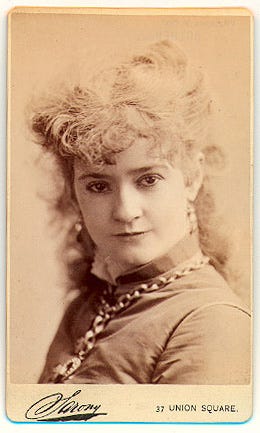
Within two years after arriving in Grass Valley, Montez’s marriage to Patrick Hull was over. He divorced her over an affair with a local doctor. The doctor was murdered shortly after that. In a repeat of a now-familiar pattern, Lola took off again, this time to Australia.
Lola was eager to bring her sensational Spider Dance to a new and, hopefully, adoring public Down Under. Things did not work out so well. In September of 1855, when she performed her erotic routine at the Theatre Royal in Melbourne, her enthusiastic performance created a scandal.
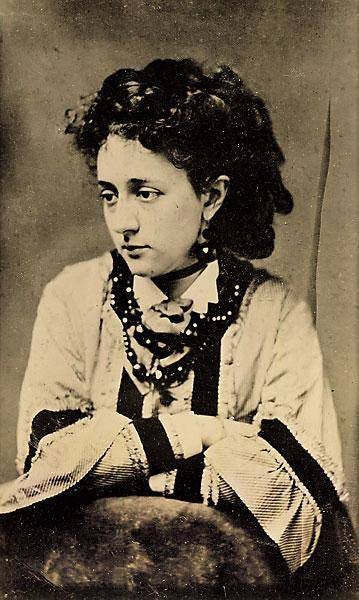
Montez reportedly lifted her skirts high enough for the audience to see she wasn’t wearing anything under them. The review in the Argus was scathing, calling her performance “utterly subversive to all ideas of public morality.”
Things went from bad to worse in Ballarat. When Henry Seekamp, the editor of The Ballarat Times, panned her Spider Dance, she attacked him with a whip.
Her reception in Australia improved somewhat in April of 1856 when she was “rapturously encored” in Castlemaine after performing the Spider Dance in front of 400 diggers. Unfortunately, the evening ended when Lola unleashed her temper in a string of profanity and insults in response to some mild heckling. The audience turned on her, and her Australian tour was over.
Montez sailed for San Francisco with her manager on May 22, 1856. Once again, a man of her acquaintance met an untimely end. On the return voyage, her manager fell overboard and drowned.
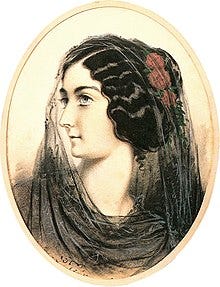
Back in America, the 35-year-old Montez was already suffering from the effects of late-stage syphilis. She turned to religion, delivering a series of moral lectures in Britain and America written by Rev. Charles Chauncey Burr. Montez spent her last days doing charity work.
Lola Montez died on January 17, 1861, at the age of 39. Her headstone at Green-Wood Cemetery in Brooklyn, New York, is engraved with her birth name, Eliza Gilbert. The masquerade was over.