
Trolls Don’t Live Under a Bridge Anymore
and they don’t want to eat you up, just chew you and spit you out
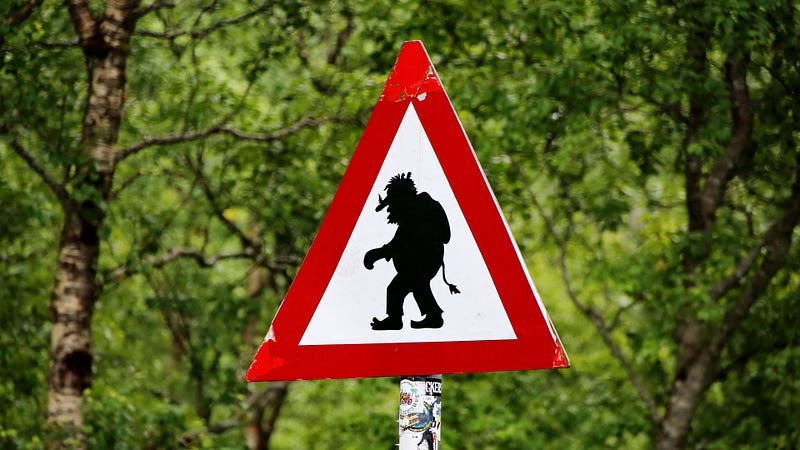
Do you know the story of the Three Billy Goats Gruff and the Troll who lived under the bridge? This is an old Scandinavian story whose purpose I can’t imagine apart from terrifying children away from bridges. Trolls feature in many stories and films including The Lord of The Rings and are always either monstrously large, or very small, but always dangerous, extremely strong, and slow-witted.
But nowadays, we have a modern-day version of the fairytale monster in the form of anonymous people who post vile, sick, abusive, and threatening messages. We now have internet trolls.
Do you remember what it was like at school if you thought people were talking about you? Well, imagine that a thousandfold? What it must be like to have people saying hideous and mostly untrue things about you online. Lies that spread faster than a forest fire in the height of summer. A fire that you can’t control or put out.
And you might not have any idea who these trolls are? They often use fake identities or multiple accounts to hide their true identity and to make it harder for others to track them down and report them. They may not even know you personally but might have jumped on someone’s feed or they may have read or heard something about you that they’ve taken against. And, because they post anonymously, it can be very hard to take any action against them.
New legislation is in the pipeline to ensure that trolls face two years in prison for sending messages or posting content that causes psychological harm but, sadly, currently, only one in 500 end up in jail after being reported.
Why do people troll others on social media?
It seems that the most common reasons include getting a reaction. Trolls love a reaction, not only from their victim but from other people who comment on their comment and jump on the malicious bandwagon.
In January 2014, Isabella Sorley was sentenced to 12 weeks in prison and a £400 fine for sending threatening and abusive tweets to the feminist writer Caroline Criado-Perez and Labour MP Stella Creasey. Sorley says that she enjoyed the attention and the endorphin generating effects of becoming briefly famous on twitter and was encouraged by the retweets and favourites her posts got.
Some trolls do it for the laughs, some do it to feel powerful and in control and some do it because they are angry or frustrated with the world.
But trolling can have a devastating effect on victims who can suffer from anxiety, depression, social isolation and even self-harm.
TV personality, Caroline Flack, was said to have been hounded by trolls before she took her own life in 2020 and every day there are reports of teenagers committing suicide after cyber bullying. Everyone lives their lives on social media now. People post about their dog and their dinner but there can be a level of fear associated with your online accounts.
It’s not just celebrities or high-profile people who are at risk of being trolled. Anyone can be a target and, once you’re labelled as a ‘troll target’, the abuse can continue for years.
There is a fear that if you speak out against trolls, they will only become more aggressive and determined to destroy you.
Trolls have multiple platforms to write on
There have always been poison pen letters but these took time to write and the expense of posting whereas, now, all it takes is a few clicks on a keyboard. There are so many different places that trolls can pop up. We all know that the comments section of an article in certain newspapers attracts those who want to say something mean and nasty but every area of the internet is a potential platform.
Anyone that posts videos on youtube are open to trolling. I had a shock when, over a decade ago, I made a video about hypnotherapy. i was working as a hypnotherapist and coach at the time (I only coach now) and needed a video to put on to my website and so uploaded a video to you tube in order to get a link for my site.
I was amazed when I had someone posted a comment and even more amazed when I read the comment as it was from someone in the States who posted that they were putting me on an ugly hypnotists list.
Once I’d got over the shock, I celebrated getting on to a list and cracking the states. But the comment shook me for a moment, not about being considered ugly, it was the intent behind the comment that rattled me and, if I didn’t know how not to take things personally and how not to dwell on thoughts about the comment, I might have felt distressed.
And that was just a fairly innocuous comment. The comment didn’t tell me that I’d be raped or killed in my bed or that my family would be taken out.
Twitter is another forum that trolls love. They can, like Isabella Sorley, post comments about someone they have very little knowledge of and then can get off on the likes, retweets and applause.
It would be interesting to see how many strong, confident, balanced and, well, just happy people feel the need to cyber bully. I’m not talking about those who feel strongly about racism or abuse but those who just want to take someone down. Which is a good reason to think twice about the negative comment that might pop up in your head before you commit it to words. Cyber bullying is just bullying.
And bullying is, after all, a form of insecurity.
What to do if you’re trolled?
The best advice would be not to read anything that strangers say about you. Don’t get tempted, ‘just to see’ and, if you do look, don’t respond.
If possible, block the trolls. They will never be your people.
Don’t post that you’re being trolled. This is like feeding chips to seagulls.
If you feel physically threatened, do report the trolls to the police.
Trolls don’t live under a bridge anymore. They live online and in the anonymity of their fake identities where they can post anything they want without fear so don’t feed the monster. Ignore, block, delete and move on to the safety of the other side.


