
4 Saucy Little Tricks Could Instantly Make You A Better Photographer
For photography involving other humans! It may freak the hell out your cat and dog friends though…
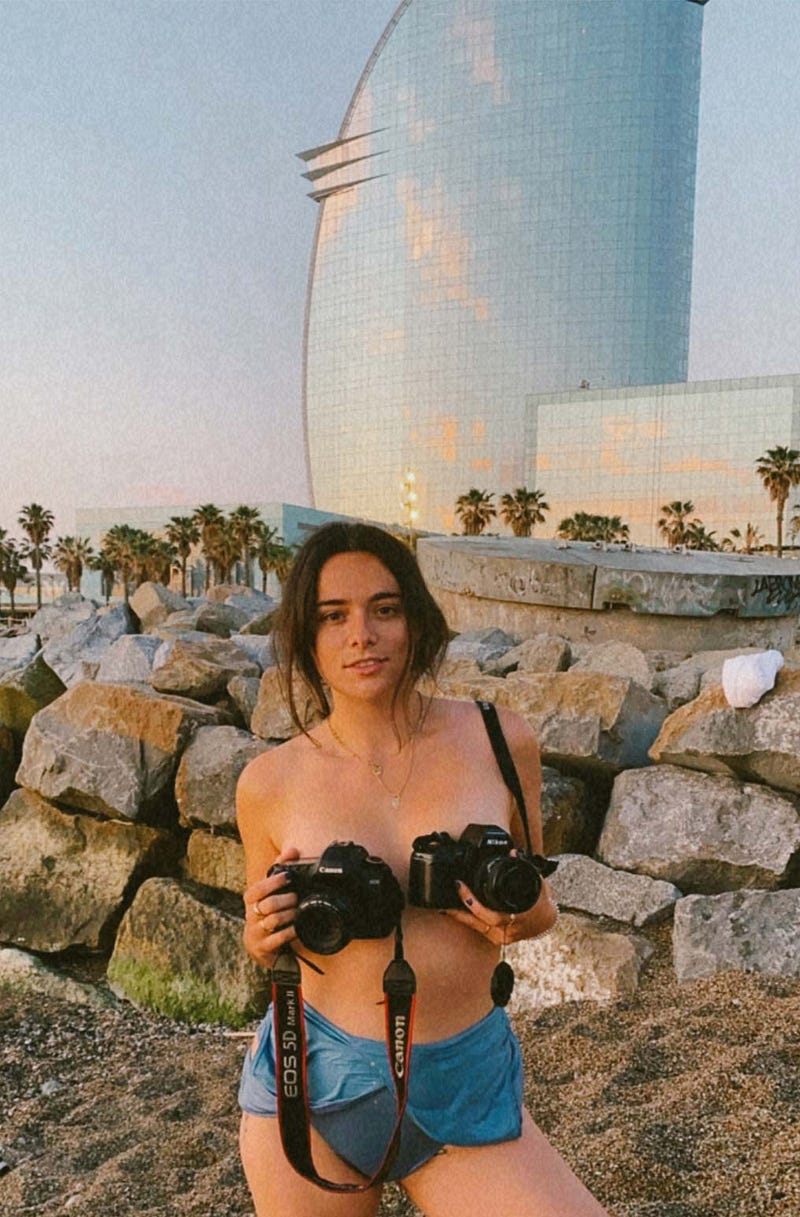
Life has these funny twists sometimes.
I got into photography by chance. More as a need than a desire.
A University professor once took me aside and said something along the lines of :
“You will never work as a photographer, to be frank, I nearly failed you this trimester. Your skill and technique are appalling blah, blah. Your character choice is what saved your grades”
Shit happens. People will throw curveballs like that at you. Some said she had said it so harshly as a motivational thing. It’s true I was more interested in flying around town on my red Piaggio, smoking weed and binge-watching films at the Filmoteque than the Uni curriculum. Still, it hit me.
Went through the whole “I will never take photos again” phase then the “photography sucks anyway” phase and finally, when I was living in Mexico City, trying to figure out what I was gonna do with my life to sidestep a minor coke problem, I became a photography apprentice.
1. Build a daily practice first
So I was working as a trainee at this small production company. They were tough on me and paid me cash under the table (no work visa, oopsey). I wasn’t allowed to touch a camera until I’d paid my dues editing a squillion wedding photos from other photographers. It was boring. I learned a lot.
Photography became my job, not my passion. It earned me money, and allowed me to travel.
As fate would have it, I was even invited to an exhibition with Annie Leibovitz as a guest speaker. I would love to tell you that meeting her, one of my favourite photographers of all time, inspired me to become a better artist. It didn’t.
I was way too self-involved to actually care about making art.
You needn’t take photos obsessively to get good (though it helps). Simply making it into daily practice, just for fun, to get acquainted with your camera and to grow a style, will show incredible results.
That’s why I didn’t become successful at it — I was doing it solely for the money.
Yet one day, at a random friend’s gig, suddenly, almost like a divine insight, I understood it for what seemed like the first time.
I looked at my friend for ages before daring to press the button. I followed her gaze. I waited, excruciatingly patiently, for the perfect moment. It was like losing my virginity all over again: tender yet inexperienced, exhilarating.
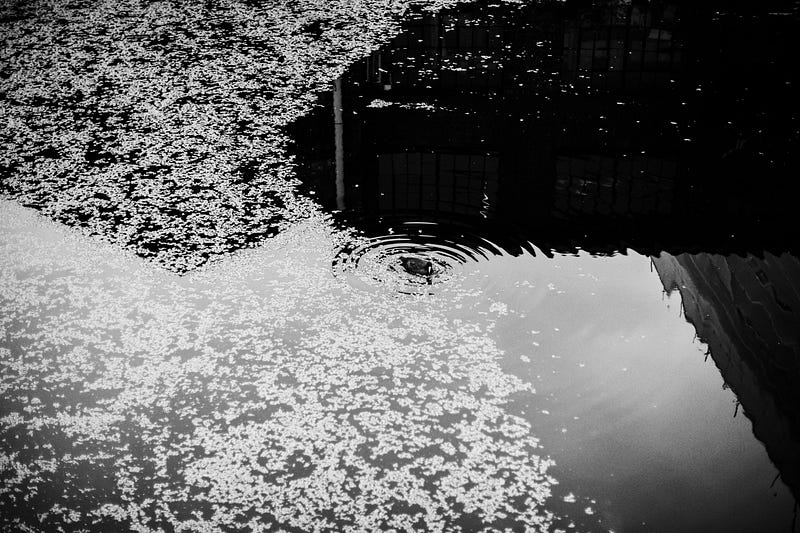
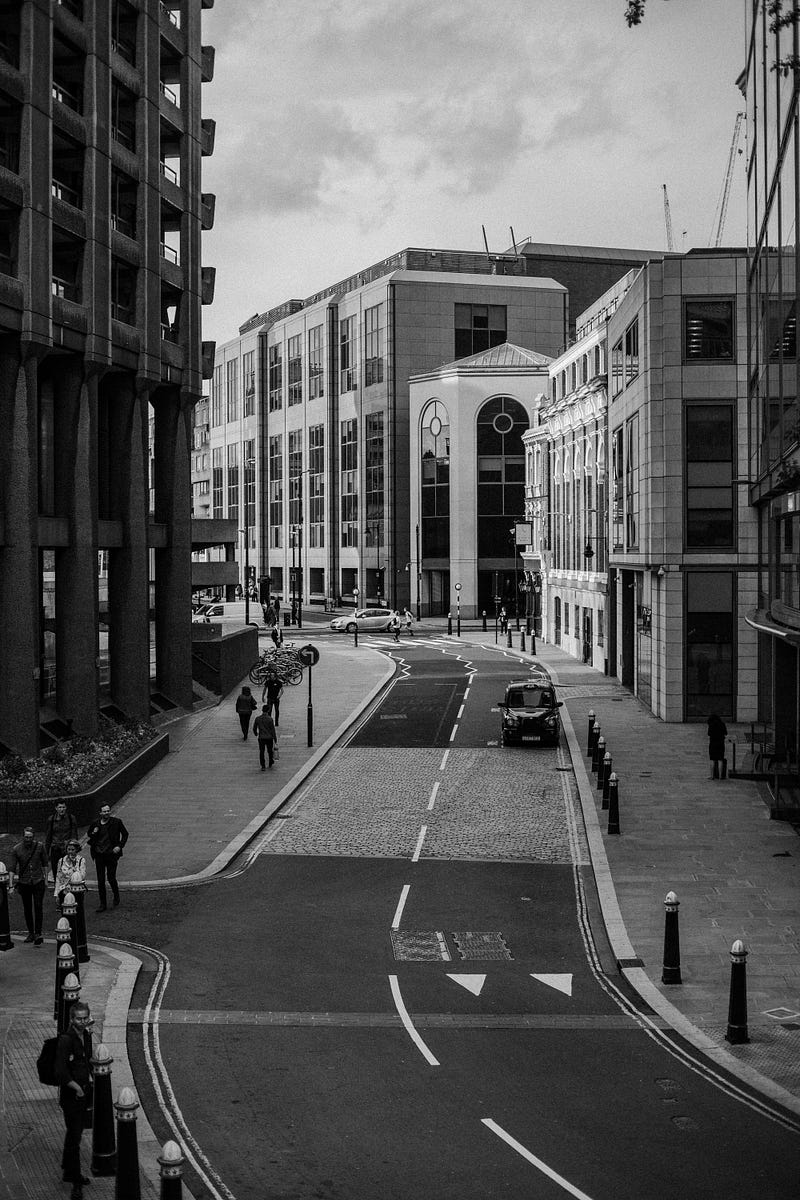
From that day, I slowly rebuilt intimacy with photography in general and my camera in particular when I started taking it to my Artist Dates — I would observe London from every angle, at different times of day, no rules, no clients, no timeline. Just pure unadulterated creative consciousness.
2. Break the ice, build intimacy
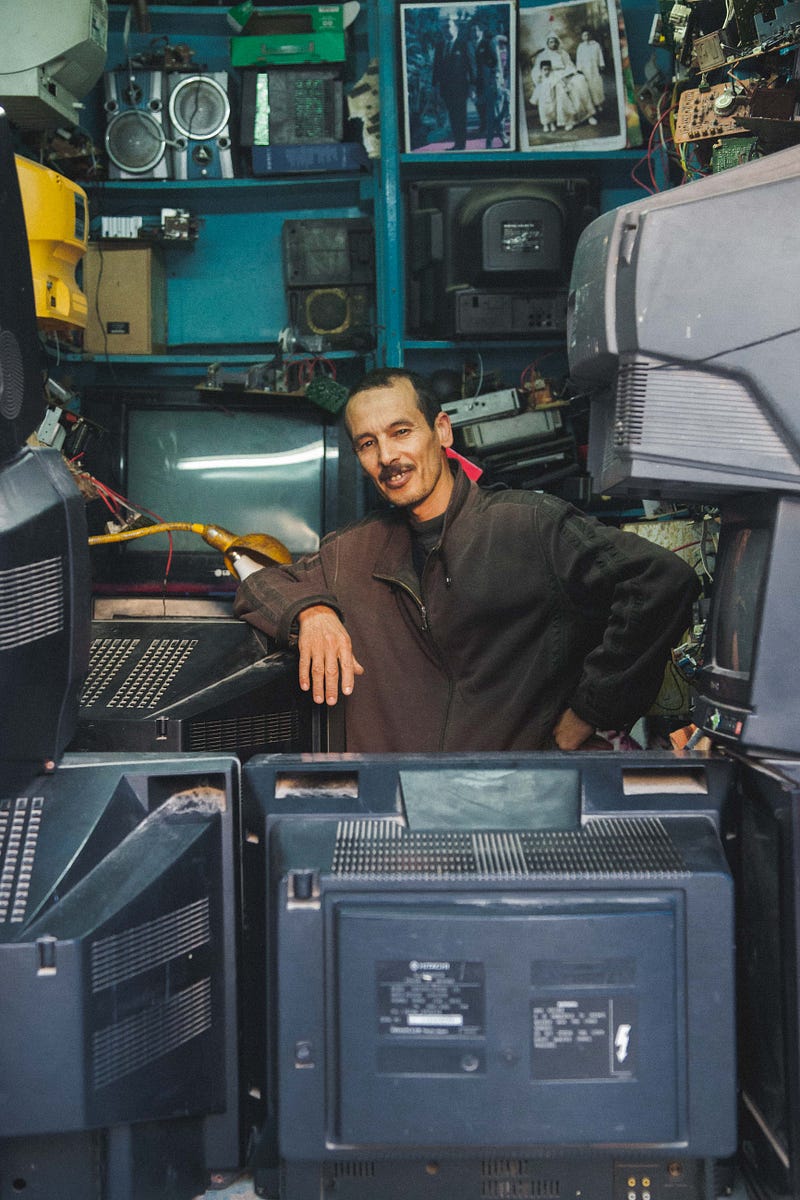
Recently I was road tripping in Morroco and noticed a curious phenomenon.
I had the autofocus on a lot as I was shooting from the moving car. If someone random didn’t want their picture taken, the photo would come out unusable (blurry, the person hidden behind an electricity pole, overexposed etc).
Whereas when I waited for a microsecond to get “permission”, a nod, a gesture of approval or a little smile, it was gold almost every time.
Most people feel uncomfortable in front of the camera (I used to be an extreme case of that). It’s insecurity, sure, and also a lack of practice. You can make yourself more confident in front of the lens by doing it more often.
It’s important to have a little moment with your subject before cracking on to taking pictures of them. One of my tricks is telling people “I’m just setting up the white balance, blah blah, {insert technical words here}, keep talking…” and just waiting for them to relax and go about what they’re saying instead of stiffening up.
The photos may not look great (open mouths, eyes closed etc.) but making them laugh, or sharing something embarrassing about yourself will break the ice.
If you can make yourself vulnerable, they’ll be more likely to do so too.
3. Take your time, make it uncomfortable
This was a biggie for me. I even have a tattoo on the palm of my hand representing the concept of “Festina Lente” aka “make haste slowly”.
I used to rush about life for everything (I still catch myself doing it). Eating, speaking, walking, thinking, making love even. Always with my heart beating full power, adrenaline levels through the roof, hurrying from point A to point B. Rings a bell?
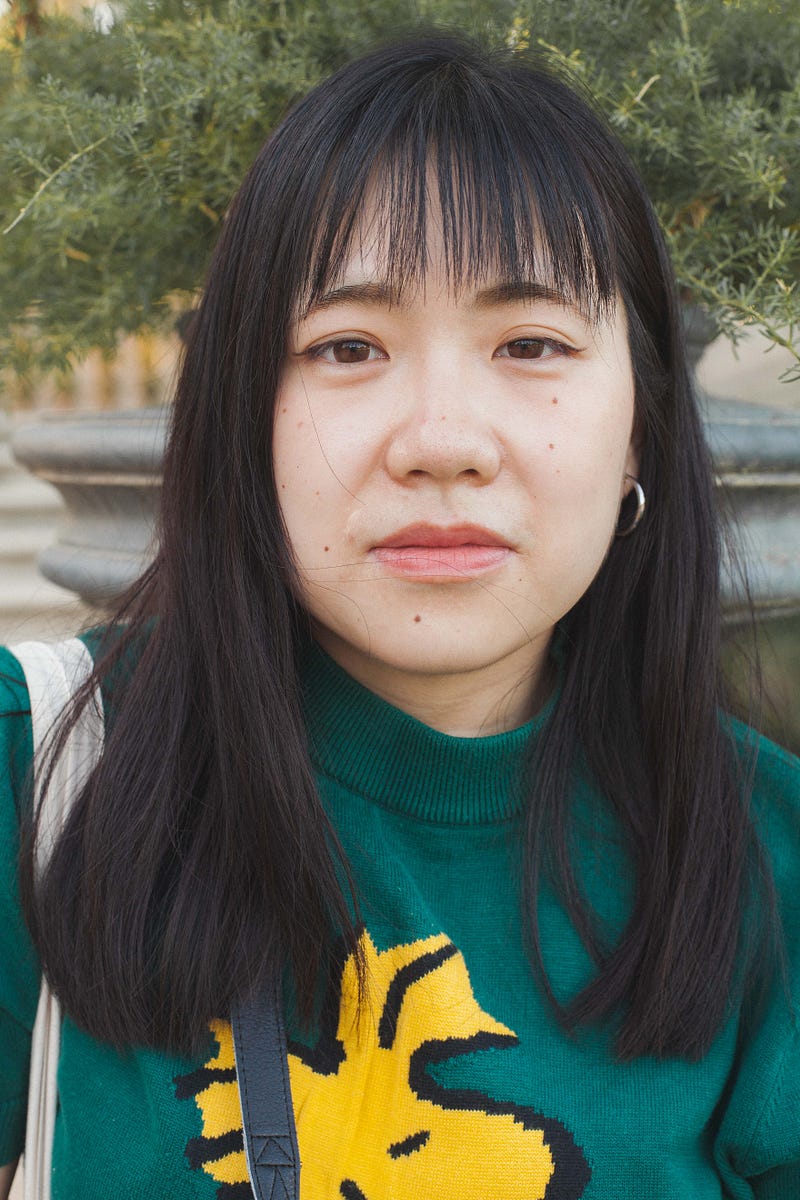
Waiting is one of the kindest things you can do for your subject.
This is what insecurity translates into: clicking the shutter 1000 times/minute and ‘hoping’ for a good picture. And it takes x10 as long to edit.
I remember that damned insightful Uni professor talking about two kinds of photographers:
- the ones that click a million times and maybe get one good photo in a sea of mediocre ones
- the ones that wait.
Wait an uncomfortable amount of time with the camera pointing at someone. They will eventually get bored and then break character, drop the mask, and show you with their microexpressions a spark of something. That’s closer to their real self. That’s a portrait worth taking.
4. Look behind the eyes
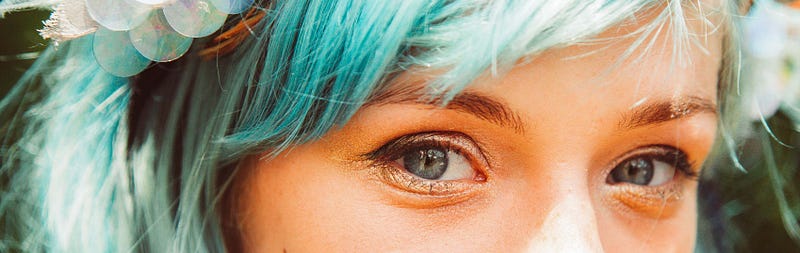
After a sort-of death experience I had not even that long ago (more later), I started really looking into people’s eyes.
Be warned: Looking deeply into someone’s eyes creates intimacy and a sense of connection. It also makes you seem more confident. Doing so will make some people think they’re either in love with you or you’re in love with them. That’s their ego.
That’s why it makes most people feel uncomfortable. In fact, when I started doing that I realised I used to be one of those people that would avoid eye contact at all costs.
The point is, with practice, you maybe be able to see the emotional depth of your subject. If they’re insecure, calm, confident, or agitated… in time, it will translate into emotionally complex photographs that will be intrinsically more interesting even if they’re technically not so elaborate.
You will see the truth behind the vessel.
It’s a wrap!
Remember that to become a skilled photographer the first thing is to build a practice outside of the pressure of making money from it (I know you know I just had to say it again).
And then you can use these cheeky techniques when taking photos of people:
- Break the ice, create intimacy
- Take your sweet time, baby
- Look into people’s eyes
That’s the reason the uni prof didn’t fail me. I chose a subject I was comfortable with, I messed around for ages with the camera (trying to figure out how it worked) and played silly games so he could take his guard down as we looked straight into each other's eyes through the lens. The idea behind it was right.
The technique just needed some good old-fashioned practice.
HOLD TIGHT!* If you enjoyed this piece, subscribe to get any future ones directly to your email — This 5$ membership allows you to read unlimited stories whilst supporting all writers on Medium ( and I get a coffee’s worth every time, yay!). You will find me here. I am learning to tweet here.