ARTICLE
Treating Yourself and The Commodification of Self-Care
Self-care marketing and placing instant-gratification over long-term wellness.
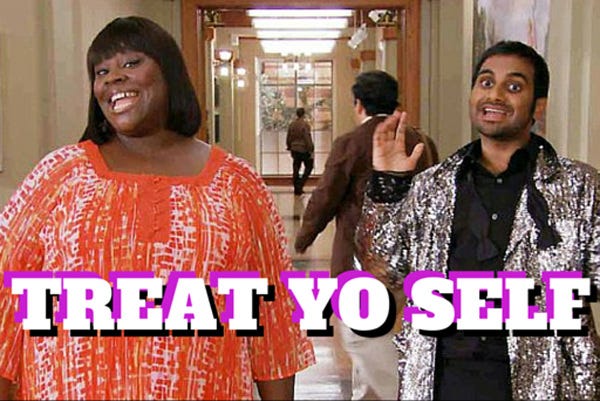
In 2011, NBC’s sitcom Parks and Recreation introduced a special self-care holiday: Treat Yo’ Self Day. Each year, on October 13, Donna and Tom dedicate an entire day to do whatever their hearts desire. From drinking expensive wine, getting manicures, going to spas, you name it. What started as a simple bit to demonstrate the special bond between these two charismatic characters, eventually became an iconic part of the show.
The holiday appeared on multiple seasons, and to this day the actors are forever associated with the popular phrase. Retta (Donna’s actress) says that everything she posts on social media has at least one comment that contains “treat yo’ self” in it. Many fans have even integrated the holiday as an official celebration for themselves and friends.
Needless to say, this fictional day of indulgence left a great impact on those who watched it. Back then, this self-care concept wasn’t as widely spread. For me, it was the first time I heard of such a thing. These characters were absolutely shameless about their need for moments of complete leisure and opulence.
Thus, Parks and Recreation was ahead of the curb: it introduced to many this concept of indulging oneself without unnecessary guilt in a very memorable way.
Self-Care As A Commodity
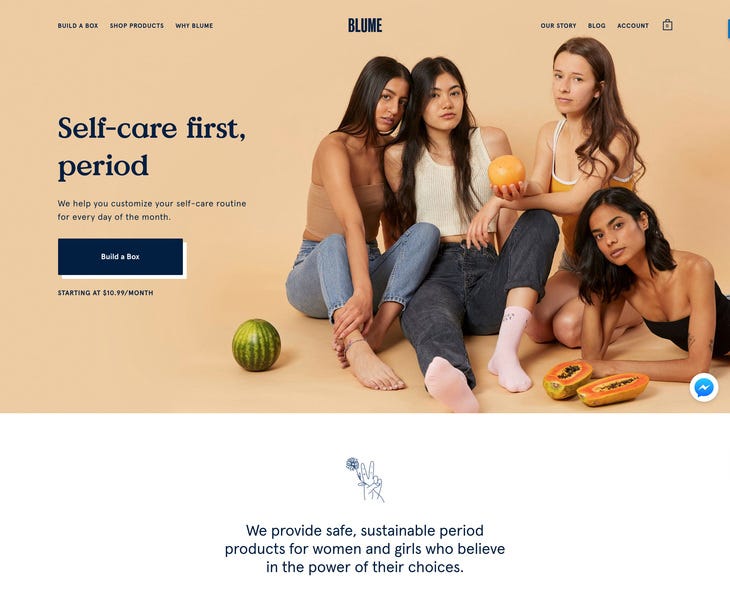
In the present day, it’s not difficult to find these representations of self-care. It has become a booming market. According to ASD Market Week, between the years of 2019 and 2020, Google search trends showed a 250% increase in self-care searches. Additionally, this industry’s value has skyrocketed, from 10 billion in 2014, to a whopping 450 billion in 2020.
As a result, brands have quickly adjusted the narratives they use to sell their products to consumers. For instance, in many beauty ads you are bound to see phrases like “Treat Yourself” and “It’s Time For You.” Just by browsing the first online store that came to mind, I immediately found it.
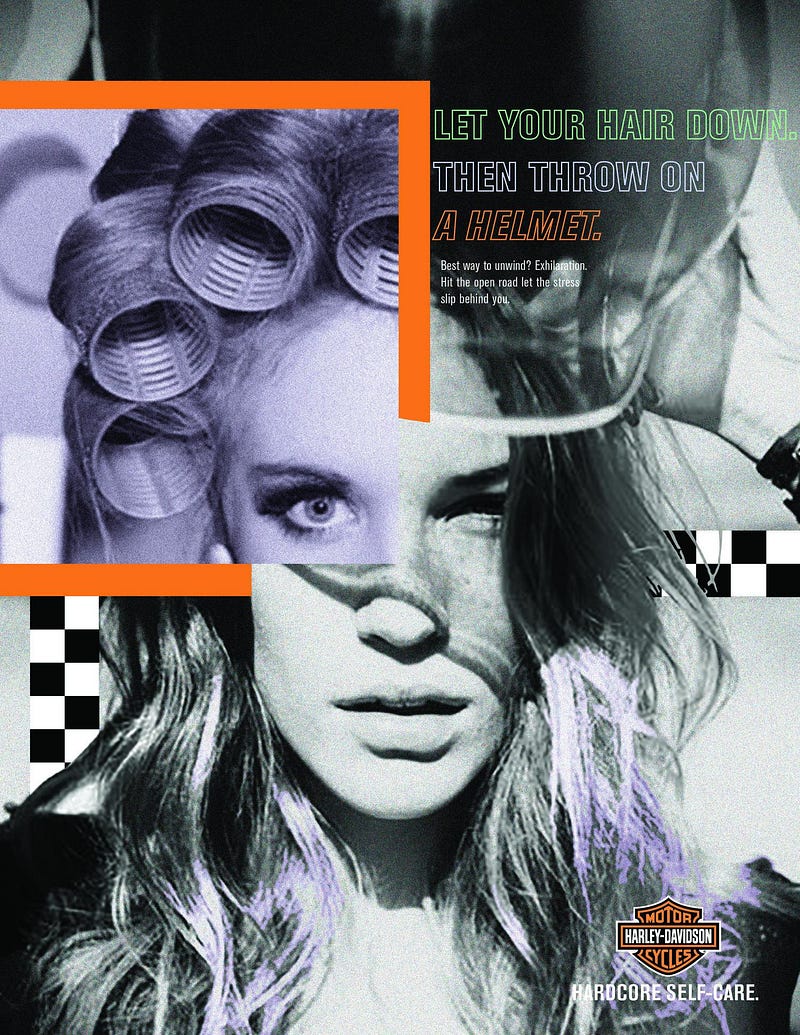
Even Harley-Davidson — a motorcycle company — has dipped their toes in this marketing ploy. In 2019, they released a campaign called “Hardcore Self-Care”, claiming riding a Harley is “the best way to unwind” — something all ads want you to believe.
Self-care has turned into a superficial trend. A vacuous phrase, rather than an essential part of maintaining our mental health afloat.
Superficial Wellness
Many social media influencers partner with brands to get a commission from these ‘cure-all’ products.
When seeing all of these smiling and seemingly flawless influencers promote superficial wellness, it’s easy to get lost in the world of unattainable perfection. Diet products, for instance, have been continually promoted as a means to reach the “ideal you”, which can exacerbate body dysmorphia for many, the opposite of mental wellness.
In these types of campaigns, the focus lies on selling you the product that’ll fix you. Adverts might frame a particular piece of merchandise as the thing that’ll raise your quality of life, but it is not that simple.
One-Size Does Not Fit All
Healing does not look the same for everybody. For example, as part of their self-care ritual, Donna and Tom love going to spas together, while drinking fine wine and ignoring work-related conversations. However, not everybody engages in these types of activities, nor do they have the resources to partake in them.
The best way to develop a long-term, beneficial self-care practice is to disconnect yourself from that one-size-fits-all marketing ploy it has become.
You don’t need to constantly fill your home with products to be happy.
Additionally, acknowledge that this process is not necessarily going to be comfortable all the time, as many media representations make it out to be.
It can get pretty intense, since you are trying to better yourself and your lifestyle. This can mean actively challenging negative thought patterns and addressing traits you don’t like about yourself.
This will look different for each individual. What might be a breakthrough activity for some, might be unfulfilling for others.
Focus on what you want out of it in the long-term, not what others pressure you into.
Thank you for reading! As a side note, I really appreciate the positive response my last article has received. Thank you so much for your kind comments. I’m a bit overwhelmed, as I like to respond thoughtfully to each one. I’ll reply to them soon!
If you enjoyed it, you can tip me through Ko-fi or become a Medium member with my referral link!

Follow Queer Rambles for more articles on pop culture!
More from this author…