avatarN. A. Kazi

Summary

The text reflects on the futility of seeking permanence in the physical world, as symbolized by the ruins of Ozymandias's statue and other such monuments, emphasizing that true connections like love, trust, and society cannot be built through material idols.

Abstract

The author embarks on a journey through ancient and modern worlds, searching for remnants of Ozymandias's legacy, a metaphor for the transient nature of power and human achievements. They encounter grand temples and statues, once erected to immortalize both divine and earthly figures, now lying in ruins, serving as a stark reminder of the impermanence of material glory. These monuments, which once stood as symbols of vanity and eternal ideas, have been repurposed over centuries into instruments of conflict, artistry, and trade. The traveler's observations lead to a profound realization: the spirit's pursuit of tangible representation in dogma and rigidity results in the creation of idols that fail to foster genuine human connections. Despite the construction of numerous idols, the essential fabric of society—love, trust, and societal bonds—remains beyond the reach of mere physicality.

Opinions

  • The author suggests that the physical embodiment of power and ideals, such as grand statues and temples, ultimately succumbs to time and loses its significance.
  • There is a critique of the human tendency to invest in material representations of the sacred and the transcendental, which often leads to the neglect of intangible, yet vital, human values.
  • The text implies that the true essence of the sacred does not reside in dogmatic rigidity but in the intangible bonds that hold society together.
  • The repurposing of monumental ruins into tools of war, craft, and commerce reflects a cyclical pattern of human behavior where even the most revered objects can be reduced to utilitarian purposes.
  • The author emphasizes that the construction of physical idols is a futile endeavor in building the core values of a society, such as love and trust.

Travelling the Worlds of Ozymandias

After P. B. Shelley.
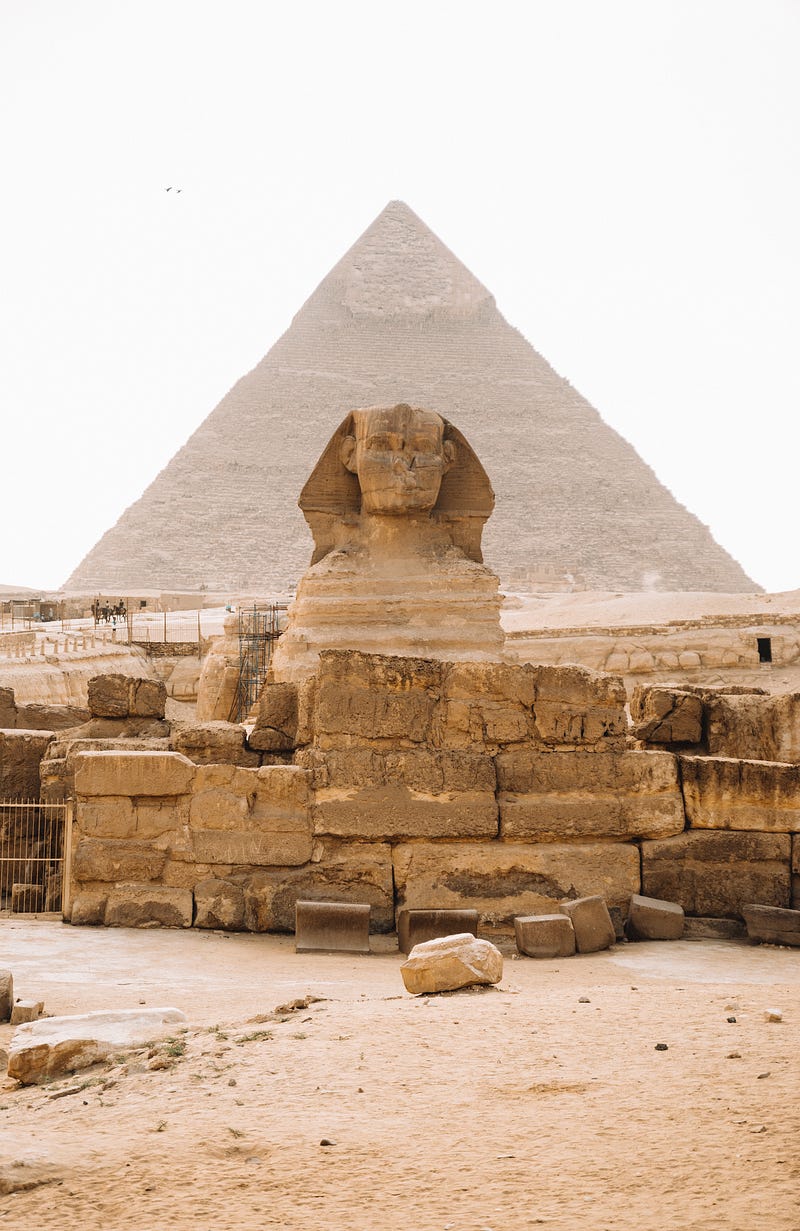
Photo by Alex Azabache on Unsplash

I was travelling worlds new and old,

In search of the shattered stone-visage of Ozymandias

And other such toppled statues.

I went from the East to the West

And examined monuments

To evanescent vanity and eternal ideas —

All mirages of power and peace.

And I found the most titanic temples

Built to sacred souls

By earthly mortals.

Even so, like the archetypical Colossus,

They, too, lie in ruins —

Fractured yet cautionary,

For eight hundred years,

Before being melted

And turned into profane objects

Of war, craft, and commerce.

Observing as such, I recognized:

Where the spirit leaves the body

And seeks abode in solid matters,

Where the transcendental is

Not the mind but occupies dogma,

Where the holly phantom resides not

In the heart but in cruel rigidity,

One may build a thousand idols,

Still not build love, trust, or society.

Halifax, 14.06.21

Poem
Poetry
Shelley
Ancient Civilizations
Philosophy
Recommended from ReadMedium
avatarAlan Schilling
Reborn Again

A Poem

2 min read