
Traveler’s Rule #2: Shoes Are More Important Than Clothes
You can replace the clothes
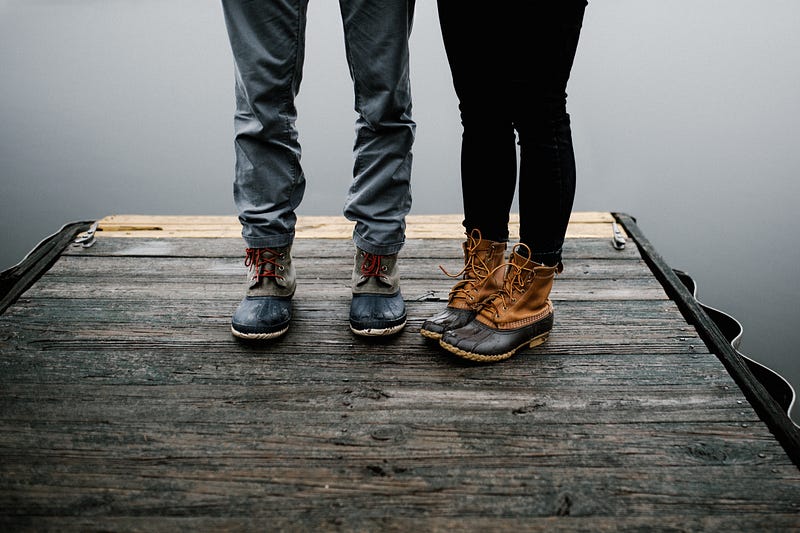
When you think of packing for a trip, most people start with clothes.
Most packing advice also starts with clothes — mix and match, include black and white basics and so on.
So it happens that many travelers only consider the shoes at the last possible moment. They cram an old pair in an overstuffed bag (no room for bulky shoes left) and hope for the best.
Big mistake. Shoes are more important to the traveler’s happiness than clothes — and can make it miserable.
I’ve never heard anyone say “bringing this sweater on my trip was a huge mistake!” Instead, many times it was: “I should never have brought these stupid sandals” and “I wish I had my boots with me.”
If you forgot or lost a clothing item, you can usually buy a replacement at your destination: a scarf, gloves, an extra tee or socks.
Once we arrived in Medellin, Columbia and discovered that we forgot to pack my son’s underwear. While it was a bummer, we purchased two pairs at a local hypermarket the same evening. Yes, the style was quite different, but it could be part of learning another culture, right?
Shoes are another matter. Can’t take the right shoes for granted — especially if you have wide feet, high arches, flat feet, long middle toe, sweaty soles, or any other feet quirks.
Traveling involves walking, hiking, and sometimes climbing rough, uneven stairs in places you have not expected.
You may have to walk on a slippery deck of a pleasure boat or cobblestone streets, sleek from summer rain (also slippery).
The magic castle on the hill that looks so good in photos will only be reachable by a gravel path with lots of tiny pebbles that like to get into open-toed shoes.
The underground passages will be damp with puddles in dark corners, staining your cute white keds brown.
Or you will have to go to dinner right after the walking tour that gets delayed when someone slips on cobblestones. There will be no time to get back to your hotel and change into those fashionable heels that took so much space in your suitcase.
You must take good care of your feet when you travel. You don’t want to trip up or twist an ankle. You don’t want to sit it out in a hotel room with a footstool.
Do proper research once you’ve chosen attractions and activities for your trip and bring the best shoes for the job. Pack the right socks too while you are at it.
For example, cotton socks are no good for winter walking — you will need thermal socks made of wool or a wool blend.
Ankle socks are too short for most ankle boots — you will end up with chaffed skin.
And while this last piece of advice is mostly cosmetic — avoid white socks! They get dirty quickly, don’t wash well on the go and scream “tourist!”
One of my friends devised a travel strategy of bringing their least favorite shoes or those that were ready to fall apart. “If they don’t survive the trip, I will just throw them away without regrets.”
Let me just say that it was not a good strategy — the shoes gave up too early, and a hectic search for a new suitable pair resulted in two days wasted.
A couple of shoe tips to consider:
- Water shoes can save the day on a rocky beach.
- You will be happy to have your waterproof hiking boots if it rains all day (leave the leather loafers behind!)
- You must have a very good reason to bring high heels (yes, you can wear flats to an opera.)
- You need slippers when renting cottages in winter — expect cold floors in kitchens and bathrooms.
- Beach shoes can double up as home slippers.
- Shoes must be in good shape but avoid new ones (you must be confident in the fit and comfort).
- Soft soles have very limited utility on a trip.
- If you wear orthotics, do not leave them behind — you will need them more than ever.
- Most trips should only require two or three pairs. If you are bringing more, is it for vanity reasons?
- Wear your bulkiest shoes on a plain or train — pack the rest.
Happy exploring!


