
FLINT & STEEL WRITING CHALLENGE: AUTUMN 2022
Transition Is a B*tch and the One Thing That Will Grow You Most
Change is kicking my ass and I love it!
Another word for LIFE is CHANGE. Two words for SUFFERING are RESISTING CHANGE… — Michael Jeffries
The last three weeks have been a wild and crazy ride. It’s felt like 21-day long turbulence. The seatbelt sign has been on, the captain has not given any updates and the inflight service has been cut off. I’m in my seat, deep breathing, eyes wide shut, waiting for life to resume its natural rhythm.
I’ve lived through enough transitions to know that the skin-crawling, wanna-run-away-to-Mexico, don’t-know-what-the-hell-I’m-doing sort of discomfort is a perfectly normal symptom of change. And just because I’m aware of this tidbit of wisdom, doesn’t mean I like it. (We don’t always like what’s good for us. Am I right?)
So here goes.
It’s been rough. White-water-rapid sort of rough. My son and I moved in with my partner, Keath. I’ve downsized. A lot. I did this willingly. Happily. I love this man with my entire being and I absolutely want this relationship to work.
That said, it’s been a challenging adjustment. I had lived on my own for five years. I’d developed certain routines, habits, and ways of dealing with my particular brand of melancholy.
I’d draw the blinds, turn on Netflix and disconnect from the world for a day. For whatever reason, this worked for me. The following morning, I’d wake up feeling lighter, chipper, open, and ready for life to resume.
Since moving in with Keath, it hasn’t been as easy to press pause on life when melancholia comes to visit. It doesn’t feel loving to ignore his presence while I disconnect and recharge. I suppose this too is in the throws of transition and I’ve got to hold on and wait for guidance from my inner wisdom to show up. It hasn’t yet. It’s okay.
Like white waters, change is unpredictable. It will pull us down, spit us out, spin us around in an eddy, and then as if nothing had happened, we’re floating down easy stream once again. That’s the beauty and charm of change and also its downfall.

I’ve also been observing others move through change. Keath’s parents, Ed and Dorothy, both in their early 90’s, have recently moved to a nursing home. Neither of them wanted to leave their home of 30 years. It was a haven that was no longer safe.
Ed loved gardening, making jam, taking drives, and watching sports on TV. Dorothy, her mind now riddled with dementia, took comfort in washing the dishes, organizing squares of fabric, tucking her hearing aids where her sons couldn’t find them, and watching birds outside the living room window.
Although the nursing home is a nice and comfortable facility, I imagine to them, the one-room apartment probably feels like a fancy prison without bars. Ed is edgy and Dorothy gathers her slippers against her chest and asks to go home twenty times a day.
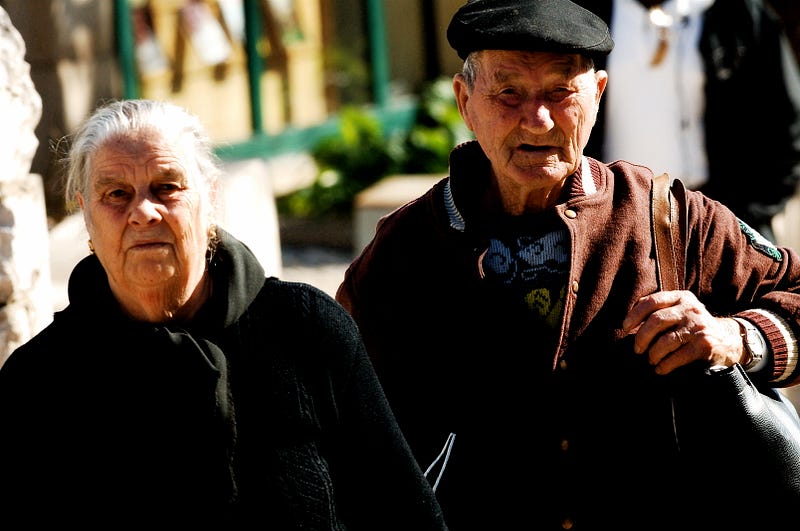
Change is definitely not easy for them. It’s not easy for Keath. Not easy for me.
You know the idiom, It is what it is? It’s a tongue-in-cheek way of saying, the present moment is complete, regardless of whether you like it or not, so you may as well stop working against it and accept it.
That saying used to make my skin bristle. My mother would say it, not in an accepting way, but in a sarcastic, blaming, feel-sorry-for-me way that made me want to scream: Open your eyes! Life is good! You just need to reframe. Zoom out. Look For the Good, no matter the bleak stories your mind makes up.
These are the exact words I’m telling myself today.
At this moment, I’m riding a merry-go-round and when it will stop, nobody knows. I’m holding on tight while the seatbelt sign shines red. I’m breathing deeply. I allow the pressure in my chest; the tightness in my throat. I write every day. I make love with my beloved. I eat. I sleep. I cry. I laugh. It is what it is and I’m learning to love the white-water-rapids ride.
This essay is in response to the Full Circle Writing Challenge put on by Ellie Jacobson over at Flint &Steel.
Check out this quality read by Nicholas Tarleton.
How about you, Vidya Sury, Collecting Smiles, Michele Maize (The Sober Vegan Yogi) Lisa S. Gerard, and Art Bram. Want to join the challenge and share your circular journeys?
Loving the stories on Medium? Reached your free quota? Click here and for $5 per month, you can read to your heart’s delight and support me as a writer.
If you’d like to subscribe to get more from me, just hit this button!


.jpg)