
Transforming Your Home into an Eco-Friendly Haven
Practical Steps to Reduce Your Environmental Footprint and Cultivate Sustainable Living
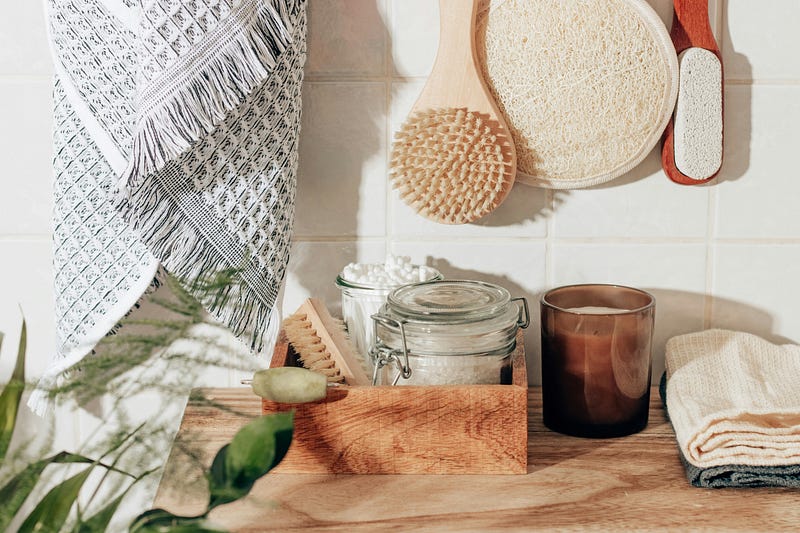
I’ve embarked on a transformative journey over the last few years — one that has not only improved my quality of life but also reduced my environmental footprint. Today, I want to share with you the green revolution I’ve embraced, offering practical steps and insights on how to turn your home into an eco-friendly haven. This is a journey towards a more sustainable and fulfilling life that benefits both you and our planet.
Redefining Green Living
Before I offer some practical steps though, I think it’s important to redefine what green living truly means. That is, in my view green living is not just about using energy-efficient light bulbs or recycling, but rather is a comprehensive lifestyle shift that encompasses all aspects of daily life. At its core, green living is about making conscious choices that prioritise environmental sustainability, human well-being, and ethical consumption.
Creating a Sustainable Home
- Energy Efficiency: Start by assessing your home’s energy usage. Invest in energy-efficient appliances, seal any drafts, and upgrade insulation. Installing a programmable thermostat and switching to LED lighting can lead to significant energy savings.
- Renewable Energy: Consider harnessing the power of renewable energy sources, such as solar panels or wind turbines. Generating clean energy at home not only reduces your carbon footprint but can also save you money in the long run.
- Water Conservation: Implement water-saving fixtures, like low-flow faucets and showerheads. Collect rainwater for garden irrigation and consider installing a greywater system to reuse household wastewater for non-potable purposes.
- Natural Materials: When renovating or furnishing your home, opt for eco-friendly materials. Choose sustainably sourced wood, recycled or upcycled furniture, and non-toxic paints and finishes. Natural materials like bamboo, cork, and reclaimed wood can add warmth and character to your space.
- Reduce, Reuse, Recycle: Embrace the three Rs as a way of life. Reduce waste by buying in bulk, choosing products with minimal packaging, and composting organic waste. Reuse items whenever possible, and make recycling a habit.
Green Landscaping and Gardening
- Native Plants: Incorporate native plants into your landscaping. They require less water, provide habitat for local wildlife, and promote biodiversity.
- Organic Gardening: Adopt organic gardening practices to nurture a thriving ecosystem in your garden. Avoid synthetic pesticides and fertilizers, use compost to enrich soil, and encourage beneficial insects.
- Permaculture Principles: Explore permaculture design principles to create a self-sustaining garden. Incorporate elements like raised beds, rain gardens, and companion planting to maximize productivity while minimizing maintenance.
- Wildlife Habitat: Transform your outdoor space into a haven for wildlife. Install bird feeders, bat houses, and bee-friendly plants to support local biodiversity.
Eco-Friendly Transportation
- Biking and Walking: Whenever possible, choose biking or walking as your mode of transportation. Not only does it reduce your carbon footprint, but it also promotes a healthier lifestyle.
- Carpooling and Public Transit: Carpool with friends or coworkers and utilize public transportation to reduce the number of vehicles on the road.
- Electric Vehicles (EVs): If feasible, consider switching to an electric vehicle. EVs produce zero tailpipe emissions and are becoming more accessible and affordable.
Mindful Consumption
- Reduce Single-Use Plastics: Minimize your use of single-use plastics by opting for reusable bags, containers, and water bottles. Reduce waste by buying in bulk and supporting businesses that prioritize sustainable packaging.
- Conscious Consumerism: Make informed choices when purchasing products. Support companies that prioritize sustainability, ethical practices, and fair trade. Consider the lifespan of items and invest in quality, durable goods that last.
- Reduce Meat Consumption: Reducing meat consumption, particularly red meat, can significantly lower your carbon footprint. Explore plant-based or flexitarian diets for a more sustainable approach to eating.
Cultivating Sustainability as a Way of Life
The green revolution, at its heart, is a mindset, alongside being a way of life. It’s about being mindful of the impact of your choices on the planet and future generations. As you embark on this journey towards eco-friendly living, remember that every small change counts and collectively creates a more sustainable world.
The path to sustainable living is a personal one, and it may require adjustments and sacrifices along the way. But the rewards are immense — a healthier environment, financial savings, and a deeper connection to the world around you.
Together, we can be champions of change, transforming our homes into eco-friendly havens that not only benefit us but also inspire others to join the green revolution.