
Transforming Retail Transactions: The Power of Blockchain in Point-of-Sale Systems
In the ever-evolving world of retail, staying ahead of the curve is essential. Traditional point-of-sale (POS) systems, while effective, come with their fair share of challenges, from security vulnerabilities to data integrity issues. However, there’s a game-changing solution on the horizon: blockchain technology. In this engaging blog post, we’ll explore how integrating blockchain into POS systems can revolutionize the retail landscape.
The Pitfalls of Traditional POS Systems:
Traditional POS systems have long been the backbone of retail operations, handling everything from sales transactions to inventory management. However, centralized databases pose significant risks, including data manipulation and susceptibility to cyber-attacks. Moreover, the involvement of intermediaries adds complexity and increases transaction costs, hindering efficiency.
Enter Blockchain Technology:
Blockchain technology offers a decentralized and secure alternative to traditional POS systems. By storing transactional data in a distributed network of blocks, blockchain ensures transparency, security, and immutability. Each block contains a cryptographic hash of the previous block, making data modification virtually impossible without altering the entire chain.
Smart Contracts: Automating Business Procedures
One of the key innovations enabled by blockchain is the introduction of smart contracts. These self-executing contracts automate business procedures, reducing the need for intermediaries and streamlining processes. Smart contracts can be programmed to enforce agreements, from payment processing to inventory management, with unparalleled accuracy and efficiency.
Enhancing Security and Transparency:
Recent studies analyzing cryptocurrency based Point-Of-Sale transactiopns indicate increased security compared to traditional mechanisms (Alexander, 2023). Blockchain’s decentralized architecture eliminates single points of failure, making the system more resilient against cyber-attacks and unauthorized access. The immutable nature of blockchain ensures that transaction records are tamper-proof, instilling trust and confidence in retail operations. Furthermore, real-time transparency into transactions fosters accountability and verifiability, benefiting both consumers and merchants.
Integrating Blockchain into Retail POS Systems:
Integrating blockchain into retail POS systems requires a deliberate shift towards a decentralized architecture. By moving away from centralized servers and embracing a distributed network of nodes, retail transactions become more secure and efficient. This transformation lays the groundwork for a transparent and resilient POS system, equipped to meet the demands of the digital age.
Empowering Consumers with Connecter Pay:
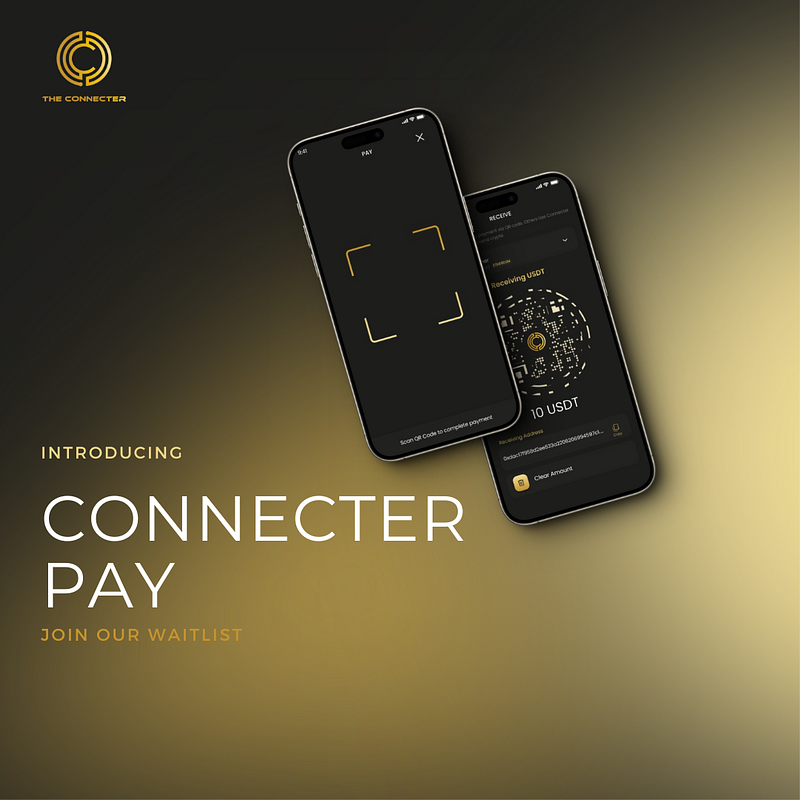
To further enhance the retail experience, Connecter Pay introduces a seamless payment solution for consumers. With the Connecter Pay app, anyone can scan a QR code to pay in-store using cryptocurrency. This innovative approach eliminates the need for traditional payment methods, offering consumers a convenient and secure way to transact.
The Future of Retail Transactions:
As we embrace the potential of blockchain technology in POS systems, we pave the way for a future where retail transactions are seamless, secure, and transparent. By leveraging the power of blockchain and innovative solutions like Connecter Pay, retailers can enhance customer trust, streamline operations, and stay ahead of the competition in an increasingly digital world.
In conclusion, blockchain technology holds immense promise for revolutionizing retail transactions. By addressing the security, transparency, and efficiency challenges of traditional POS systems, blockchain offers a transformative solution for retailers worldwide. As we embark on this journey towards a decentralized retail landscape, the possibilities are endless, and the future is bright.
References:
Alexander, T. (2023). Integrating Blockchain Technology into Traditional Point of Sale (POS) Software to Secure Transactions. Eng OA, 1(1), 01–11.