
Transforming Common Foods: DIY, Crafts, Home Remedies & Creative Projects
Get creative in the kitchen — discover unexpected uses for everyday ingredients beyond just eating them
Breathe new life into fruits, veggies, eggshells and pantry staples with unique applications like homemade beauty treatments, eco-friendly dyes, musical instruments and more.
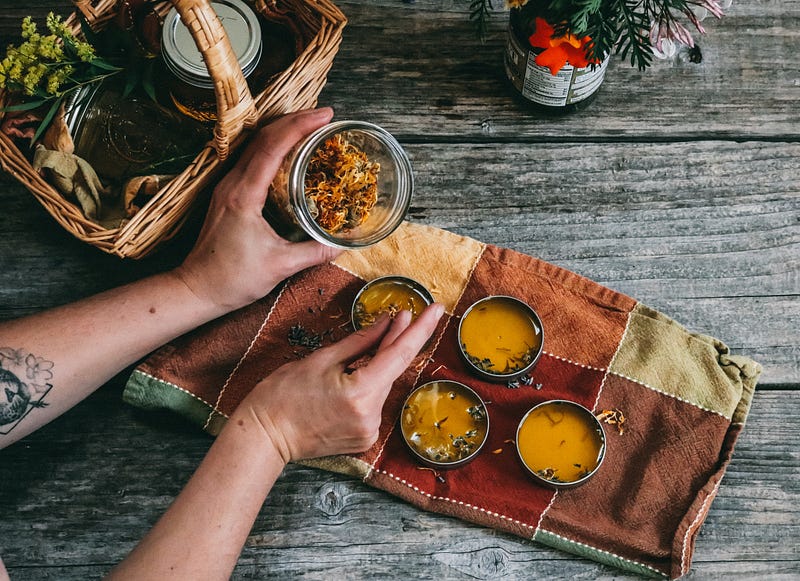
From facials and shampoos to arts and crafts, your kitchen is filled with ingredients that can be used for so much more than just eating. With a little creativity and imagination, you can transform ordinary fruits, vegetables, oils, herbs and spices into DIY projects, beauty treatments and household helpers. Read on to discover some unique ways to use pantry staples in new and innovative ways.
Fruits and Vegetables
DIY Musical Instruments
Turn your fruits and veggies into musical instruments! Cucumbers and carrots can become flutes. Celery stalks work as maracas. Stretch some rubber bands over a tissue box and place sliced bell peppers on top to make a guitar. You can even turn a watermelon into a drum. Get creative with what you have on hand and make your own edible orchestra.
Natural Dyes
Many fruits and vegetables contain pigments that can be used as fabric dyes. Boil berry juices, turmeric, beetroot, spinach and carrot peelings to produce a range of colorful dyes. They are all-natural, non-toxic and work on silk, wool and other natural fibers. Upcycle old clothing or try dyeing some napkins or dishtowels for an eco-friendly craft.
Fruit and Vegetable Stamps
For a fun art project with kids, create stamps using fruits and veggies. Cut potatoes, apples, carrots or peppers in half and carve out simple designs. Dip in paint and stamp away on paper to make beautiful prints. Older kids can try making more intricate carved stamps. Let the stamps dry after use to extend their lifespan.
Cleaning Pastes
Harness the cleaning power of lemons, oranges and other citrus fruits by mixing the peel and pulp into a thick paste. The natural acids help break down grime and leave surfaces sparkling clean without harsh chemicals. Alternatively, scrub pots and pans with a paste made from baking soda and water. The gentle abrasion lifts burned on food and restores cookware.
Herbs, Spices and Teas
Scented Bath Salts
Take your bath up a notch by making your own scented bath salts. All you need is Epsom salts, an essential oil of your choice like lavender, lemon or ginger, and a dash of dried herbs like rosemary or chamomile. Simply mix everything together and add to your bath water for an aromatherapeutic soak. Customize the blends to create different experiences.
Natural Dye for Easter Eggs
Forget artificial dye packets and make your own herbal dyes for Easter egg decorating instead. Boil onion skins, turmeric powder, blueberries, raspberries, red cabbage or spinach to produce vivid, plant-based dyes. Cool before dipping hard boiled eggs. Let them soak until the desired shade is reached. Kids will love seeing the eggs transform before their eyes.
Scented Candles
Make fragrant candles with leftover wax, essential oils and dried herbs. Melt plain wax cubes or old candle stubs in the microwave or a double boiler. Stir in a few drops of essential oils like lavender, eucalyptus, cinnamon or citrus and add a sprinkle of herbs for extra aroma. Pour into a heat safe container and place a wick in the center as it cools. Light and relax!
Natural Pest Deterrent
Whip up your own natural pest deterrent spray using essential oils and herbs. Simmer rosemary, thyme, lavender, citronella, peppermint or eucalyptus in water. Let cool completely, then strain and pour into a spray bottle. Mist around doorways, window sills and any other areas pests may enter. The strong scent will repel them without toxic chemicals. Reapply after it rains.
Oils and Vinegars
Homemade Vinaigrette
Make your own salad dressings and marinades using oil and vinegar as the base. Try pairing balsamic, red wine, rice wine or apple cider vinegar with olive, avocado, walnut or sesame oil. Add herbs, garlic, shallots, mustard and a touch of honey. Whisk together and drizzle over greens or use as a marinade for chicken, fish or veggies. Feel free to experiment with ingredients.
Rust Remover
Banish rust stains with white vinegar. The acetic acid breaks down rust, allowing it to be scrubbed away. Soak rusty tools, grill grates, nuts and bolts in undiluted white vinegar overnight, then scrub with a wire brush. For spots on clothing, place a towel underneath and dab vinegar directly on the stain before washing as usual. The rust will lift right off.
Make Herb-Infused Oils
Enhance the flavor of cooking oils by infusing them with herbs, garlic or chilies. Place your herbs of choice in a glass jar and cover completely with oil. Let it sit for 2 weeks, shaking occasionally, then strain out the solids. Use the infused oil to sauté veggies, fry eggs, dress salads or marinate meats. Popular flavor combos include basil, oregano and garlic or rosemary and chili flakes.
Wood Furniture Polish
Concoct your own furniture polish with olive or coconut oil and lemon juice. Combine the two ingredients in a 1:1 ratio and shake or whisk to emulsify. Apply a small amount to a clean, soft cloth and buff onto wood surfaces. The oil nourishes the wood while the acid in the lemon cuts through dirt and grime. Polish also works great on cutting boards and wooden kitchen tools.
Dairy Products
Soothing Facial Masks
Give your skin a dose of hydration with DIY facial masks made from yogurt, milk or cream. Plain yogurt mixed with honey makes an antioxidant-rich mask that soothes dry skin. For oily skin, whisk together milk and lemon juice and apply. Heavy cream blended with oats also works nicely as an exfoliating and softening treatment. Rinse off after 10–15 minutes.
Marble Painting
Make stunning abstract art using milk, food coloring and dish soap. Fill a plate with milk and add drops of food coloring. Dip a cotton swab in dish soap and swirl through the milk, creating psychedelic patterns as the colors mix and spread. For best results, use whole milk at room temperature. Place paper or canvas on top to transfer the design. Rinse immediately after use.
Unclog Drains
Baking soda and vinegar are great for unclogging drains, but dairy does the trick too. Pour 1/2 cup baking soda down the drain followed by 1 cup white vinegar. When the foaming stops, pour in 1/2 cup of milk and let it sit for 10 minutes before rinsing with hot water. The combined acidity of the vinegar and lactic acid in the milk dissolve gunk, hair and grease clogs.
Make Play Dough
Whip up a batch of homemade play dough using flour, cream of tartar, oil, food coloring and milk. Heat the dry ingredients together then add in the wet. Stir continuously until a dough forms. Let cool before kneading thoroughly to achieve the perfect play dough consistency. Add cookie cutters, rolling pins and imagination for sensory playtime. Store in an airtight container in the fridge.
Creative Ways to Use Eggshells
Seed Starters
Nurture your seedlings in an eggshell instead of a plastic pot. Gently rinse out the eggshell and allow to dry fully. Place soil inside the shell along with 1–2 seeds of your choice. Water lightly and set the mini planter in an egg carton. Once sprouted, crack the shell before transplanting the seedling into soil.
Natural Fertilizer
Eggshells are excellent fertilizer for houseplants and gardens. They provide calcium for plants as they break down. Rinse shells thoroughly and let dry completely before grinding into a fine powder. Mix shells into potting soil or sprinkle around the base of plants. For container gardens, add crushed shells to water when watering plants.
Gentle Scrub
Harness the abrasive texture of eggshells to exfoliate skin naturally. Rinse shells thoroughly and dry fully in a warm oven to sterilize. Grind into a fine powder using a clean coffee grinder or food processor. Store the powder in an airtight container. To use, mix 1 tbsp powder with a dollop of facial soap or shampoo and gently scrub skin or scalp. Rinse well after.
Feed Birds
Attract songbirds to your yard by offering eggshells. Crush washed, dried shells into small pieces and place in a feeder or simply scatter on the ground. Birds need calcium for their eggs, and the shells provide an easily accessible source. Chickadees, robins, thrushes and other backyard birds will appreciate the snack.
Creative Uses for Nut Shells
Seed Starters
Repurpose pistachio, walnut, almond and other hard nut shells as tiny biodegradable planters. Fill with soil and 1–2 small seeds and place in an egg carton until sprouted. The seedling roots will crack the shell when it’s ready for transplanting into the ground or a larger pot.
Potpourri
Add nut shells to your own custom potpourri blends. Their earthy aroma enhances other scents like dried flowers, spices, citrus peels and essential oils. Break shells into small pieces before mixing together. Place in bowls or sachets and set around the home for natural fragrance.
Crafts and Games
Incorporate nut shells into fun DIY crafts and games. Make picture frames decorated with shells or magical fairy houses using pistachio shells. Paint shells in bright colors for ornamental drawer knobs. Use larger shells as natural game pieces for checkers, chess or Mancala. Let kids make up their own shell games too.
Fire Starters
Start your campfire or fireplace quickly using homemade fire starters made from nut shells and wax. Melt old candles or plain wax and mix with a handful of crushed nut shells. Pour the mixture into an egg carton or ice cube tray. Insert a wick into each compartment if desired. Let cool completely before using to ignite logs, kindling or paper.
5 Unique Ways to Use Banana Peels
Fertilizer
Chop and bury dried banana peels around plants or blend into water to make “peel tea” for your garden. Bananas are packed with nutrients that provide plants a healthy boost as the peels decompose. Roses, tomatoes and peppers are especially responsive.
Shoe Polish
Buff up leather shoes using the oils and waxes naturally found in banana peels. Gently rub the inside of the peel over shoes in a circular motion. The lauric acid in peels conditions leather to a glossy shine without chemicals or mess. Rinse shoes with water afterward.
Teeth Whitener
Rub banana peel directly on teeth for a few minutes to naturally whiten and remove stains. Bananas contain enzymes that break down plaque residue. Use a soft toothbrush or your finger to gently scrub teeth with the stringy part of the peel. The minerals in the peel also strengthen tooth enamel.
Bug Bites and Splinters
Soothe irritation from bug bites, splinters and more using banana peel. Simply rub the soft inner part of the peel over the affected area for relief. Bananas have antiseptic and anti-inflammatory properties that reduce swelling, itching and pain. Try also rubbing on minor scrapes and burns.
Compost Accelerator
Speed up the composting process by burying peels in your compost pile. As banana peels break down, they add key nutrients that help break down other materials. The extra potassium and nitrogen get your compost cooking faster. Just be sure to bury peels well, or fruit flies may gather.
The kitchen is truly a treasure trove of ingredients that can be utilized in so many unconventional yet creative ways. With a dose of inspiration and willingness to experiment, you can discover countless handy, crafty and fun new uses for common food items.
FAQ about Using Food Creatively
Food can be used for far more than just eating. With some imagination, many ingredients waiting in your pantry can be repurposed in fun and innovative ways. Here are answers to some frequently asked questions:
Q. What are some creative ways to use fruits and vegetables besides eating them?
A. Some ideas include making dyes from berry juices or turmeric, carving stamps or musical instruments from veggies, and using citrus fruits to make homemade cleaning products. You can also turn produce into plant fertilizer.
Q. How can oils and vinegars be used creatively around the home?
A. Infuse oils with herbs and spices to elevate cooking. Mix oil and vinegar for salad dressings and marinades. Use white vinegar to clean and remove rust stains. Oil can be combined with lemon juice as a furniture polish or conditioned for wooden kitchen tools.
Q. What are some unusual uses for eggs and eggshells?
A. Make colorful marble art using milk and food coloring. Use eggshells as mini seed starters or grind them into a natural skin scrub. Crush shells to feed birds or add to potpourri. Craft dollhouses, picture frames or games from shells.
Q. Can herbs, spices and teas be utilized for non-cooking purposes?
A. Absolutely! Make scented bath products using dried herbs and essential oils. Create natural dyes for Easter eggs from turmeric, blueberries or raspberries. Mix herbs into candle wax for homemade aromatherapy candles. Brew strong herbal tea and use it to water plants.
Q. How can dairy products be used around the home?
A. Mix plain yogurt, milk or cream with other ingredients to make soothing facial masks. Use milk and food coloring for tie-dye style marble paintings. Unclog drains with the combined acids of baking soda, vinegar and milk. Make play dough from flour, cream of tartar, oil and milk.
🌟👏 Boost Your Productivity with Cutting-Edge Computing! Buy New Or Used Laptops & Netbooks On EBAY ✨😊
Affiliate links was used in article. claude help with this article.
Purchases via my affiliate link support further informative content.