
Transform Your Travel Blog With Inspiring and Diverse Content
How to repurpose a single trip into different angles, using Lisbon as an example
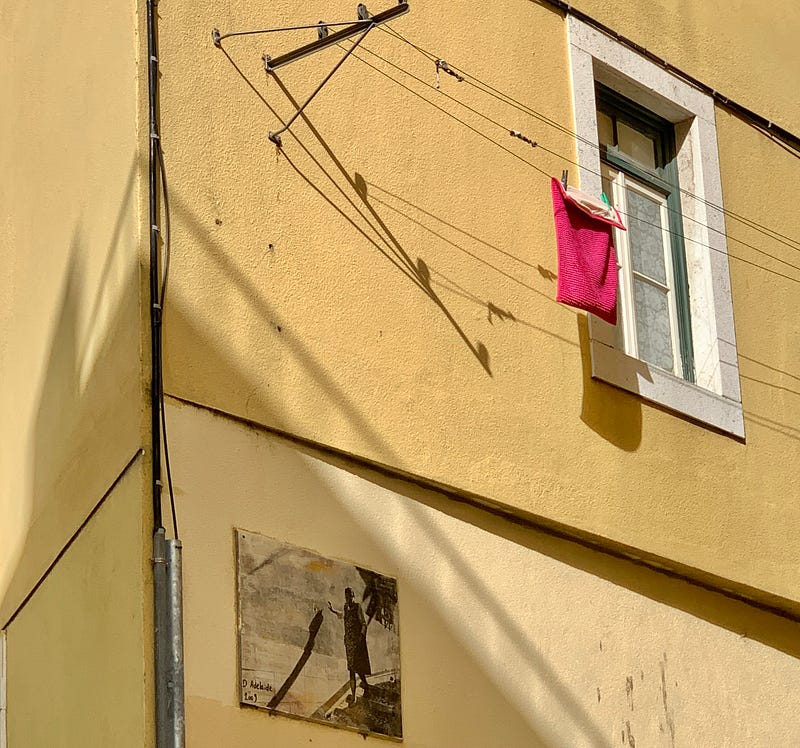
Writing a personal travel blog is rewarding for several reasons. The joy of sharing experiences, the chance to relive the trip as you perfect your writing craft — these are all worthwhile. A travel blog is also a good way to keep in touch with those back home. And publishing your experiences encourages you to observe everything more carefully, heightening your observations.
It’s easy to produce a single diary-style blog post from a trip. But if you want to gain a wider audience, it pays to dig a little deeper into a niche or two and produce something different from the usual repetitive posts. The added benefit? You could get as many as three to five posts out of a single trip.
The secret lies in repurposing your experience into different angles. It’s not repetitive because each post has a different purpose. That purpose lies somewhere on the scale between answering readers’ questions and piquing their interests.
By using an example of a trip to Lisbon in Portugal, you’ll see how a typical blog post of around 600 words could turn into two, three, four, or even five posts. And none of them would repeat the same old material that’s already put out there.
Be helpful with a how-to
Travellers often search the web for practical advice before or during a trip, so the first step is to think about what you learned that was useful. Did you cast off your anxiety and master the metro?
Many readers would appreciate a post on how to get to grips with an unfamiliar transport system. You could incorporate descriptions of destinations to extend it beyond the practical.
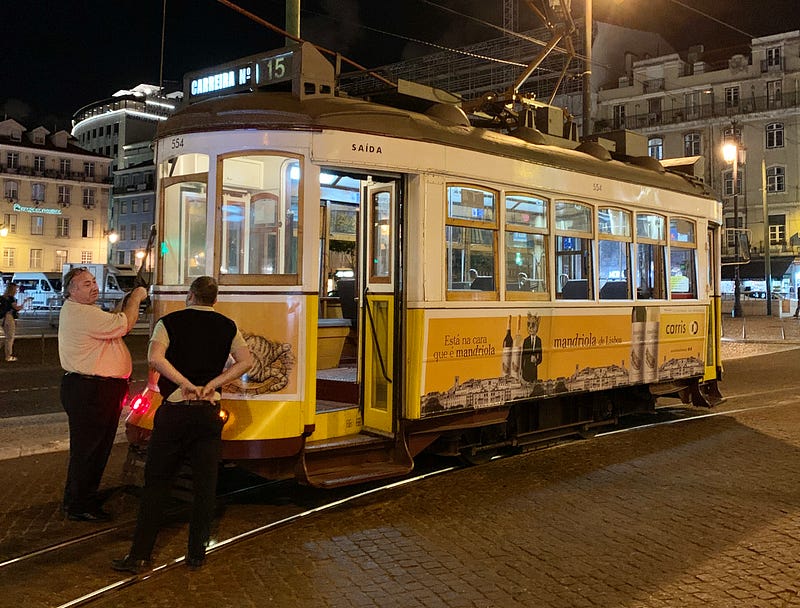
Lisbon, for example, doesn’t just have a metro; it has local trains to the beaches of Cascais and the wooded Sintra hills. It also has some clanking yellow trams with 1930s wooden interiors that many tourists waste half a day queuing to ride — specifically the #28 tram. Why not spend the time riding alternative tram routes, and write an entire post about what you saw through the window?
Feed the foodie
Almost everyone’s a foodie these days, so you have a captive audience. But don’t bother with a random collection of food reviews. Instead, narrow your focus. Does the city have regional or ethnic specialities? Lisbon’s African connections have spawned a range of Mozambican eateries, especially in the Mouraria community.
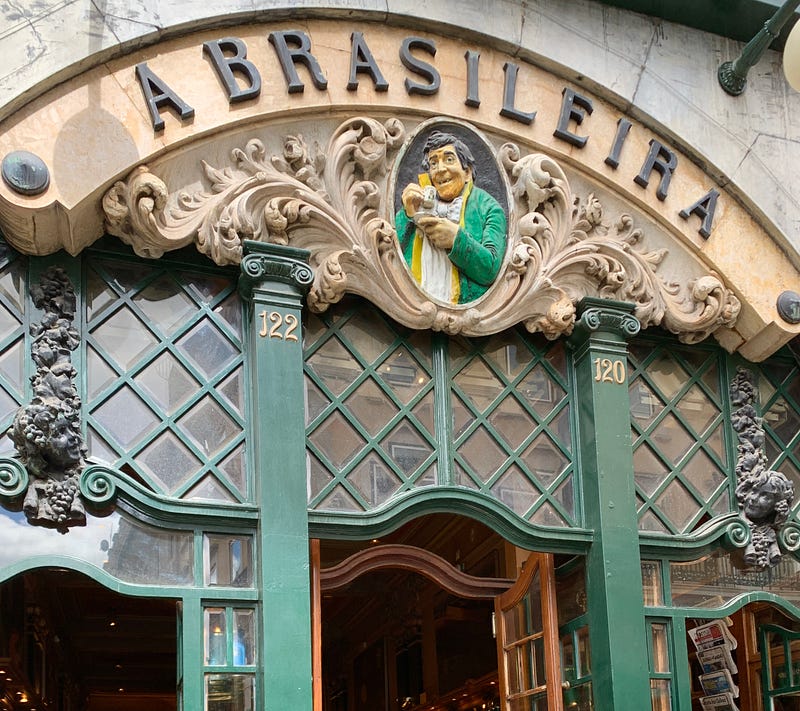
And there’s always coffee. If your day includes at least one caffeine-fuelled stop, why not seek out single-origin serveries or historic coffee houses? If writing a review-style blog, ensure you balance out your opinion with a description of the coffee and the venue. And don’t forget people. What kind of crowd does each place attract?
Describe cultural experiences
The cultural angle is broad, giving plenty of scope to follow your interests. One focus could be a run-down of the different museums, especially if you uncover something unique.
Visitors to Lisbon often seek out Fado venues (Fado is a mournful, centuries-old singing style), but not everyone is aware that the city has a Fado museum. It’s a real sensory experience, and nothing like a traditional museum.
Like many cities, Lisbon comprises distinct neighbourhoods. It’s all too easy to write an article with a paragraph summarising each one, but why not focus on one neighbourhood in-depth?
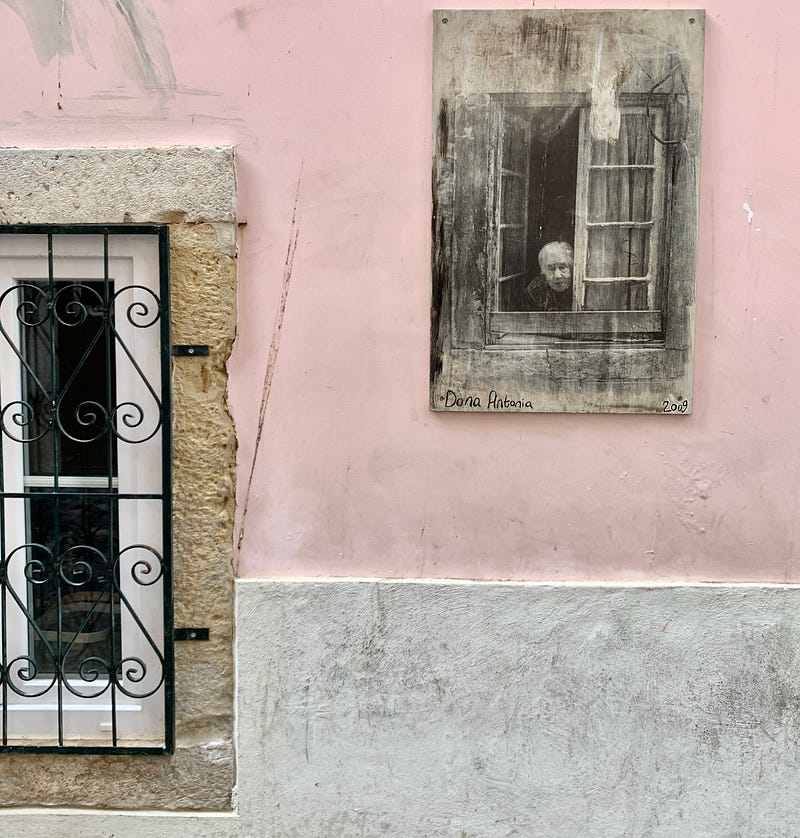
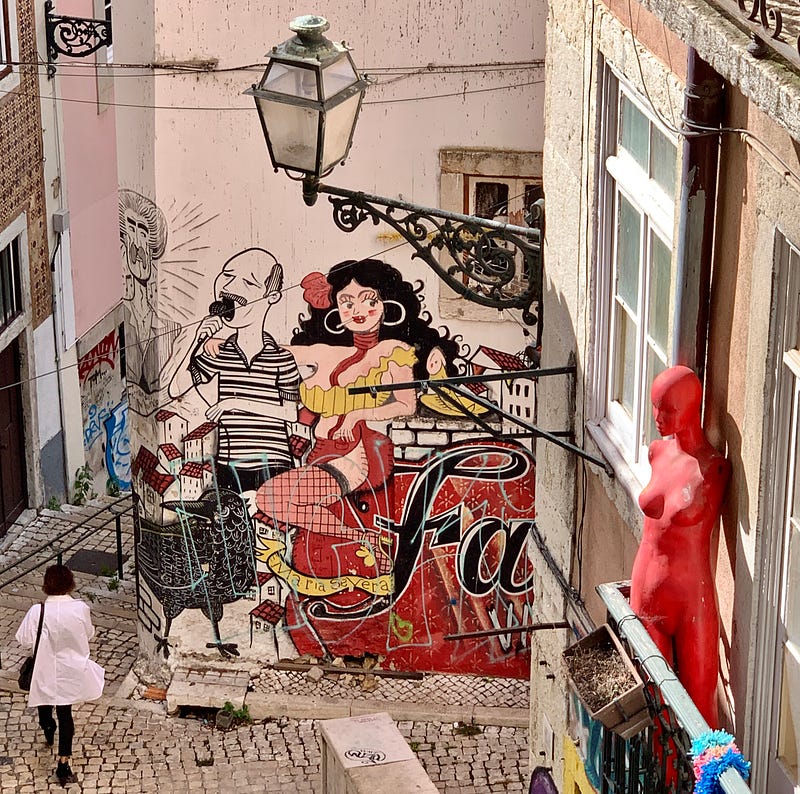
Time spent among the narrow cobbles of Lisbon’s Mouraria, for example, is a feast for the senses thanks to its cultural mix and street art by local photographer Camilla Watson. Camilla’s images of long-standing residents adorn the walls of backstreets where African and Arabic eateries flourish on every corner. Of course this is something unique to Lisbon, but you could observe the finer details in any multicultural city. Use them as snippets to weave into an article with a deep sense of contrast.
Inspire with a personal connection
A personal quest brings an intriguing theme to a travel post. Think of this as unwrapping an unfamiliar place and conveying your unique experience in a relatable way. My Lisbon isn’t yours, is it? Perhaps there’s a particular artifact or food you want to locate.
If nothing comes to mind before the trip, try reverse-engineering it on your return. What encounter — something that captures the essence of the place — seared your memory? What did you experience that few others would write about?
Taking Lisbon as inspiration again, perhaps you finally forced yourself to eat grilled sardines, or you conquered a fear of heights by riding the clunky street elevator. Find your passion or your fear and write about it. It doesn’t matter if your readers don’t share that passion (they probably won’t). But you may inspire them to seek their own.
Do the unthinkable and miss-out the must-sees
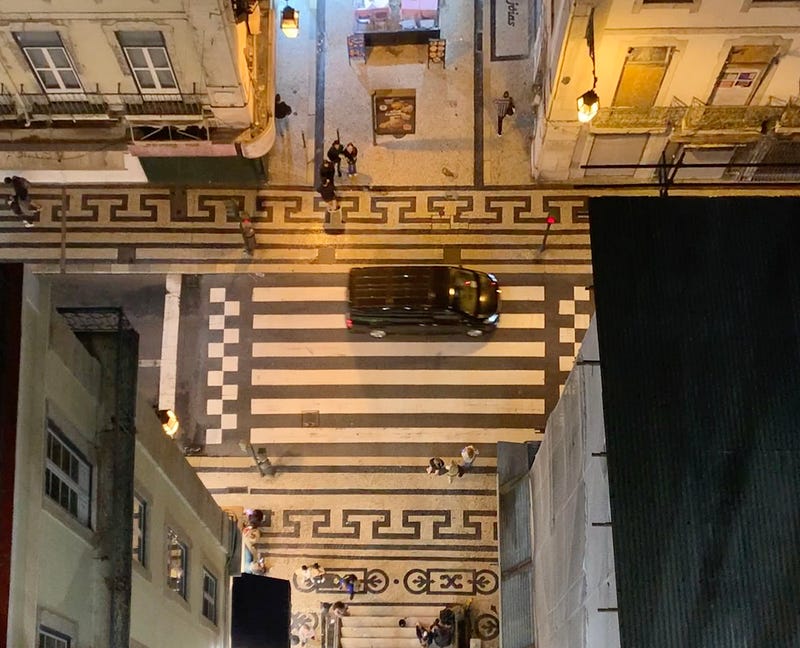
Ticking off the city’s must-sees undoubtedly brings a sense of achievement. But how liberating would it be to throw off the plan and just walk, observing the city from the backstreets?
It’s not as crazy as it sounds. The French have a name for this aimless wandering, the art of flânerie. The flâneur is a strolling observer of city life who wanders, loiters, and explores, observing people and places. Could your observations inspire a unique blog post?
Keep it for a day when you plan nothing; just wander, observing what you’d normally miss. Use a camera to capture details for later, when you bring the city to life. The shirt pegged upside-down from a rope strung between shutters; a young woman carrying a metal coffee pot into a dimly lit workshop… these are all unexpected aspects that you can weave into your article and make it a one-off.
Whether you’re writing a leisure blog for friends or a more serious purpose to showcase your writing, focus on adding value for your readers. By going deep, you can ‘mine’ a single trip for various themes that are informative, entertaining, and hopefully inspirational.


