
Toyota CEO: This New Engine Will Destroy the Entire EV Industry!
The Dawn of a New Era in Automotive Technology: Toyota’s Revolutionary Water-Powered Engine
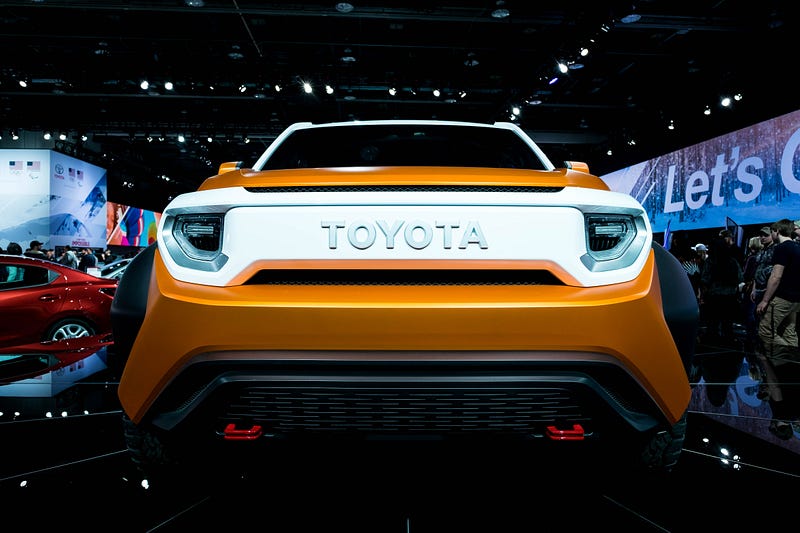
The landscape of the automotive industry is poised for a historic transformation with Toyota’s introduction of a water-powered engine, a technology that could revolutionize our approach to eco-friendly transportation and potentially eclipse the current Electric Vehicle (EV) market.
Also, to read:
Innovation by Toyota
Toyota’s new engine leverages the principles of waterpower, a concept that has long been an aspirational goal in automotive engineering. Unlike traditional engines or EVs, Toyota’s engine operates on a principle akin to the HHO generator but is uniquely tailored for vehicular use.
It processes water to extract hydrogen, which then powers the engine.
This method eliminates the need for heavy, high-pressure storage tanks as used in Fuel Cell Electric Vehicles (FCEVs) and hydrogen combustion engines.
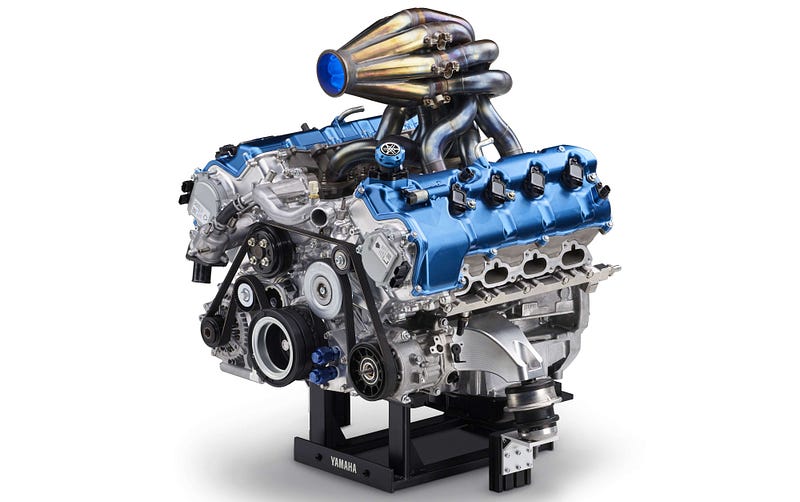
How Does the Water Engine Work?
The essence of Toyota’s water engine lies in its innovative approach to fuel utilization. The engine uses the process of electrolysis to break down water into its constituent elements — hydrogen and oxygen.
This process, initiated by high-voltage electrodes within the water tank, liberates hydrogen to be used as fuel.
This method negates the need for heavy and complex storage systems, a notable advantage over conventional Fuel Cell Electric Vehicles (FCEVs) and hydrogen internal combustion engines.
Benefits:
- Environmental: The water engine is almost zero-emission, surpassing the eco-friendliness of both conventional engines and EVs. It eliminates the need for oil extraction and the mining of rare metals, which are environmentally damaging processes associated with current automotive manufacturing. Furthermore, water engines are superior to hydrogen combustion engines and FCEVs in terms of storage convenience and environmental impact.
- Economic: Toyota’s water engine promises significant economic benefits. It is more cost-effective than both gasoline and electric vehicles, potentially achieving high mileage per gallon of water. The technology is also safer, avoiding the risks associated with storing highly combustible fuels. Additionally, the simplicity of its mechanical design suggests ease of production and maintenance.
- Social Impact: The introduction of water engines could have far-reaching socio-economic implications. In regions with limited access to oil or underdeveloped infrastructure for electric vehicles, water engines could offer a viable, sustainable alternative. This technology could democratize access to eco-friendly transportation, providing a boost to economies and enhancing global efforts towards sustainable living.
Challenges
Despite its potential, the water engine technology faces several hurdles.
- Past attempts at water-powered engines have struggled with reliability and daily usability. However, a functional water engine has been built by an Iranian scientist Aladeen Kasemi, who successfully converted a Peugeot 405 to run on water. This demonstrates that with proper funding and development, water engines could be a viable alternative to traditional fuel sources.
- Safety concerns due to hydrogen’s volatility also pose significant challenges. Building on the legacy of their hydrogen-powered vehicles like the Mirai and the 1.6 hydrogen 3-cylinder engine, Toyota is taking a bold step forward. This engine isn’t just another iteration of existing technology but a radical departure towards a more sustainable future.
- Moreover, the potential disruption to the oil and battery industries could lead to resistance from these sectors. The advent of Toyota’s water-powered engine presents a significant disruption to two major pillars of the global economy: the oil and battery industries. These sectors have been foundational to the automotive industry for decades, and a shift towards water-powered technology represents a fundamental threat to their established market dominance.
Final Thoughts
Toyota’s water engine could signify the beginning of a new chapter in automotive history, one where sustainability and practicality coexist.
However, the journey to this future is complex and requires overcoming significant technical, safety, and market-driven challenges. The global automotive community will be keenly observing Toyota’s progress, hopeful yet cautious about the transformative potential of water-powered engines.
In conclusion, Toyota’s venture into water-powered engines is a bold and ambitious stride towards a greener and more sustainable future. Its success could redefine the automotive industry, but the path to this revolution is laden with obstacles that need careful navigation. The promise is clear, but the journey is just beginning.


